
 Children’s Day: Nigeria’s shared responsibility for nation building through child welfare and investment
KillBait - News highlights delivered clearly and responsibly—no clickbait, no sensationalism
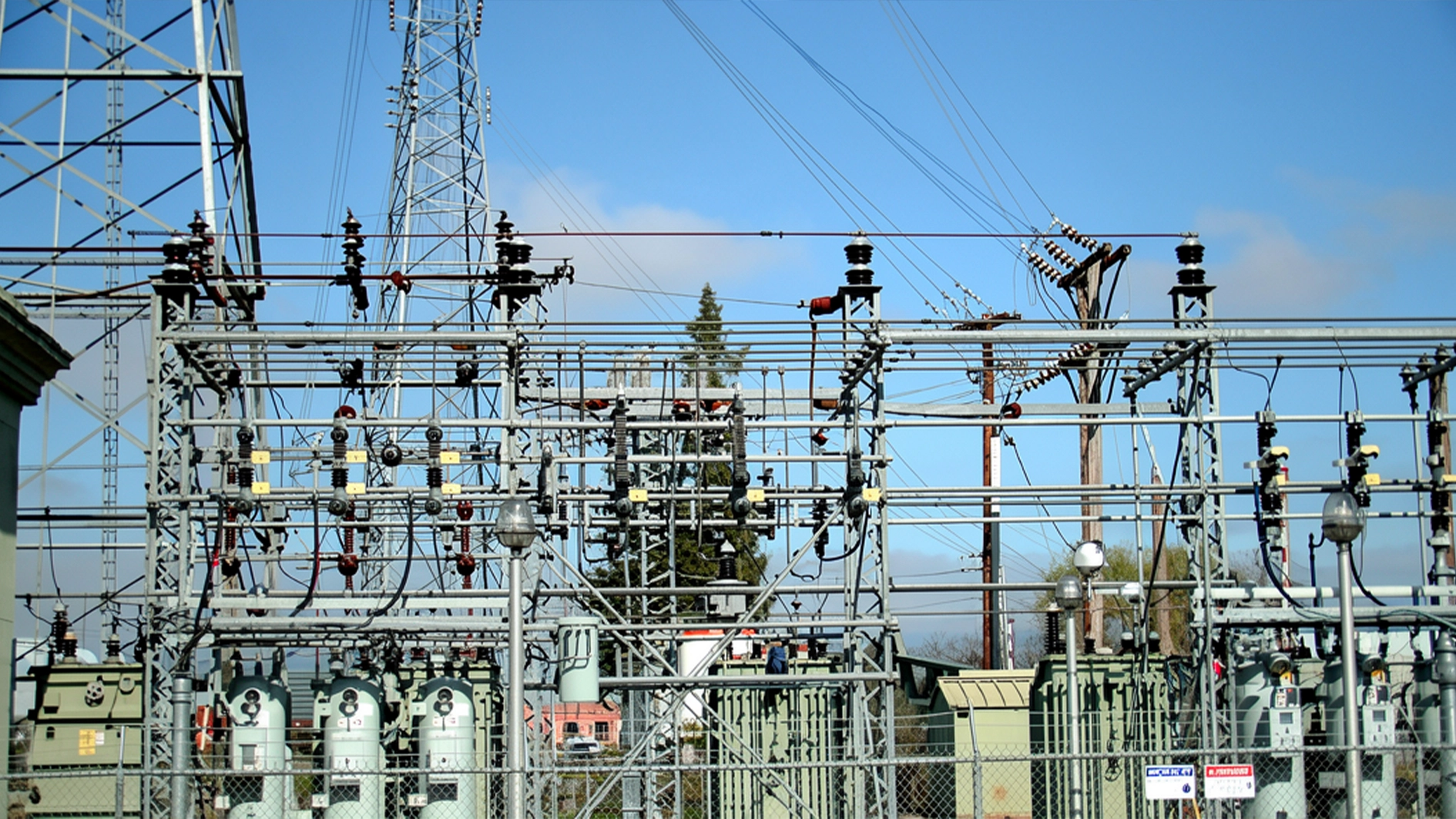
Photo: The Guardian Nigeria News - Nigeria and World News
2026-05-29 03:06 Opinion 11 


How Infrastructure Vandalism Is Undermining Nigeria’s Power Sector and Economy
The article examines the growing problem of infrastructure vandalism in Nigeria’s electricity sector and how it is seriously affecting national development.
It explains that acts such as stealing electricity cables, destroying transmission towers, and damaging underground power infrastructure are not just isolated crimes but major economic sabotage.
In 2025 alone, multiple transmission towers were deliberately brought down across different regions including Shiroro, Kaduna, Port Harcourt, and Benin, with billions of naira lost in replacement costs.Underground cables in Abuja were also repeatedly attacked, adding further financial pressure on the power system.Beyond the direct repair costs, the article highlights the wider economic damage caused by constant power disruptions.Using standard economic estimates, Nigeria reportedly loses about ₦15 billion daily in productivity due to unreliable electricity supply.
This affects factories, hospitals, small businesses, and households that are forced to depend on expensive generators, increasing operational costs and reducing competitiveness.
The piece also discusses the root causes of vandalism, pointing to poverty, unemployment, and a poorly regulated scrap metal market that allows stolen materials to be easily sold.It further notes that some attacks are organised or politically motivated, worsening the instability of the national grid.
The consequences extend beyond immediate damage, as investors lose confidence in the power sector and tariffs increase to cover repair and operational losses.
To address the issue, the article suggests stronger enforcement of laws under the Electricity Act 2023, better surveillance using modern technology like drones and sensors, stricter regulation of scrap metal dealers, and more community involvement in protecting infrastructure.It also stresses the need for economic empowerment in vulnerable areas to reduce incentives for vandalism.
Ultimately, it argues that Nigeria cannot achieve industrial growth or attract meaningful investment if its power infrastructure continues to be destroyed.
Full reading at The Guardian Nigeria News - Nigeria and World News
2209
Original title: Why Are We Vandalising Our Own Future?
The AI system has determined that this news is not clickbait/sensationalist: : The original title is rhetorical and reflective rather than sensational or exaggerated. It raises a serious policy and societal issue without using shock tactics or misleading framing, so it is not clickbait. This has coincided with the opinion of the majority of users.
You may also be interested in...
Children’s Day: Nigeria’s shared responsibility for nation building through child welfare and investment
 Review of Zayd Ibn Isah’s ‘The Nigerian Spirit Is Special’ and reflections on Nigerian identity
 Africa Day 2026: Recalling Nigeria’s Pan-African Role and Responsibilities