
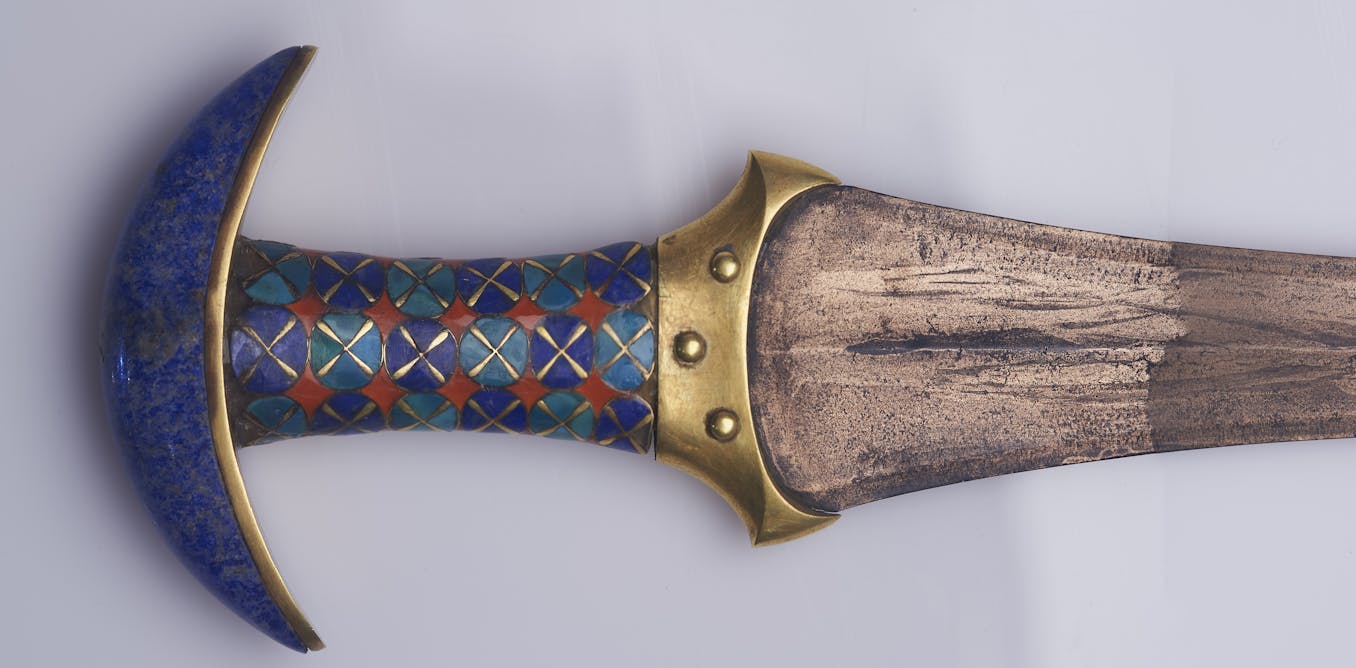
 Ancient Egyptian royal women's skeletal evidence suggests weapon use in daily life
KillBait - News highlights delivered clearly and responsibly—no clickbait, no sensationalism
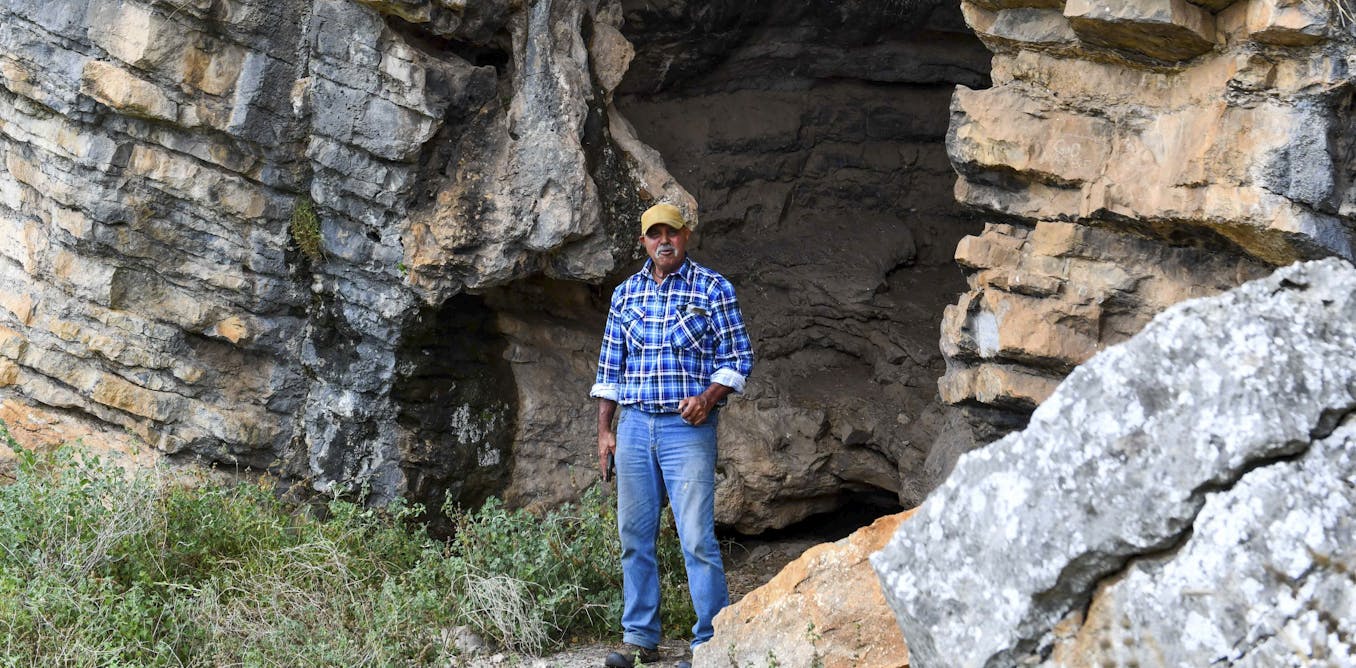
Photo: The Conversation
2026-07-22 10:29 Archeology 10


Ancient rituals uncovered through phytoliths in Victorian cave
A groundbreaking study has revealed how microscopic plant remains, known as phytoliths, have provided insight into the spiritual practices of the GunaiKurnai people over 25,000 years.
Researchers discovered thousands of these silica-based plant structures preserved in Cloggs Cave near Buchan, Victoria, which were carried there by humans or animals and left behind after fires.
The phytoliths, found in ash layers dating back millennia, indicate that the cave was used for secluded rituals involving burning grasses, breaking stalactites, and erecting stone markers.
These findings, published in Frontiers in Environmental Archaeology, highlight the deep connection between Indigenous communities and their ancestral lands.
Collaborative efforts with local Aboriginal groups have helped interpret these ancient practices, which included ceremonies like the jeraeil initiation, where individuals were smeared with ash for healing or protective magic.
The study underscores the importance of preserving cultural knowledge alongside scientific research, offering a unique window into how Indigenous Australians managed and revered their environment through time.
Full reading at The Conversation
2187
Original title: Microscopic plant remains reveal 25,000 years of GunaiKurnai rituals deep in a Victorian cave
The AI system has determined that this news is not clickbait/sensationalist: : The original title is informative rather than sensationalist, accurately reflecting the scientific discovery without exaggeration. This has coincided with the opinion of the majority of users.
You may also be interested in...
Ancient Egyptian royal women's skeletal evidence suggests weapon use in daily life
 Unifying the Sea Peoples: Tracing the Bronze Age collapse through ancient texts and archaeology
 Cristo Fernandez makes USL Championship debut after Ted Lasso role