
 Rising Consumer Insolvencies in Canada Push More People to Seek Debt Relief Support
KillBait - News highlights delivered clearly and responsibly—no clickbait, no sensationalism
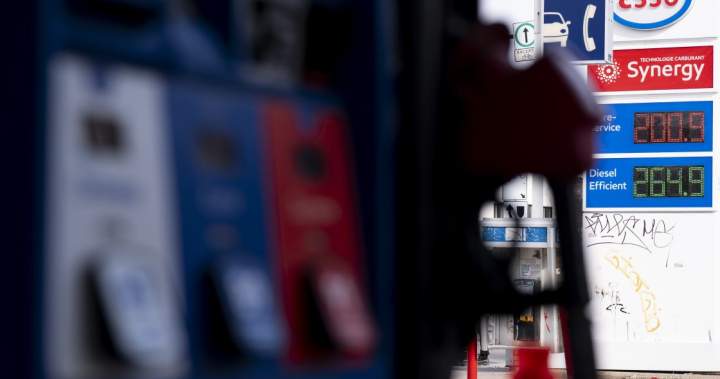
Photo: Global News
2026-05-19 20:03 Economy 13 


April Inflation Rises to 2.8% Driven by Higher Gas Prices
Statistics Canada reports that consumer inflation in Canada increased to 2.8 per cent in April 2026, up from 2.4 per cent in March compared to the same period last year.
The primary factor behind this increase is a sharp rise in gas prices, influenced by global oil market uncertainties linked to the ongoing conflict in Iran and the closure of the Strait of Hormuz.Canadian consumers are feeling the impact as gas prices near historic highs.
The higher inflation rate falls within the Bank of Canada's target range of one to three per cent but could increase pressure on the central bank to adjust interest rates in the coming months.The report comes amid broader economic changes, including shifts in consumer spending on alcohol and food following settlements and market trends.
This rise in inflation highlights the sensitivity of the Canadian economy to global events and energy costs, with implications for household budgets and monetary policy.Analysts will be closely monitoring future CPI reports to gauge whether inflationary pressures will persist or ease in the second half of 2026.
2243
Original title: Higher gas prices pushed inflation up to 2.8% in April, says StatCan
The AI system has determined that this news is not clickbait/sensationalist: : The original title accurately reflects the main point of the article without exaggeration or sensationalist language, so it is not considered clickbait. This has coincided with the opinion of the majority of users.
You may also be interested in...
Rising Consumer Insolvencies in Canada Push More People to Seek Debt Relief Support
 Canadian Retail Sales Rise Mostly Due to Price Increases, Not Stronger Consumer Spending
 Rising Beef Prices Impact Summer BBQs in Canada