
 Rising Consumer Insolvencies in Canada Push More People to Seek Debt Relief Support
KillBait - News highlights delivered clearly and responsibly—no clickbait, no sensationalism
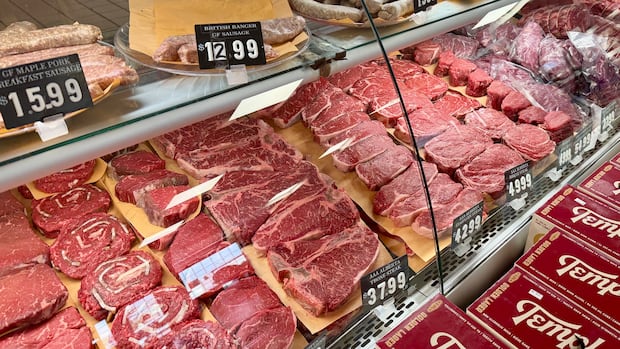
Photo: CBC
2026-05-22 20:25 Economy 10 


Rising Beef Prices Impact Summer BBQs in Canada
As Canadians prepare for summer barbecues, beef prices remain significantly higher than previous years, with costs up 62.6 per cent since 2021.The increase is largely due to several years of drought across Canada, the United States, and Mexico, which forced ranchers to reduce their cattle herds.Rising production costs, including higher prices for feed, fuel, and fertilizer, have also contributed to the price hike.
Despite the rising costs, consumer demand for beef remains strong, with many Canadians continuing to purchase hamburgers and steaks, although some are opting for more affordable cuts like brisket, chuck roast, and tri-tip.Early signs indicate the Canadian cattle herd is beginning to recover, with a 2.5 per cent increase in the number of cattle and calves recorded in 2026.However, it will take two to three years for these animals to reach the market, so grocery store prices are unlikely to drop immediately.
Weather conditions and high feed costs continue to challenge ranchers, with some choosing to liquidate their herds while others attempt to expand operations despite rising expenses.Imports from both Canada and the U.S.help supplement supply, but experts predict that beef prices will remain stable at current high levels for the foreseeable future.
2186
Original title: Grilling pains: Why your BBQ may cost more this summer
The AI system has determined that this news is clickbait/sensationalist: : The original title uses an attention-grabbing phrase 'Grilling pains' and 'may cost more' which exaggerates the impact to create urgency, rather than straightforwardly stating that beef prices are rising. This has coincided with the opinion of the majority of users.
You may also be interested in...
Rising Consumer Insolvencies in Canada Push More People to Seek Debt Relief Support
 CMHC report links Canada’s slower housing supply growth to higher home prices compared with the U.S.
 Bank of Canada Highlights Growing Economic and Geopolitical Risks to Financial Stability