
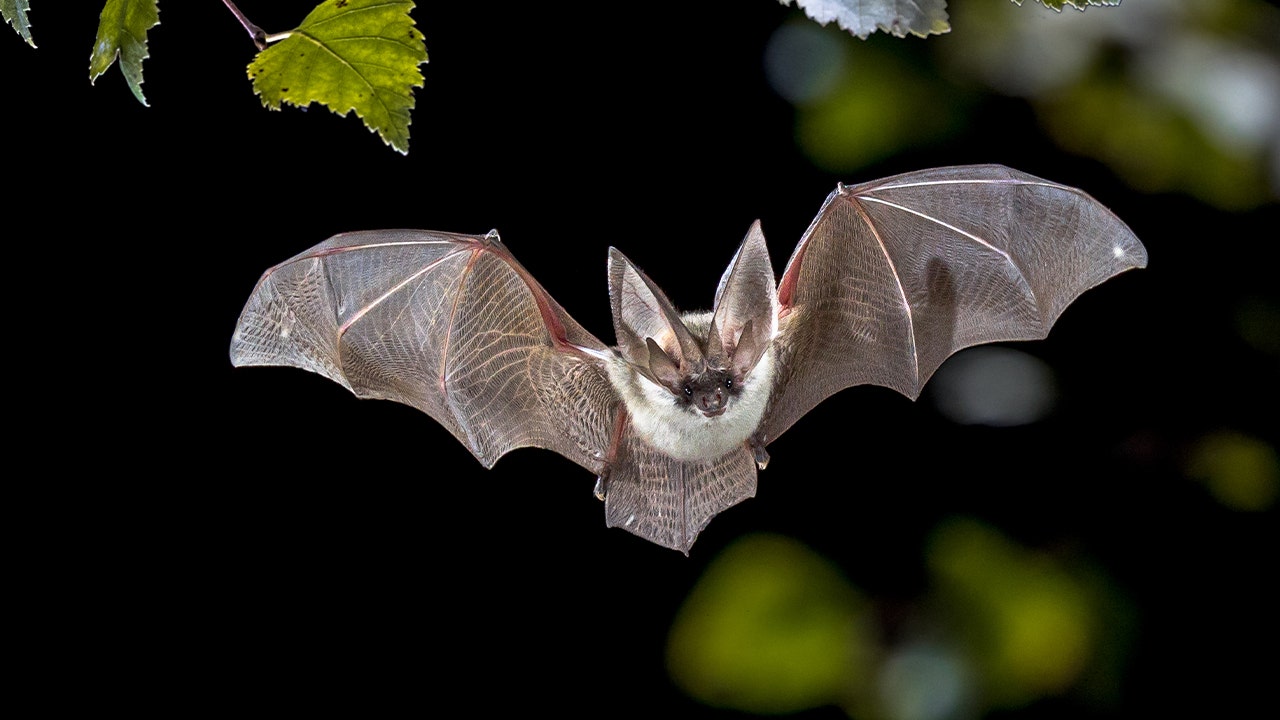
 Rabid bat found near sidewalk prompts public health warning in Fremont, California
KillBait - News highlights delivered clearly and responsibly—no clickbait, no sensationalism

Photo: nuclear-news
2026-05-24 09:05 Health 15 


Article Highlights Research Linking Low-Dose Radiation Exposure in Children to Increased Cancer Risk
The article discusses concerns about the health effects of low-dose ionizing radiation exposure in children, particularly in relation to medical imaging and emissions from nuclear facilities.
It cites comments by philosopher and risk analyst Kristin Shrader-Frechette, who references recent findings from university physicians indicating that radiation doses as low as 1 to 5 millisieverts may lead to a small but statistically significant increase in cancer risk among children.A millisievert is a measurement used to estimate the biological impact of radiation on human tissue.
According to the article, millions of children in the United States receive X-rays and other imaging procedures every year, raising questions about the cumulative effects of even low levels of exposure.
The article also compares these medical radiation levels with the annual public radiation exposure limits allowed for nuclear facilities in the United States, which are stated to range between 1 and 5 millisieverts.
It argues that if these levels are associated with increased cancer risks in medical settings, similar concerns may apply to populations living near nuclear reactors.The report further claims that more than 70 percent of U.S.reactors have released radioactivity exceeding health standards at some point, leading the author to question whether nearby populations should undergo health monitoring or radiation-related testing.
The piece references a May 2026 article published by the Bulletin of the Atomic Scientists and frames the issue within broader debates over nuclear safety, public health oversight, and long-term radiation exposure risks.
2274
Original title: Very low doses of ionising radiation statistically still give children increased cancer risk
The AI system has determined that this news is not clickbait/sensationalist: : The original title directly reflects the main subject of the article and does not rely on exaggerated or misleading language. While it emphasizes health risks, it accurately summarizes the reported findings about low-dose radiation exposure and cancer risk in children. This has coincided with the opinion of the majority of users.
You may also be interested in...
Rabid bat found near sidewalk prompts public health warning in Fremont, California
 Study suggests melatonin may enhance DNA repair in night shift workers
 Yoga Helps Improve Mood, Fatigue, and Sleep in Cancer Survivors, Study Finds