
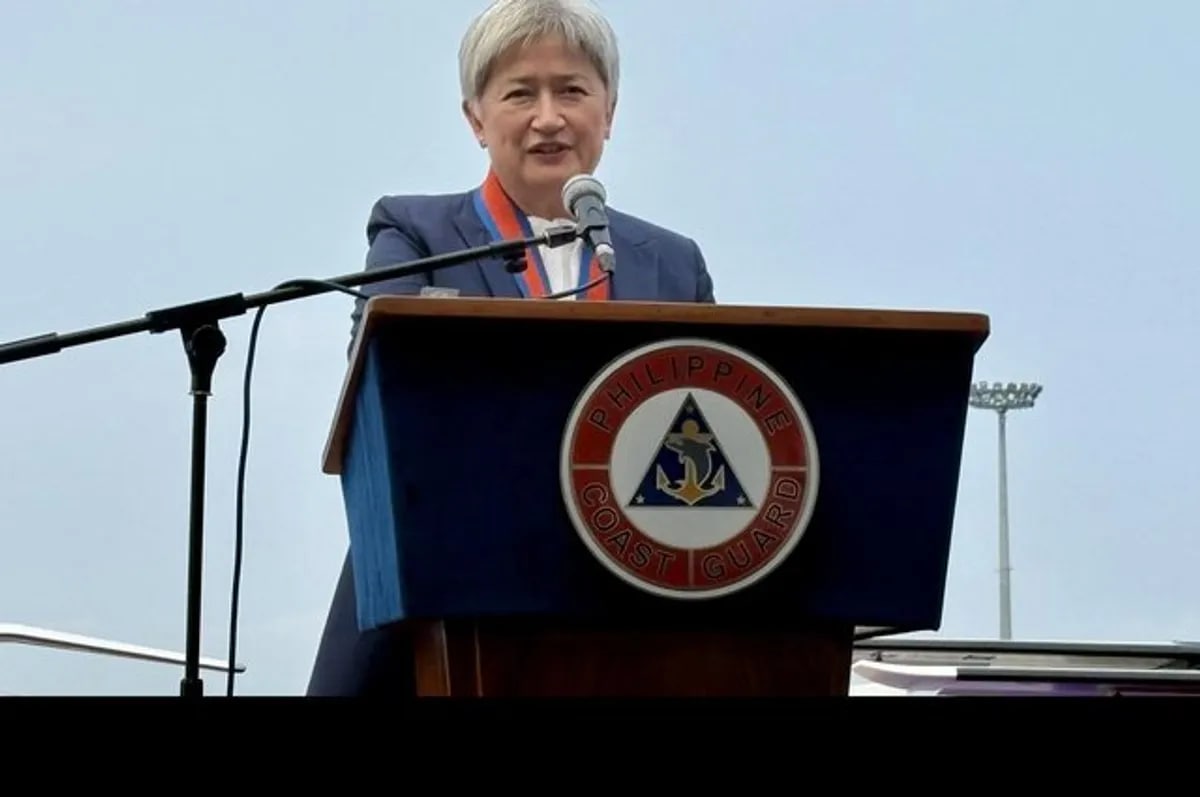
 Australia and Philippines Strengthen Maritime Cooperation Amid China's South China Sea Activities
KillBait - News highlights delivered clearly and responsibly—no clickbait, no sensationalism
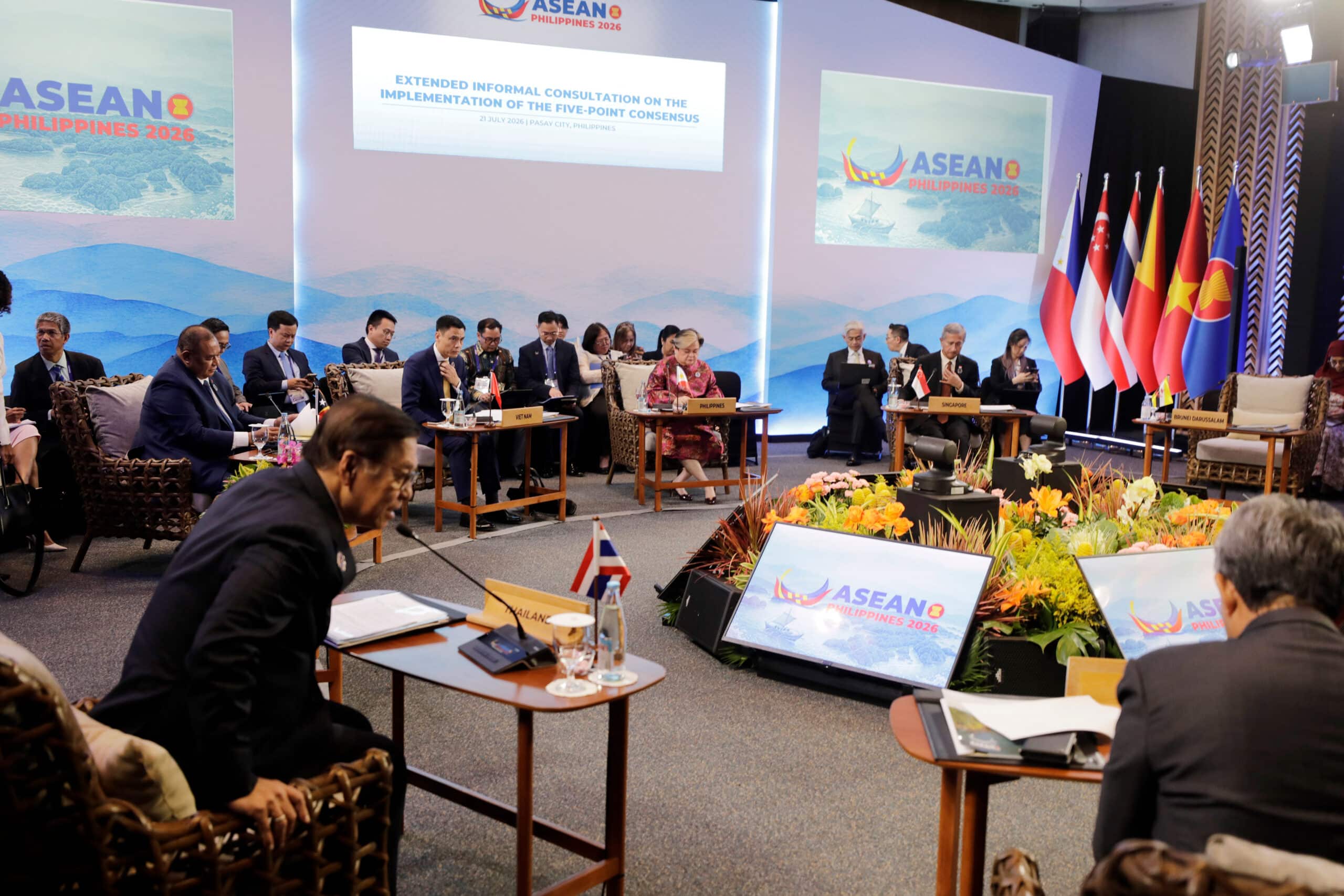
Photo: Inquirer.net
2026-07-22 03:46 Geopolitics 10


Asean meeting faces South China Sea tensions as US and China clash
The South China Sea rivalry between the United States and China threatens to overshadow the Association of Southeast Asian Nations (Asean) meeting, according to recent developments.
US Secretary of State Marco Rubio condemned China's actions in the contested waterway, highlighting concerns over freedom of navigation and regional security.
The clash occurred at Second Thomas Shoal, where Philippine and Chinese sailors engaged in a confrontation, raising doubts about the feasibility of a code of conduct between Asean and China.Meanwhile, the Philippines faces an energy crisis, prompting purchases of oil from Russia amid geopolitical tensions.The Asean summit in Manila also addresses the reintegration of Myanmar, a member state excluded from the summit due to its military junta.
Thai Foreign Minister Sihasak Phuangketkeow emphasized the need for realistic progress in resolving Myanmar's civil war, while other Asean states remain cautious.The article underscores the complex interplay of geopolitics, economic dependencies, and regional security challenges in Southeast Asia.
2186
Original title: South China Sea rivalry looms over Asean meeting
The AI system has determined that this news is not clickbait/sensationalist: : The original title is informative but not overly sensationalized, focusing on the geopolitical tension rather than exaggerated claims. This has coincided with the opinion of the majority of users.
You may also be interested in...
Australia and Philippines Strengthen Maritime Cooperation Amid China's South China Sea Activities
 Philippines denounces AI-generated video falsely portraying Filipinos as monkeys in South China Sea dispute
 China Denies Involvement in Racist Video and Reiterates Opposition to South China Sea Arbitration