
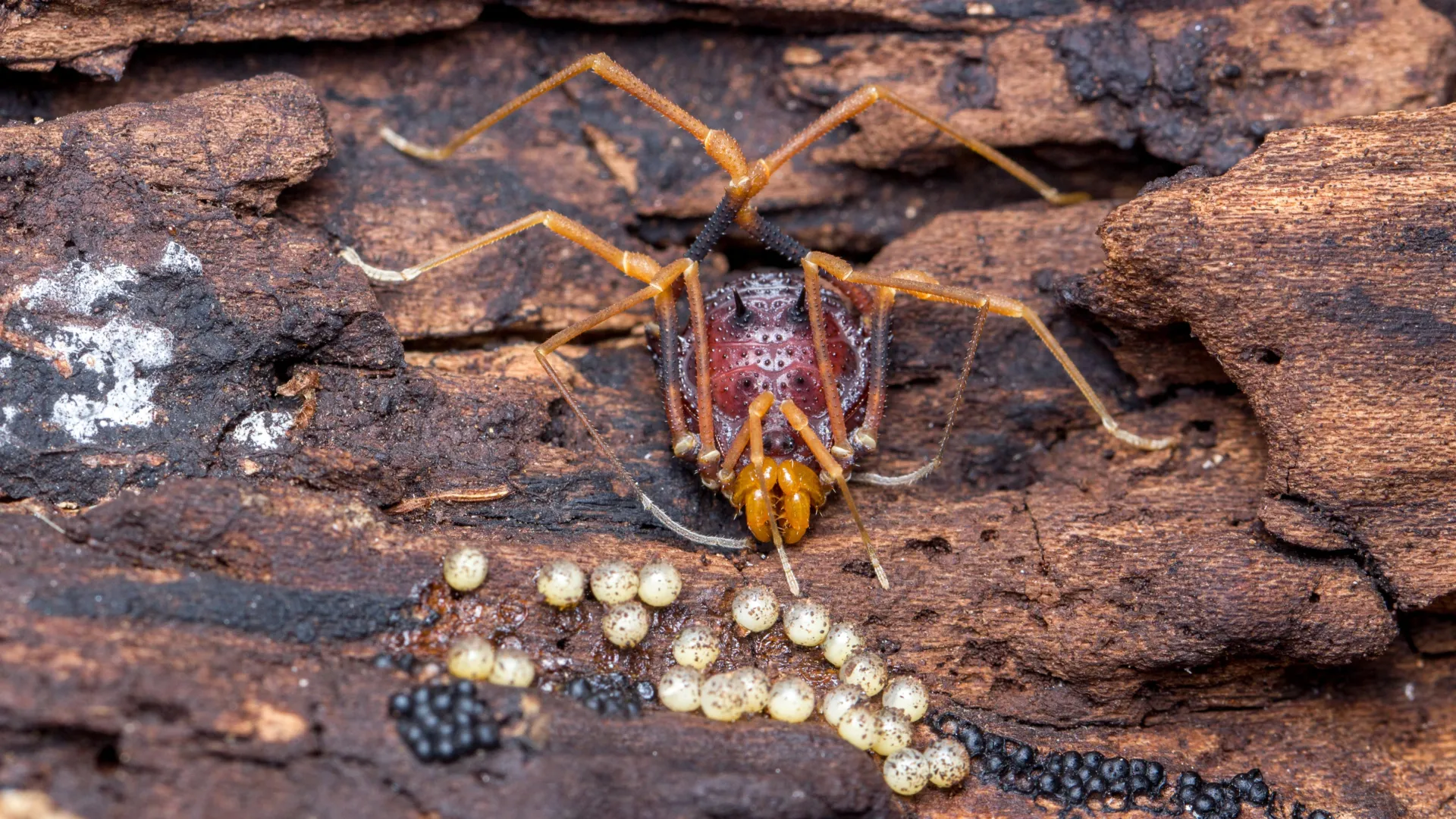
 Citizen Science Reveals Evolutionary Pathways of Parental Care in Harvestmen
KillBait - News highlights delivered clearly and responsibly—no clickbait, no sensationalism

Photo: slashdot.org
2026-07-15 15:44 Science 14


Astronauts Successfully Capture First X-Rays in Orbit, Advancing Space Medicine
Astronauts on SpaceX's Fram2 mission have achieved a groundbreaking milestone by capturing diagnostic X-ray images in orbit for the first time.This development provides space medicine with a second imaging option beyond ultrasound, which could significantly aid future crews in diagnosing injuries, inspecting equipment, and supporting prolonged missions to the Moon and beyond.
The MinXray TR90BH, a compact commercial X-ray machine, was used during the mission, allowing scans of body parts like the hand, forearm, chest, abdomen, and pelvis, as well as a smartwatch.The process involved minimal training for astronauts, with only four hours of instruction needed to operate the portable radiography device.
After calibration in orbit, the X-ray images were reviewed by independent radiologists, who found that while positioning scores for central body images were slightly lower than Earth-based scans, other scans met similar quality standards.Researchers aim to expand these tests in future missions while reducing equipment size.
This innovation marks a critical step forward in enabling medical diagnostics in space, addressing challenges posed by microgravity and the need for remote healthcare solutions.
2257
Original title: Astronauts Take First X-Rays In Space
The AI system has determined that this news is clickbait/sensationalist: : The original title emphasizes 'first X-Rays in Space' as a sensationalized achievement, prioritizing clickbait appeal over factual context about the technological and medical advancements described in the article. This has coincided with the opinion of the majority of users.
You may also be interested in...
Citizen Science Reveals Evolutionary Pathways of Parental Care in Harvestmen
 How Tone and Cultural References Influence Curiosity in Science Content
 AI and Quantum Computing Advance Drug Development by Creating New Peptides