
 How Tone and Cultural References Influence Curiosity in Science Content
KillBait - News highlights delivered clearly and responsibly—no clickbait, no sensationalism
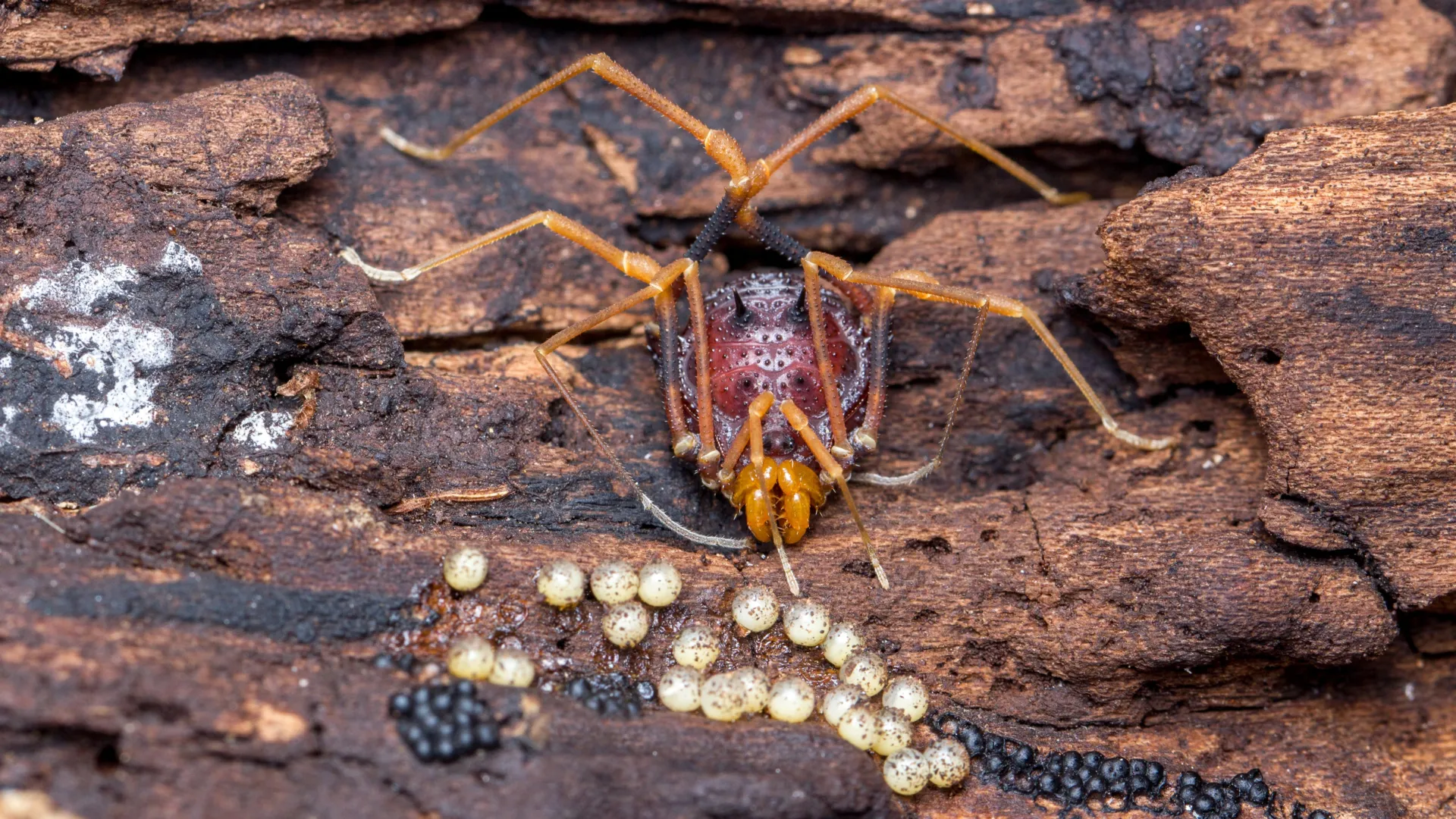
Photo: ScienceDaily
2026-07-13 11:40 Science 10


Citizen Science Reveals Evolutionary Pathways of Parental Care in Harvestmen
A recent study highlights how citizen scientists, using platforms like iNaturalist, have contributed to understanding the evolutionary development of parental care in harvestmen (small arachnids).
Researchers analyzed data from thousands of observations, doubling the number of documented cases of maternal and paternal behaviors in these creatures.
The study reveals that maternal care evolved first, with females guarding eggs, while paternal care emerged later through distinct evolutionary pathways.This discovery challenges previous assumptions about the universality of certain caregiving behaviors.
The research underscores the critical role of community science in biodiversity studies, enabling large-scale data collection that would be impossible for traditional methods alone.Scientists emphasize that while taxonomists are essential for classification, the public's participation has revolutionized ecological research.
The findings also suggest that evolutionary processes in invertebrates may differ significantly from those in vertebrates, offering new perspectives on animal behavior.This collaborative approach exemplifies how technology and public engagement can advance scientific knowledge in unexpected ways.
2186
Original title: Spider-like creatures help uncover the surprising origins of fatherhood
The AI system has determined that this news is clickbait/sensationalist: : The original title emphasizes 'surprising origins' and 'fatherhood' in a sensationalized manner, which overstates the novelty of the findings. The study's main contribution is the collaborative methodology rather than a groundbreaking revelation about animal behavior. This has coincided with the opinion of the majority of users.
You may also be interested in...
How Tone and Cultural References Influence Curiosity in Science Content
 AI and Quantum Computing Advance Drug Development by Creating New Peptides
 The Evolutionary Role of the Uvula in Human Speech and Anatomy