
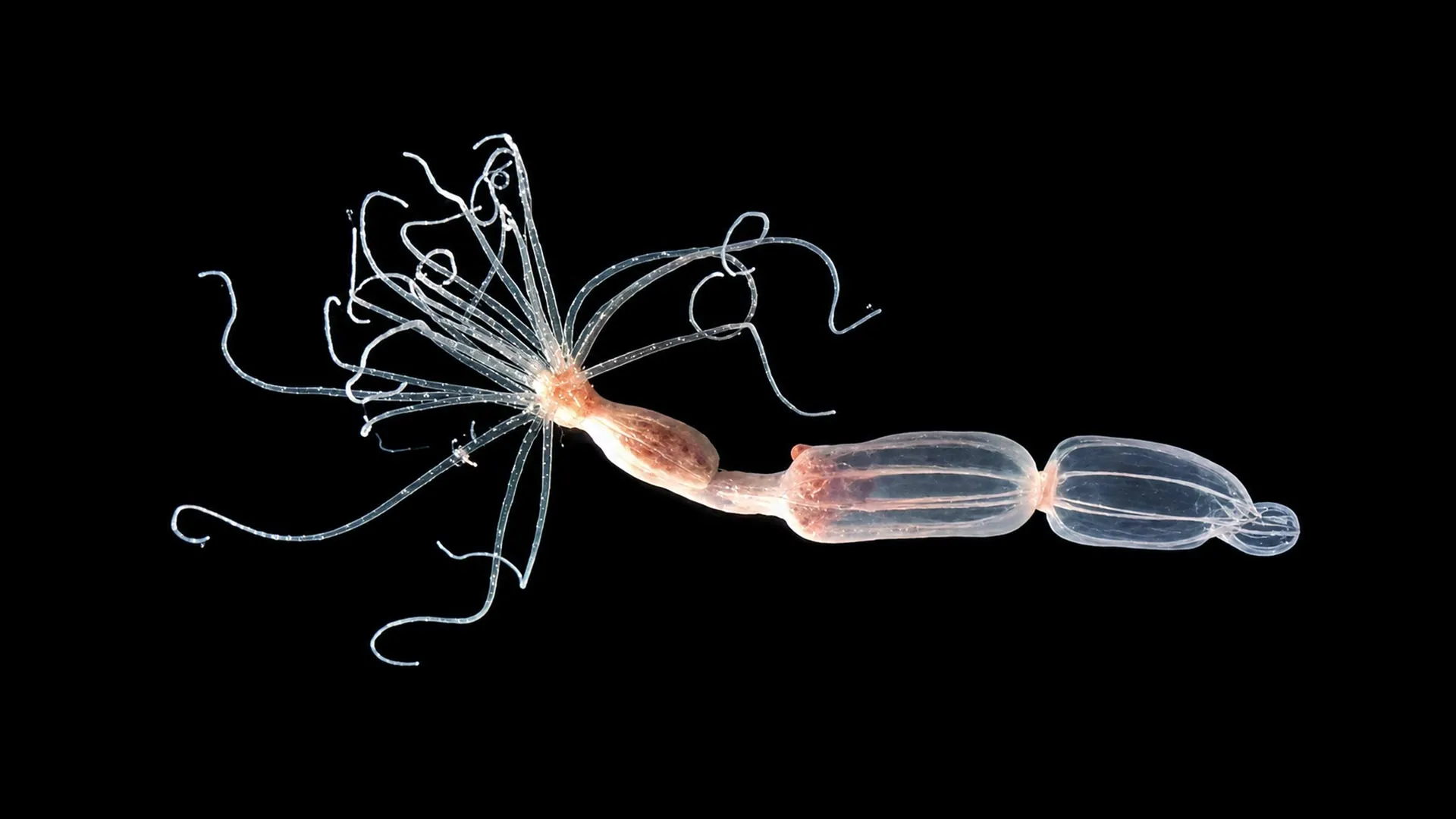
 Sea anemone study reveals alternative antiviral immune system and new evolutionary strategies
KillBait - News highlights delivered clearly and responsibly—no clickbait, no sensationalism
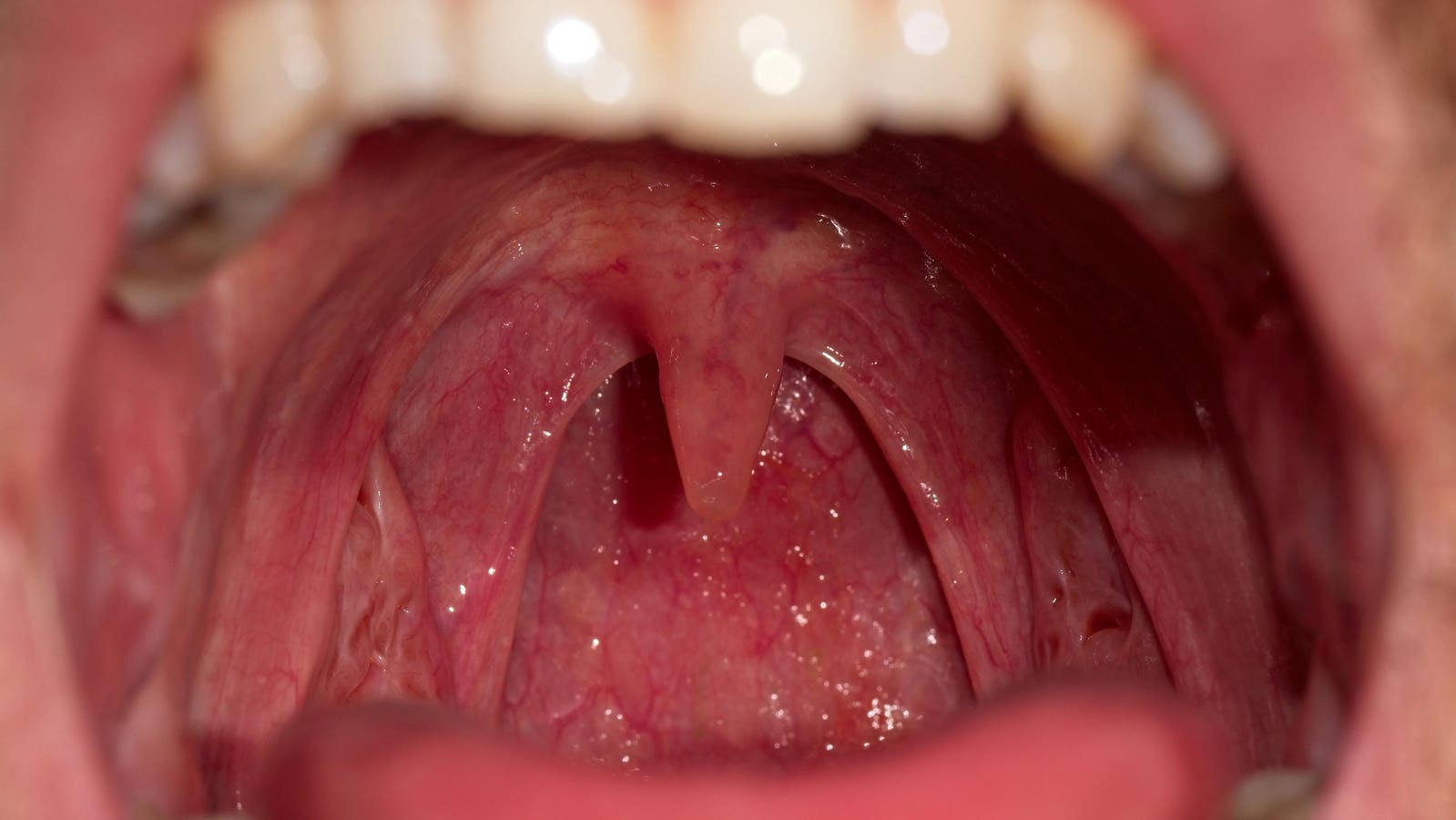
Photo: Forbes
2026-07-12 03:54 Science 10


The Evolutionary Role of the Uvula in Human Speech and Anatomy
The uvula, a small tissue flap hanging from the soft palate, is a unique feature among mammals and has sparked debate among biologists about its evolutionary purpose.
While some argue it evolved to support human speech by aiding in the production of rolled consonants and sealing the nasal cavity during swallowing, others view it as a byproduct of anatomical changes rather than a trait selected for its own sake.
The article explores how the uvula's structure and function are tied to the reorganization of the human vocal tract, which enabled complex speech.
It also highlights the uvula's practical roles, such as lubricating the throat, preventing nasal reflux during swallowing, and triggering the gag reflex.
Despite its controversial origins, the uvula remains a critical part of human anatomy, reflecting the evolutionary adaptations that allowed for advanced vocal communication.
The piece underscores the complexity of evolutionary biology, where structures like the uvula may serve multiple functions simultaneously or arise incidentally from other changes.
Ultimately, the uvula serves as a tangible marker of the evolutionary journey that transformed the human throat into a sophisticated instrument for speech.
2187
Original title: Why Do Humans Have A Uvula? An Evolutionary Biologist Explains
The AI system has determined that this news is not clickbait/sensationalist: : The original title is a direct question about a scientific topic without sensationalist language or exaggerated claims, making it informative rather than clickbait. This has coincided with the opinion of the majority of users.
You may also be interested in...
Sea anemone study reveals alternative antiviral immune system and new evolutionary strategies
 Scientists Create Long-Sought Quantum Material for Room-Temperature Electronics
 Frog-derived bacterium shows promise in eliminating cancer tumors in mice