
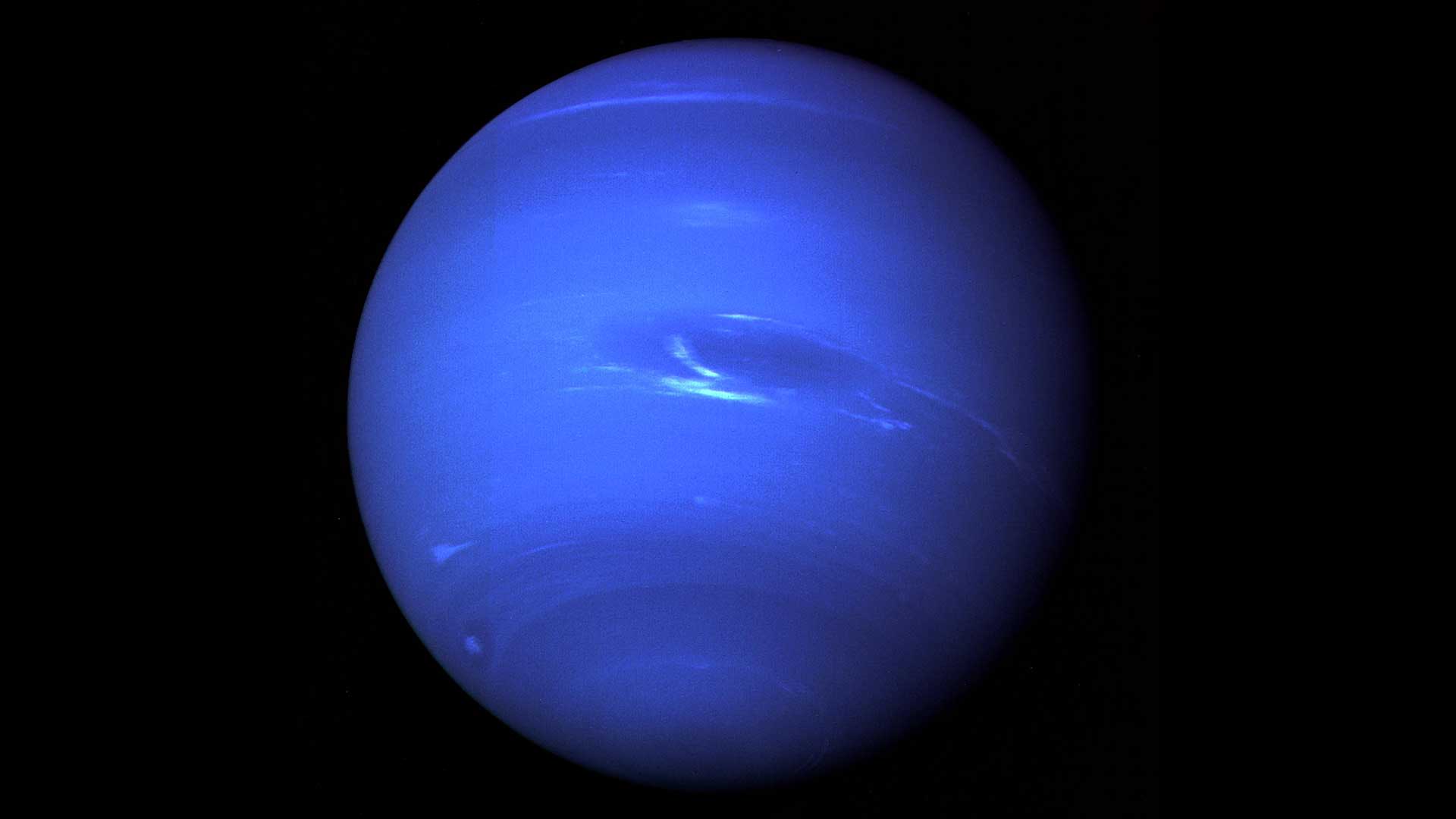
 Why Neptune Has the Fastest Winds in the Solar System
KillBait - News highlights delivered clearly and responsibly—no clickbait, no sensationalism
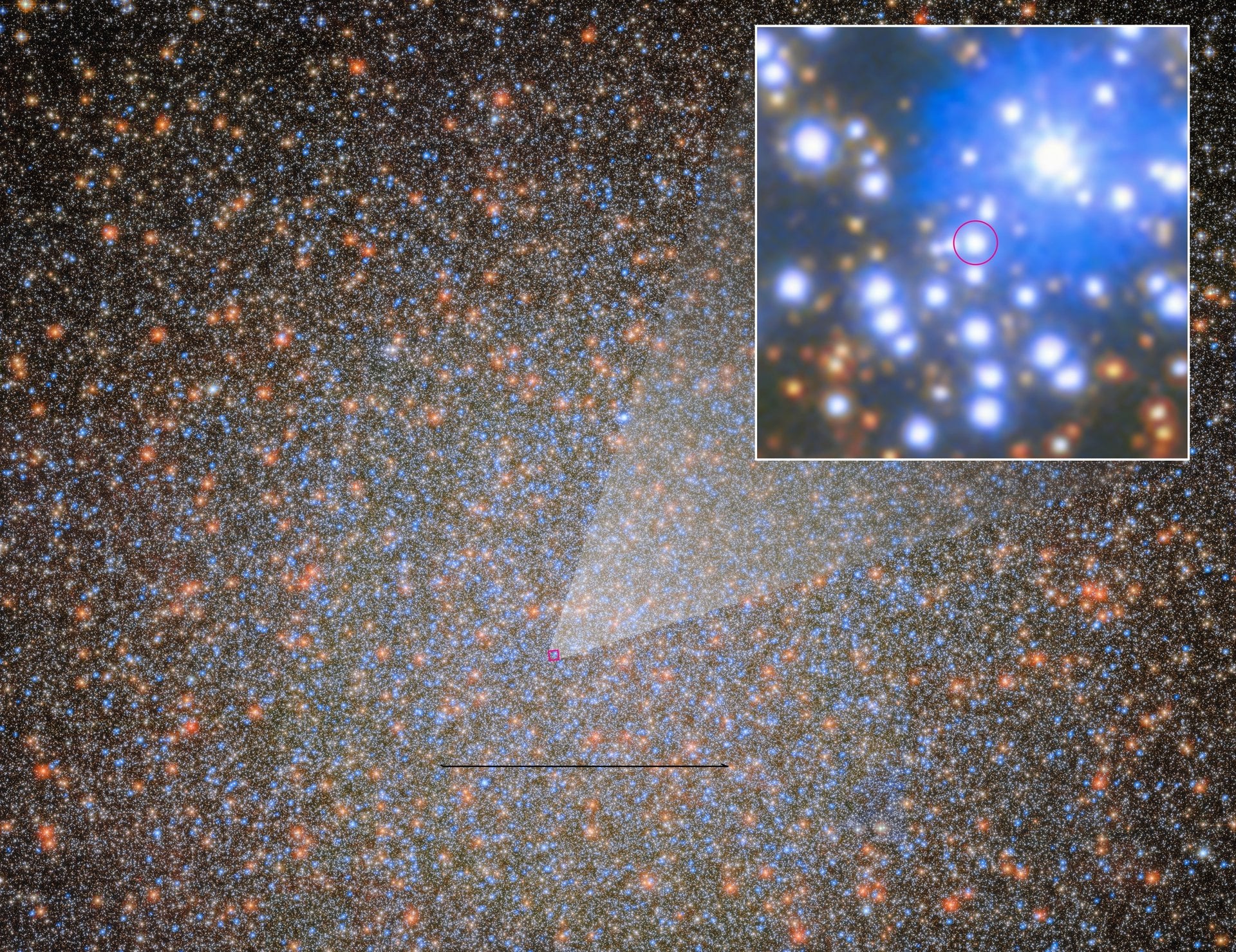
Photo: Universe Today
2026-07-24 17:19 Astronomy 10


Astronomers Discover First Stellar-Mass Black Hole in Omega Centauri Cluster
Using over 20 years of Hubble Space Telescope data and recent James Webb Space Telescope observations, astronomers have identified the first stellar-mass black hole in the Omega Centauri cluster, a massive globular cluster 18,000 light-years away.
This discovery addresses a long-standing mystery, as previous models predicted around 10,000 such black holes in the cluster but none had been detected.The black hole, designated oMEGACat BH-2, was found through astrometric measurements analyzing the motion of a star orbiting it.The black hole has a mass of 4.46 solar masses, too heavy to be a neutron star, and its 94-year orbital period suggests it was captured by the cluster rather than forming there.
This finding provides critical insights into black hole formation and dynamics in dense stellar environments, which are key to understanding gravitational wave sources.
The team plans to continue searching with Hubble, Webb, and the upcoming Nancy Grace Roman Telescope, which will expand their ability to detect 'missing' objects in the Milky Way.
Full reading at Universe Today
2186
Original title: Hubble Discovers the First "Missing" Black Hole in this Famous Star Cluster
The AI system has determined that this news is clickbait/sensationalist: : The original title uses sensational language like 'missing' and 'first' to attract attention, which is typical of clickbait headlines. This has coincided with the opinion of the majority of users.
You may also be interested in...
Why Neptune Has the Fastest Winds in the Solar System
 Rare helium nova reveals mysterious gas bullets from exploding star
 Nitrogen Bubbles in Titan's Methane Seas May Explain 'Magic Islands' Observed by Cassini