
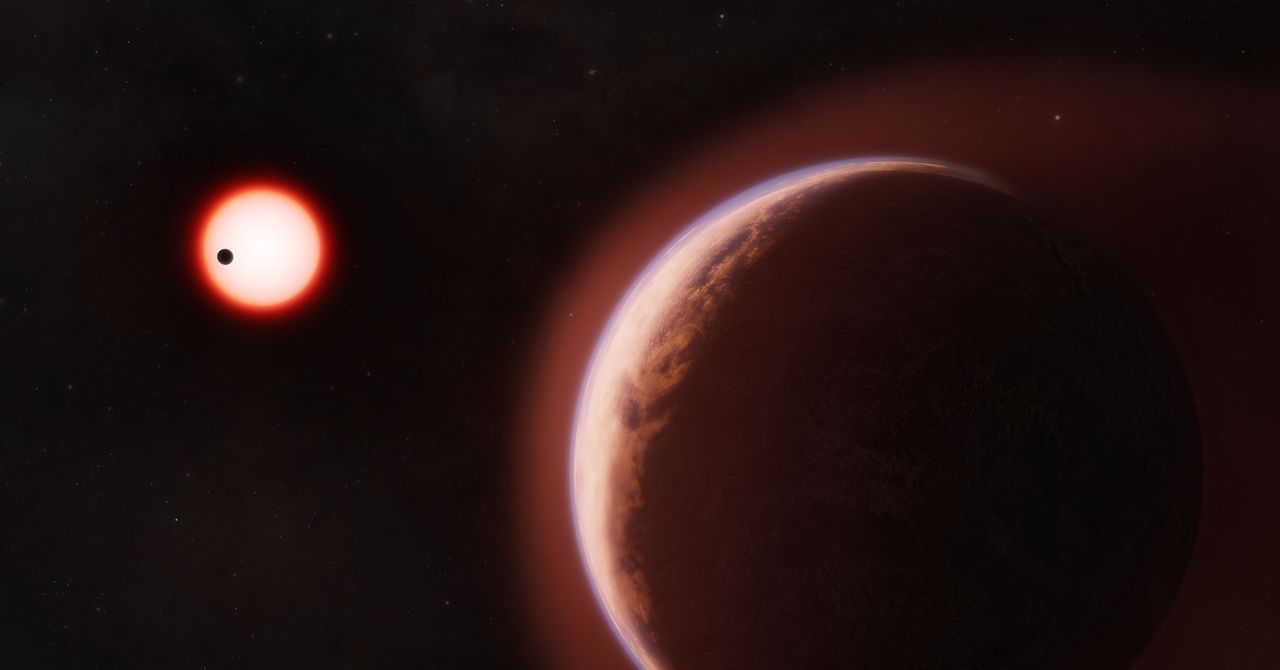
 Astronomers Confirm Atmosphere on Rocky Exoplanet in a Habitable Zone
KillBait - News highlights delivered clearly and responsibly—no clickbait, no sensationalism
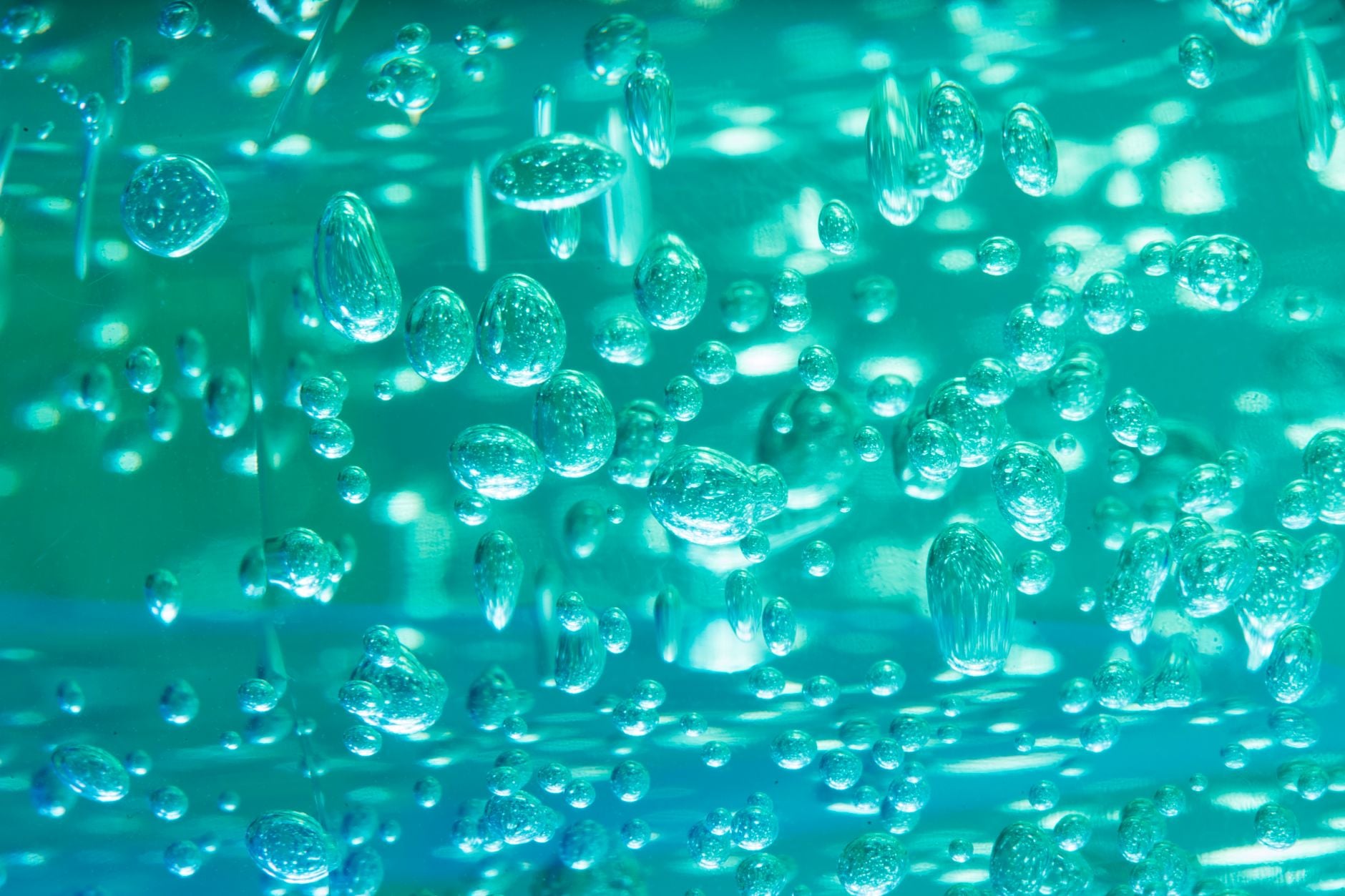
Photo: Space Daily
2026-07-21 07:24 Astronomy 10


Nitrogen Bubbles in Titan's Methane Seas May Explain 'Magic Islands' Observed by Cassini
The article discusses the mysterious 'magic islands' observed by NASA's Cassini spacecraft in Titan's methane seas, which appeared, disappeared, and reappeared over time.Scientists propose that these phenomena could be caused by nitrogen bubbles rising through the liquid as the alien lakes warm or mix.Laboratory experiments support this theory, showing that nitrogen can dissolve in cold methane and release as bubbles when conditions change.The study highlights the dynamic nature of Titan's environment, where cryogenic processes create transient features.While the Cassini mission ended in 2017, future missions like NASA's Dragonfly rotorcraft may provide further insights.The research underscores the importance of understanding extraterrestrial chemistry and the potential for similar processes on other icy moons.
The findings also emphasize the role of temperature and pressure in shaping planetary surfaces, offering a glimpse into the complex geology of Saturn's moon.
2186
Original title: Cassini watched bright “islands” appear, disappear and reappear in Titan’s methane seas — and laboratory experiments suggest they may be fields of nitrogen bubbles fizzing out of solution as the alien lakes warm or mix
The AI system has determined that this news is clickbait/sensationalist: : The original title uses sensationalist language like 'magic islands' and 'solution to Saturn's moon mystery,' which exaggerates the significance of the findings and appeals to curiosity rather than presenting factual scientific analysis. This has coincided with the opinion of the majority of users.
You may also be interested in...
Astronomers Confirm Atmosphere on Rocky Exoplanet in a Habitable Zone
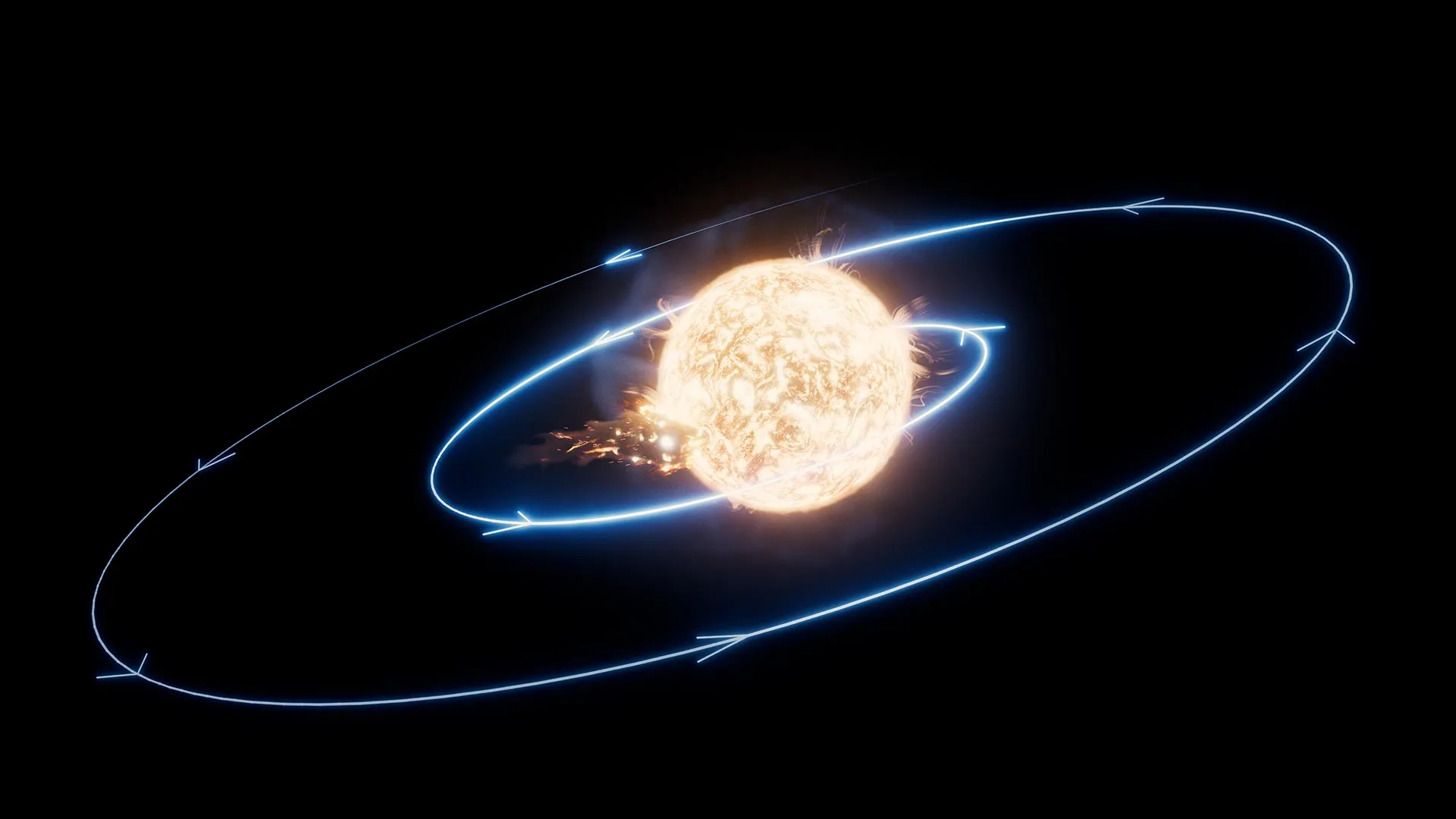 Astronomers Discover Sun-like Star That Ate One of Its Planets
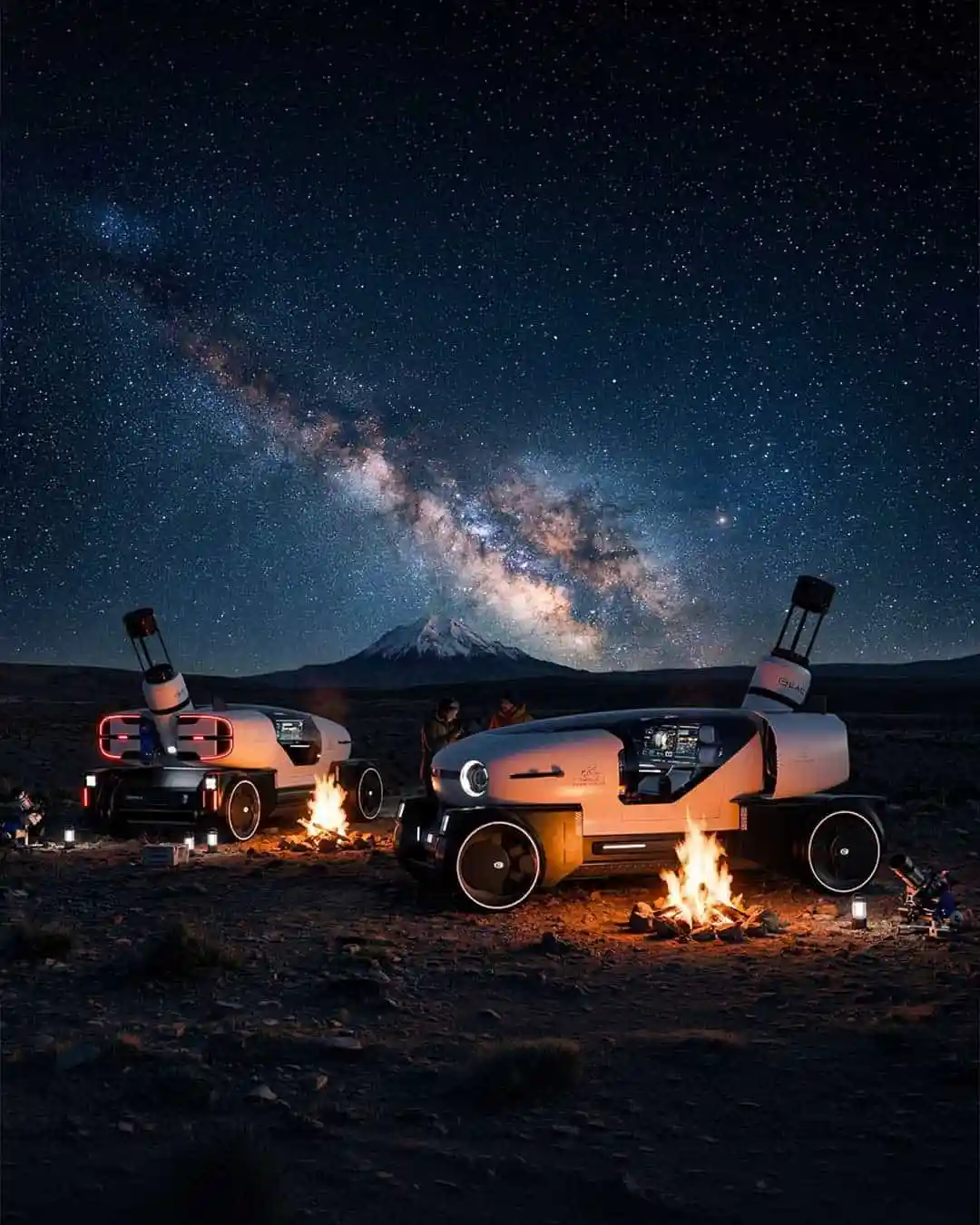 Galileo Concept Car Transforms into a Mobile Observatory