
 Critical reflection on Tinubu’s three years in power and Nigeria’s political culture
KillBait - News highlights delivered clearly and responsibly—no clickbait, no sensationalism
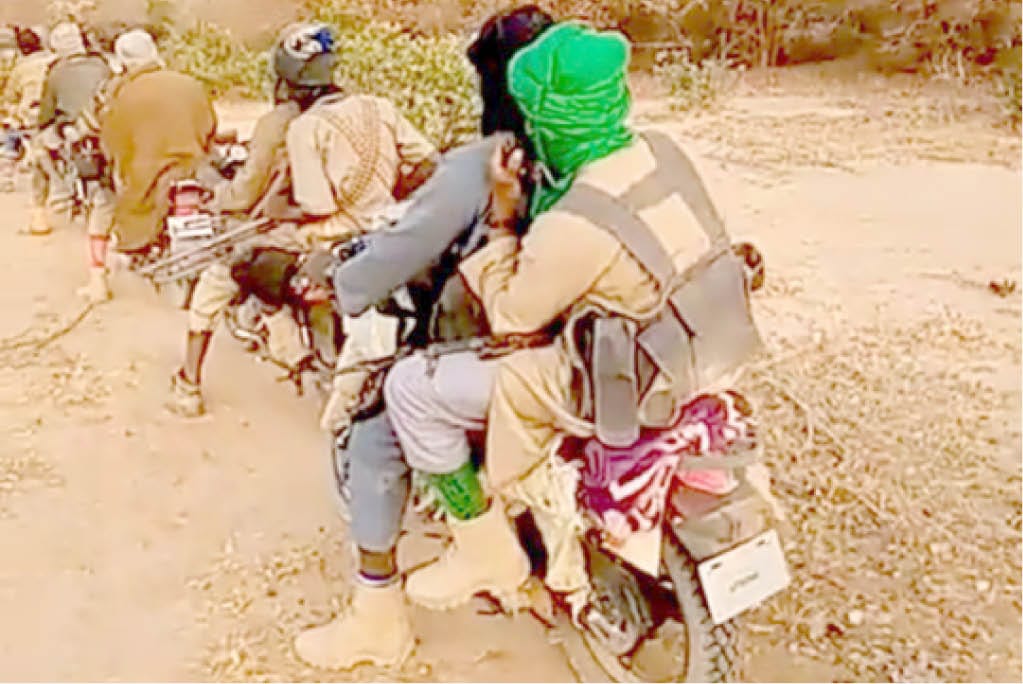
Photo: Daily Trust
2026-06-01 11:39 Opinion 11 


Bandit Informants and Sponsors Fueling Insecurity in Nigeria
The article takes a hard look at the growing insecurity problem in Nigeria, especially the activities of bandits and the people allegedly supporting or informing them from within society and government structures.
It references a recent statement by the Governor of Katsina State, Dikko Umar Radda, who revealed that there are informants within his government aiding bandit operations.According to him, security meeting details were sometimes leaked to criminals within minutes, making counter-bandit efforts very difficult.This revelation raised serious concern about trust and internal sabotage in governance.The piece further highlights the arrest of a former aide to the governor, Hon.Nuru Aliyu Garwa, who was allegedly involved in kidnapping activities, including the abduction of a neighbour’s child for ransom.
Reports suggest over ten million naira was paid for the victim’s release, raising questions about how deeply some individuals in authority may be involved in criminal networks.The author uses this case to stress the possibility that many more hidden collaborators may exist within political and community structures.
The article also expands the discussion to include communities that allegedly protect or support bandits, sometimes even protesting against security operations.It notes that some locals may see these criminals as protectors or benefactors, which complicates enforcement efforts.
Additionally, it raises concerns about possible involvement of some security personnel as informants, making the fight against insecurity even more difficult.
Examples from other parts of the country, including kidnappings in Oyo State and alleged complicity in Ogun communities, are used to show how widespread the issue may be.
The writer argues that Nigeria needs stronger cooperation between government, security agencies, and citizens, alongside stricter punishments such as the death penalty for convicted kidnappers.The piece concludes that without collective responsibility and trust, the country’s insecurity challenges will continue to grow.
2208
Original title: Of Bandits and Their Informants/Sponsors
The AI system has determined that this news is not clickbait/sensationalist: : The title is straightforward and descriptive, reflecting the subject matter of bandit informants and sponsors without sensational exaggeration or misleading framing. This has coincided with the opinion of the majority of users.
You may also be interested in...
Critical reflection on Tinubu’s three years in power and Nigeria’s political culture
 Culture as the Storefront: How Authenticity is Reshaping Social Commerce in Nigeria
 How Infrastructure Vandalism Is Undermining Nigeria’s Power Sector and Economy