
 PM Modi visits Melbourne Cricket Ground during Australia tour, highlights cricket ties and stronger India-Australia partnership
KillBait - News highlights delivered clearly and responsibly—no clickbait, no sensationalism
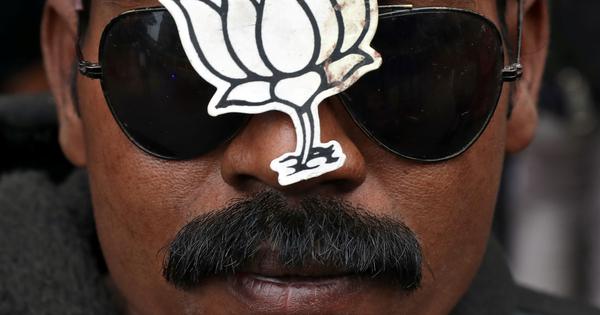
Photo: Scroll.in
2026-07-10 08:28 Politics 10


Bengal's Communal Past Shapes BJP's Political Strategy
The article explores how Bengal's historical engagement with communal politics during the colonial era continues to influence contemporary political dynamics, particularly the Bharatiya Janata Party's (BJP) strategies in West Bengal.
It highlights how Hindu nationalist ideologies shaped the Bhadralok upper-middle class discourse between 1930-40, leading to religiously charged political campaigns.
The BJP's recent electoral victory in West Bengal is analyzed through this historical lens, noting its focus on Hindu identity and demographic anxieties.
The piece traces the roots of communal tensions back to British colonial policies like the Communal Award of 1932, which altered representation in Bengal's legislature.
It also discusses the role of organizations like the Hindu Mahasabha and Congress Party in amplifying Hindu grievances during Partition-era conflicts.
The article concludes by suggesting that BJP's revival of historical narratives, such as commemorating figures like Shyamaprasad Mookherjee, aims to consolidate a Hindu political base.This analysis underscores how historical memory continues to shape modern electoral strategies in the region.
2186
Original title: Bengal’s history of communal politics is fertile ground for BJP’s polarising agenda
The AI system has determined that this news is clickbait/sensationalist: : The original title uses hyperbolic language like 'fertile ground' and 'polarising agenda,' which exaggerate the narrative to attract attention. It frames BJP's actions as inherently divisive, which is more sensational than factual. This has coincided with the opinion of the majority of users.
You may also be interested in...
PM Modi visits Melbourne Cricket Ground during Australia tour, highlights cricket ties and stronger India-Australia partnership
 Bankipur bypoll highlights BJP's stronghold with JSP challenge
 Three TMC Leaders Join BJP Ahead of Rajya Sabha Bypolls