
 AI whole-body mapping study links obesity to facial nerve damage and systemic inflammation
KillBait - News highlights delivered clearly and responsibly—no clickbait, no sensationalism
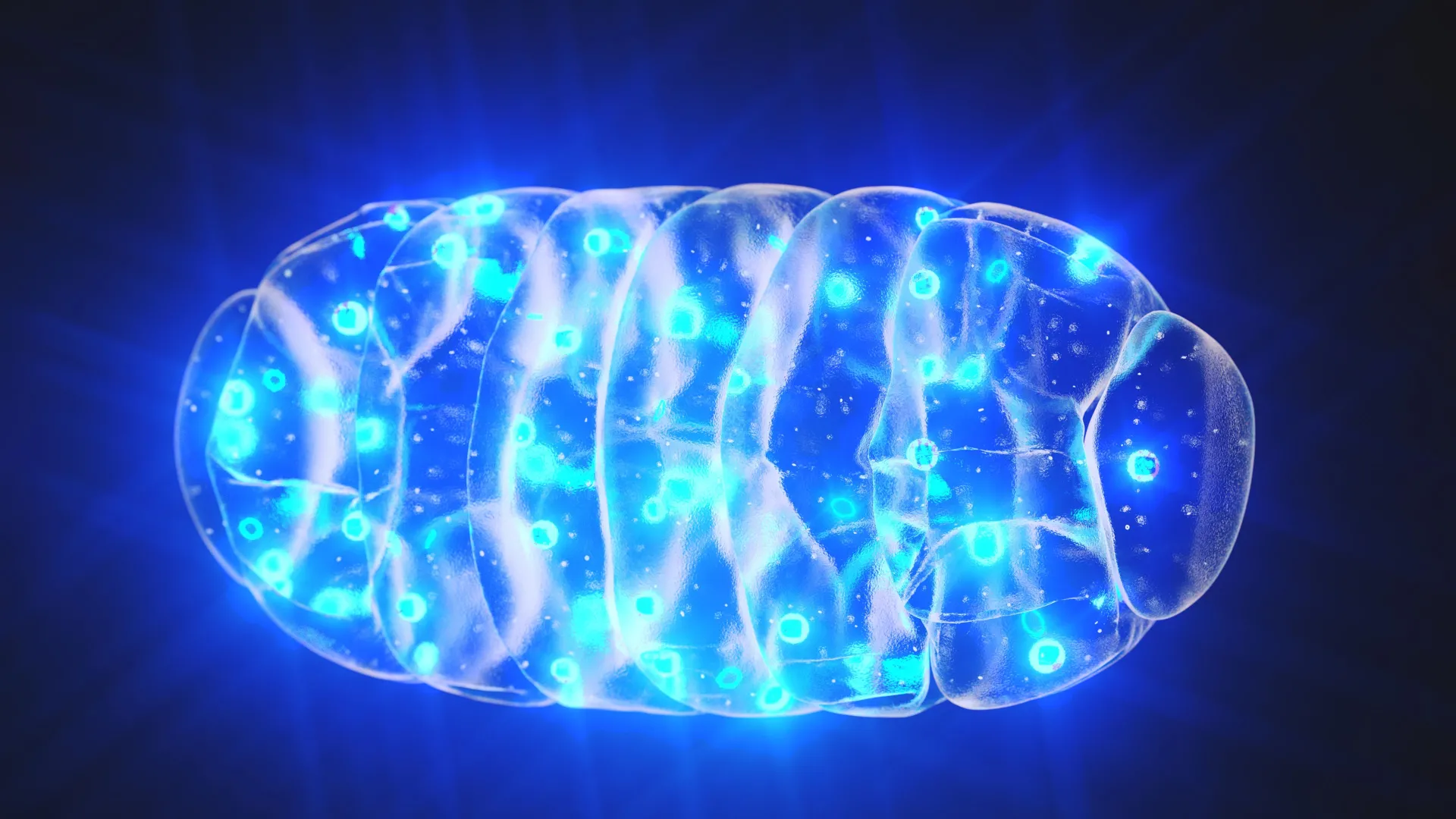
Photo: ScienceDaily
2026-05-17 10:29 Neuroscience 12 


Boosting Mitochondrial Activity Restores Memory in Mouse Models of Dementia
Researchers from INSERM and the University of Bordeaux, in collaboration with the Université de Moncton, have demonstrated for the first time that mitochondrial dysfunction may directly contribute to cognitive decline in neurodegenerative diseases.
Using a novel tool called mitoDREADD-Gs, designed to temporarily stimulate mitochondrial activity within neurons, scientists were able to restore memory performance in mouse models of dementia.
This finding suggests that energy deficits in neurons may occur before brain cells die, highlighting a potential early intervention target for conditions like Alzheimer's disease.Mitochondria, the energy-producing structures of cells, are critical for neurons to communicate and maintain memory function.When their activity drops, neurons lose efficiency, which may underlie memory and cognitive deficits.
While the research is still in early stages and limited to animal models, it points to a new therapeutic avenue focusing on restoring cellular energy rather than solely targeting classic pathological markers such as amyloid plaques or tau tangles.
Future research aims to assess whether prolonged mitochondrial stimulation can prevent neuronal loss, slow disease progression, or delay symptom onset in humans.
The study emphasizes the importance of neuronal energy health in brain function and offers a fresh perspective for developing treatments for neurodegenerative diseases.
2224
Original title: Scientists reversed memory loss by recharging the brain’s tiny engines
The AI system has determined that this news is clickbait/sensationalist: : The original title uses sensational language like 'reversed memory loss' and 'tiny engines,' which exaggerates the study's early-stage, animal-model findings and could give readers an overly optimistic impression about human treatments. This has coincided with the opinion of the majority of users.
You may also be interested in...
AI whole-body mapping study links obesity to facial nerve damage and systemic inflammation
 Using Pink Noise to Enhance Anesthesia by Modulating Delta Brain Waves
 The History and Modern Tradition of Post Office Bay in the Galápagos Islands