
 Marina Hyde questions Nigel Farage’s consistency in responding to high-profile murders and national tragedies
KillBait - News highlights delivered clearly and responsibly—no clickbait, no sensationalism
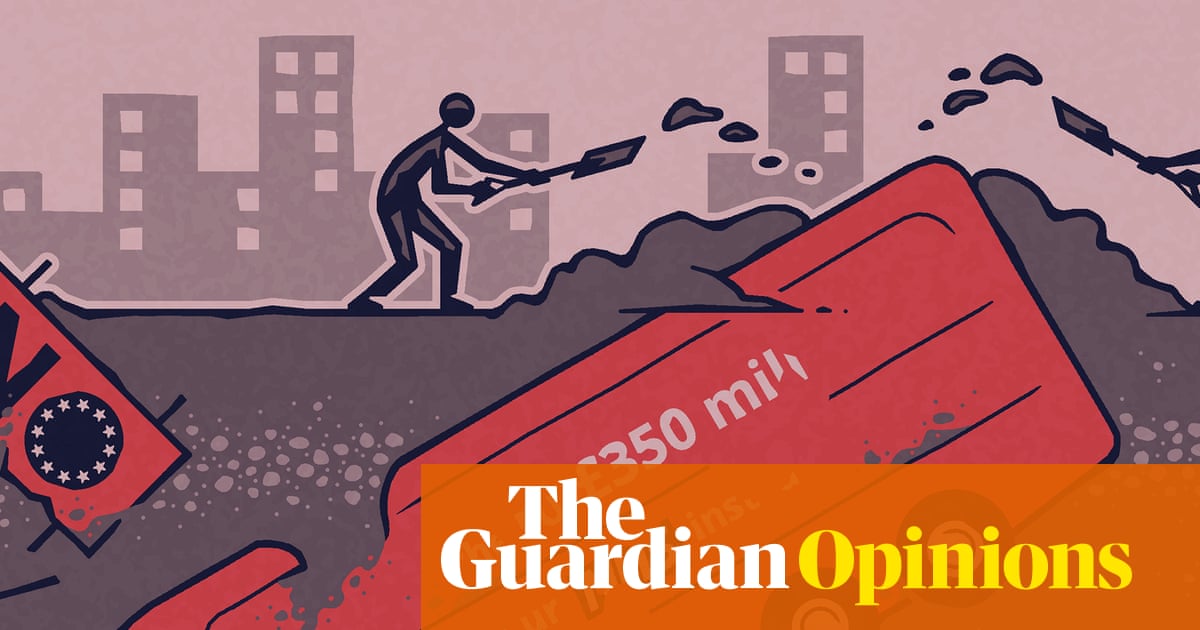
Photo: theguardian.com
2026-06-05 23:27 Opinion 30 


Brexit’s legacy of misinformation, political polarisation and economic damage in Britain
In this opinion piece, Jonathan Freedland reflects on the tenth anniversary of the 2016 Brexit referendum and argues that Britain is now living with the deep political, economic and cultural consequences of that decision.
Drawing on a forthcoming BBC documentary, he revisits how the referendum campaign was shaped by political miscalculations and personal rivalries within the Conservative Party, particularly under David Cameron and George Osborne, alongside key figures such as Boris Johnson, Michael Gove and Dominic Cummings.
Freedland suggests that the campaign environment was marked by strategic dishonesty, most notably the claim on the Vote Leave bus about £350m allegedly sent to the EU each week, which he describes as a symbol of a broader shift towards “post-truth” politics.
The article argues that Brexit has had a lasting economic impact, citing estimates that UK GDP is now 6–8% lower than it would have been, with investment down significantly and trade reduced compared with remaining in the EU.It also highlights widespread disruption faced by businesses engaged in importing and exporting.
Beyond economics, Freedland emphasises a broader deterioration in public discourse, pointing to increased polarisation, online hostility, and the mainstreaming of previously fringe rhetoric.
He links the referendum campaign to a rise in aggressive political messaging, including controversial advertisements and slogans that played on fear and immigration.According to the article, these dynamics contributed to a more fragmented political landscape and created space for more extreme voices.
While acknowledging that Brexit was also a symptom of wider social and technological changes, including social media amplification, the author argues it significantly accelerated the coarsening of national debate.
Despite this bleak assessment, Freedland notes polling suggesting a majority of Britons now favour rejoining the EU, and he concludes that although Brexit’s consequences remain deeply embedded in British life, political change remains possible over time.
Full reading at theguardian.com
2414
Original title: Britain is a swamp of lies and disinformation – and we got here on the Brexit bus
The AI system has determined that this news is clickbait/sensationalist: : The original title uses highly emotive and metaphorical language such as “swamp of lies and disinformation” and “Brexit bus”, which is designed to provoke a strong reaction and draw attention rather than neutrally summarise the content, making it somewhat sensationalist. This has coincided with the opinion of the majority of users.
You may also be interested in...
Marina Hyde questions Nigel Farage’s consistency in responding to high-profile murders and national tragedies
 Schmigadoon! wins Best Musical as Death of a Salesman and Ragtime collect multiple honours at the 2026 Tony Awards
 Brighton reject two Tottenham bids for centre-back Jan Paul van Hecke