
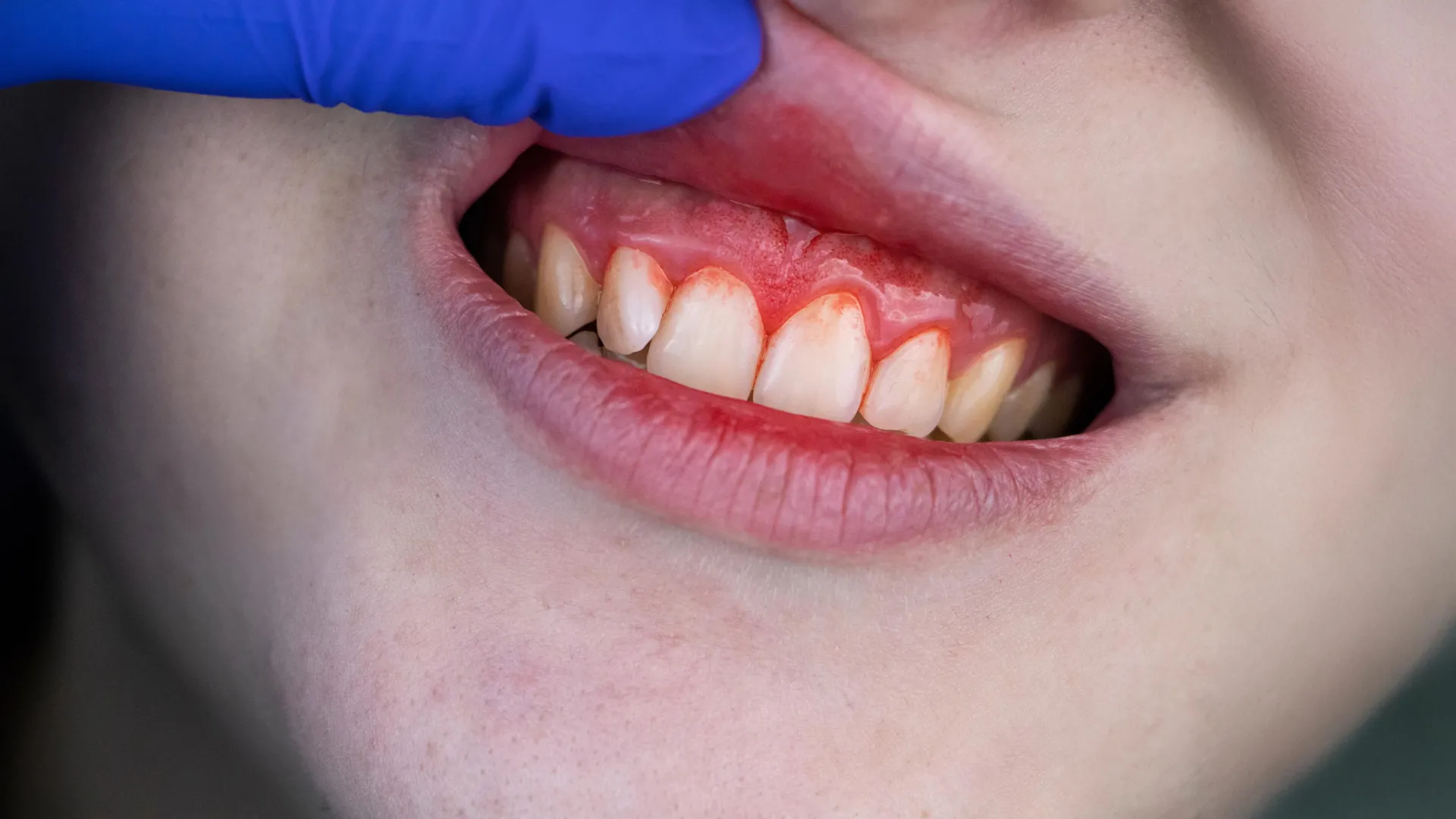
 Gum Disease Bacteria Linked to Heart Valve Damage Risk
KillBait - News highlights delivered clearly and responsibly—no clickbait, no sensationalism
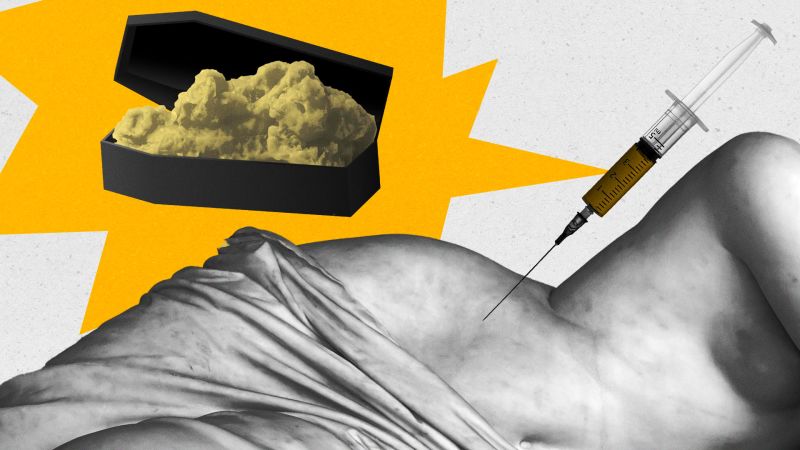
Photo: CNN
2026-07-13 15:56 Health 10


Cadaver Fat Injectable Gains Attention as GLP-1 Weight Loss Drives Demand for Body Contouring
A new injectable body contouring product called alloClae is attracting growing attention in the U.S.because it is made from donated human fat obtained from cadaver tissue.
Developed by Tiger Aesthetics, the product is marketed as an alternative to traditional fat grafting procedures, allowing physicians to restore volume in areas such as the breasts, buttocks, face, and other parts of the body without liposuction or major surgery.
Doctors report increasing interest, particularly among patients who have lost significant weight while taking GLP-1 medications such as Ozempic and Wegovy and want to restore volume in specific areas.
Although similar products such as Renuva have existed for years, alloClae offers larger injection volumes, making it suitable for broader body contouring applications.The treatment can cost tens of thousands of dollars depending on the amount injected.The article also examines ethical and regulatory concerns surrounding the use of donated human tissue.
While Tiger Aesthetics says donors provide informed consent through accredited tissue banks and that donor DNA is removed during processing, bioethicists question whether for-profit cosmetic uses align with the altruistic intentions of body donation.
Regulatory scrutiny has also emerged, with New York health authorities denying the company's tissue bank license application, leading Tiger Aesthetics to file a lawsuit challenging the decision.
The story includes patient experiences ranging from satisfaction with cosmetic results to complications such as fat necrosis, which may require additional medical treatment.
Plastic surgeons emphasize that long-term clinical data comparing alloClae with conventional fat grafting remain limited, leaving questions about long-term safety and effectiveness despite growing commercial interest.
2187
Original title: GLP-1s are shrinking bodies. Cadaver fat is plugging the gap
The AI system has determined that this news is clickbait/sensationalist: : The original headline uses provocative wording by linking GLP-1 medications with 'cadaver fat,' emphasizing a shocking element to attract attention. While it accurately reflects the article's subject, it omits important context that the product is a regulated cosmetic injectable made from processed donated tissue, making the headline more sensational than fully informative. This has coincided with the opinion of the majority of users.
You may also be interested in...
Gum Disease Bacteria Linked to Heart Valve Damage Risk
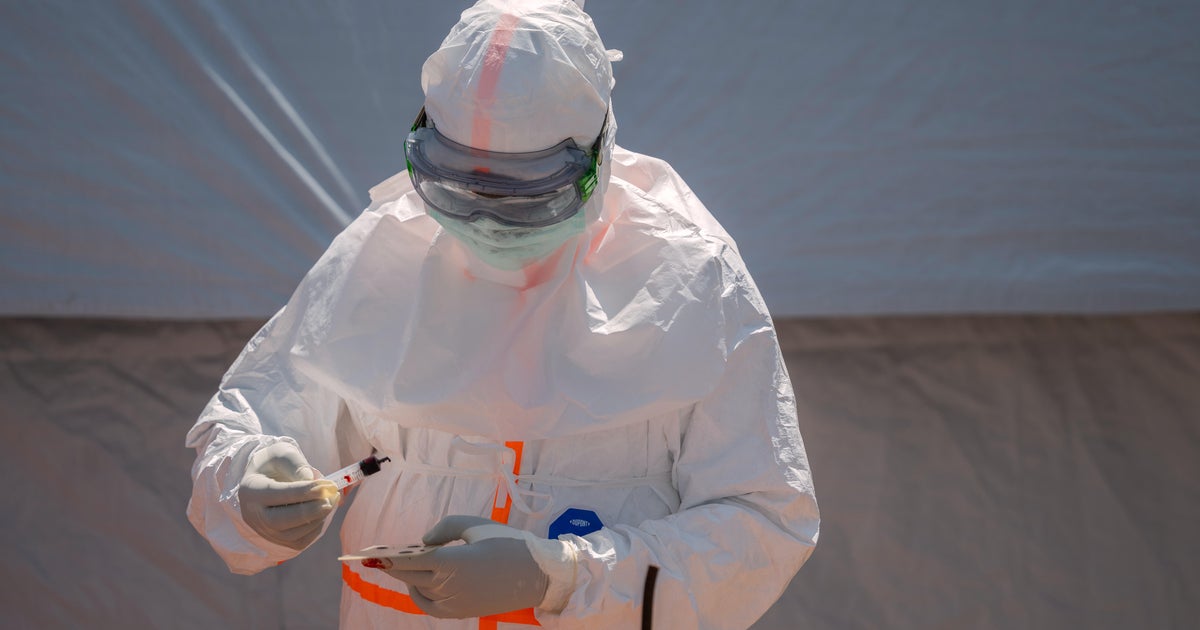 U.S. Citizen in Congo Tests Positive for Ebola as Outbreak Escalates
 Common Causes of Nighttime Urination and How to Manage Them