
 1951 Atlas Babycar 2S: Rare French Post-War Microcar Design
KillBait - News highlights delivered clearly and responsibly—no clickbait, no sensationalism
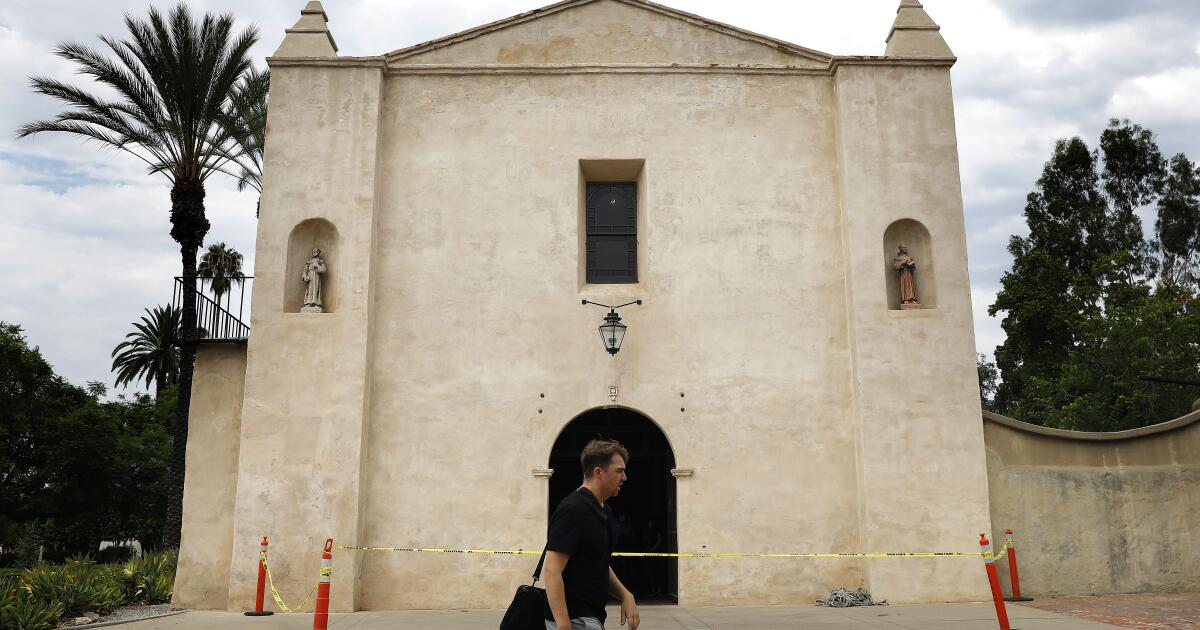
Photo: Los Angeles Times
2026-07-02 16:29 History 18 


California’s Early History and Influence Before U.S. Independence
This opinion column by Patt Morrison examines California’s early historical development and argues that the region was already undergoing major social, political, and cultural transformations at the same time the Thirteen Colonies were declaring independence in 1776.
While the American Revolution is often seen as the starting point of the United States, the article highlights that Spanish colonial California was simultaneously shaping its own future through mission building, military expansion, and settlement along the Pacific Coast.
The piece describes how 1776 marked important milestones in California history, including the establishment of Mission San Francisco de Asís (Mission Dolores) during the same period as the signing of the Declaration of Independence in Philadelphia.
It also notes the expansion of Spanish missions, such as San Gabriel, and the impact this colonization had on Indigenous populations like the Ohlone, who faced disease, displacement, and cultural disruption.
Morrison further explores how Spanish and later Mexican governance influenced California’s legal and social traditions, particularly in areas like property rights, water law, and gender roles.
The article emphasizes that California’s 1849 constitution incorporated elements from Iberian legal traditions, including protections for married women’s property rights and a ban on slavery—policies that contrasted sharply with early U.S.constitutional frameworks.
The column also discusses the evolution of race and citizenship definitions in California compared to the rest of the United States, noting how fluid racial classifications in Spanish and Mexican systems differed from the rigid racial categories that later developed in U.S.law.
Additionally, it highlights California’s distinctive water rights system, rooted in limited water availability and shaped by both Spanish-Mexican and American legal adaptations.
Overall, the article argues that California’s historical trajectory was deeply distinct from that of the original 13 colonies and that many of its early legal and cultural foundations have had lasting influence on modern American society.
Full reading at Los Angeles Times
2316
Original title: Commentary: 250 years? California was already going strong when the 13 colonies got their act together
The AI system has determined that this news is not clickbait/sensationalist: : The original title is descriptive and informational, reflecting the article’s comparative historical analysis rather than using sensational or misleading language. This has coincided with the opinion of the majority of users.
You may also be interested in...
1951 Atlas Babycar 2S: Rare French Post-War Microcar Design
 Jayne Mansfield’s 1957 Promotional Visit to Rotterdam Draws Public and Military Attention
 History of the NYPD Brooklyn Stand-Up Mugshot Identification System