
 Quebec Proposes Stricter Regulations on Benadryl Following Teen’s Death
KillBait - News highlights delivered clearly and responsibly—no clickbait, no sensationalism

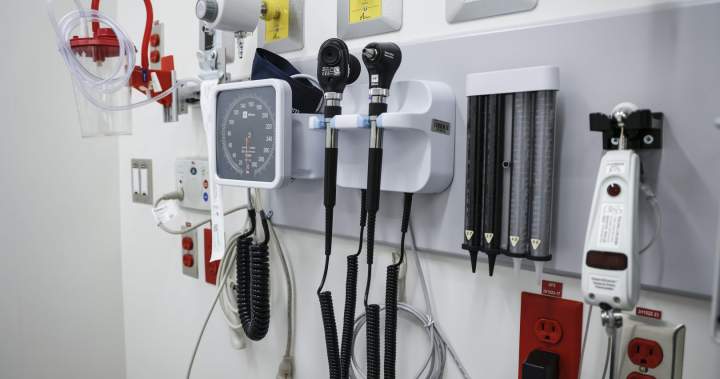
Photo: CBC
2026-07-08 12:34 Health 10


Canadian Researchers Explore Liquid Biopsies to Detect Post-Treatment Cancer Recurrence
A Toronto-based research team is leading a five-year clinical trial to study liquid biopsies, a blood-based technology that detects traces of tumour DNA to improve cancer survivorship.The SHERLOCK project, led by Dr.Lillian Siu at the Princess Margaret Cancer Centre, aims to identify residual cancer cells in patients who have undergone curative treatments.Liquid biopsies offer a less invasive alternative to traditional imaging, enabling early detection of potential relapses.
Participants like Paul Lonergan, who had tongue cancer, benefited from the technology by receiving targeted immunotherapy after tests revealed lingering tumour fragments.While promising, challenges remain, including false positives/negatives and high costs.Researchers emphasize the need for repeated testing and long-term studies to validate the technology's role in routine care.
Despite these hurdles, the project could revolutionize cancer monitoring by detecting disease recurrence before clinical symptoms appear, offering patients better treatment options and reducing the need for aggressive interventions.
2187
Original title: How Canadian researchers are using 'liquid biopsies' to find traces of tumours left after cancer treatment
The AI system has determined that this news is not clickbait/sensationalist: : The original title is informative and accurately reflects the study's focus on using liquid biopsies for post-treatment cancer monitoring without sensationalism. This has coincided with the opinion of the majority of users.
You may also be interested in...
Quebec Proposes Stricter Regulations on Benadryl Following Teen’s Death
 B.C. Nurses' Union expands job action after alleging employer intimidation and filing labour board complaint
 New UK Study Suggests Blood Test Could Revolutionize Endometriosis Diagnosis