
 How antibiotics affect your gut microbiome and why probiotics may not be the solution
KillBait - News highlights delivered clearly and responsibly—no clickbait, no sensationalism
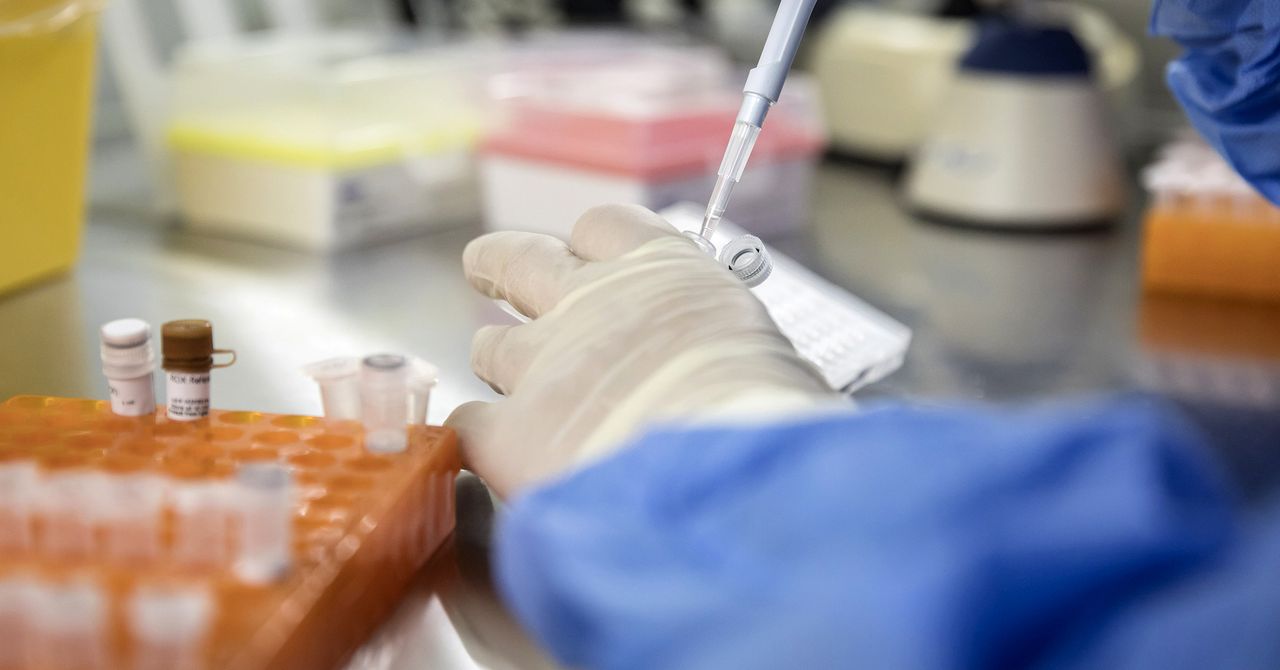
Photo: WIRED
2026-05-18 19:06 Health 15 


CAR-T Cell Therapy Shows Early Promise in Long-Term HIV Control
A small clinical trial has demonstrated that CAR-T cell therapy, a treatment previously used for certain cancers, could help control HIV long-term.In the study, researchers reprogrammed participants' immune cells to specifically target HIV.
Two participants achieved undetectable levels of the virus, maintaining viral suppression for nearly two years and almost a year, respectively, without the need for ongoing antiretroviral therapy.
The trial involved nine participants, some of whom did not respond as well, highlighting the importance of early treatment and proper conditioning for the CAR-T cells.This approach aims to create 'sentinel' immune cells that remain active in the body to prevent HIV replication.
Unlike prior HIV functional cures, which relied on stem cell transplants from rare donors and were complex and risky, CAR-T therapy could eventually provide a safer and more scalable alternative.
Challenges remain, including the high cost and labor-intensive preparation of CAR-T cells, but researchers are exploring in-body production methods to simplify treatment.
While the findings are preliminary, they provide a significant proof-of-concept that teaching the immune system to control HIV without continuous medication is possible, offering hope for a functional cure in the future.
2274
Original title: Supercharging Immune Cells May Help Control HIV Long-Term
The AI system has determined that this news is not clickbait/sensationalist: : The original title accurately describes the scientific approach being studied and its potential impact without exaggeration or sensationalism. This has coincided with the opinion of the majority of users.
You may also be interested in...
How antibiotics affect your gut microbiome and why probiotics may not be the solution
 Study finds beetroot juice may reduce blood pressure in older adults after two weeks
 Researchers Identify Liver Protein HELZ2 That Regulates Blood Cholesterol Production