
 Intermittent fasting linked to coordinated changes in gut bacteria and brain activity during weight loss
KillBait - News highlights delivered clearly and responsibly—no clickbait, no sensationalism
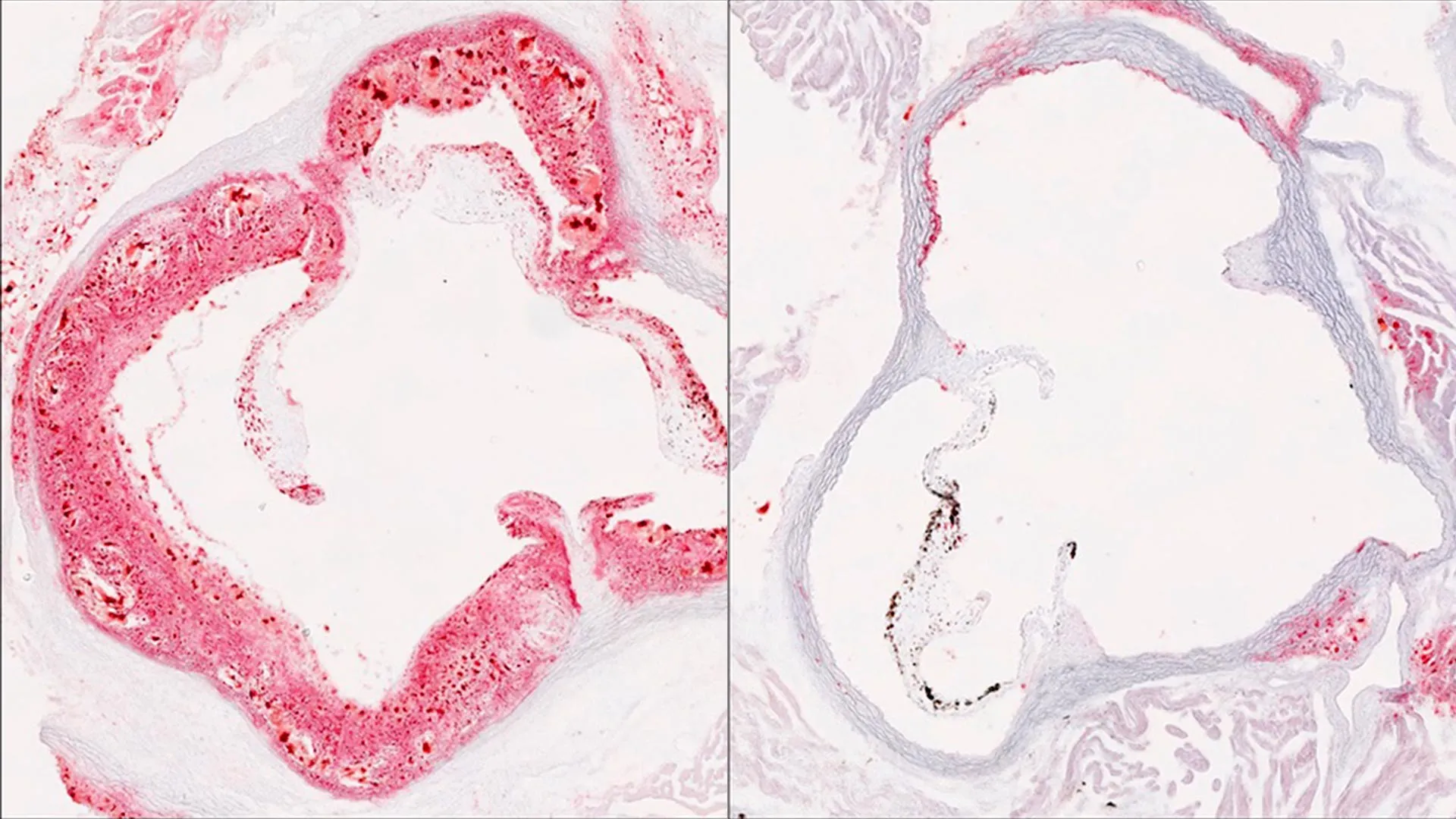
Photo: ScienceDaily
2026-05-25 07:06 Health 13 


Researchers Identify Liver Protein HELZ2 That Regulates Blood Cholesterol Production
Researchers at UT Southwestern Medical Center have identified a previously unknown regulatory protein in the liver, called HELZ2, that plays a central role in controlling how much cholesterol is released into the bloodstream.
The study, published in the journal Circulation, reveals that HELZ2 influences cholesterol levels by regulating the stability of APOB messenger RNA (mRNA), which contains the genetic instructions needed to produce apolipoprotein B (apoB).
ApoB is a key structural component of lipoproteins such as LDL, which transport cholesterol and fats through the body and are strongly associated with cardiovascular disease when present in excess.The researchers found that when HELZ2 activity increases, it accelerates the breakdown of APOB mRNA inside liver cells.This leads to reduced production of apoB proteins and fewer cholesterol-carrying lipoproteins entering the bloodstream.
In animal studies, mice with a gain-of-function mutation in HELZ2 showed lower levels of LDL cholesterol and triglycerides, as well as a reduced risk of atherosclerosis, the artery-clogging condition responsible for many heart attacks and strokes.
However, this protective effect came with a trade-off: increased fat accumulation in the liver, suggesting a balance between circulating cholesterol and liver fat storage.
Importantly, mice lacking the mutation showed the opposite effect, highlighting HELZ2 as a biological “dial” that shifts fat distribution between the bloodstream and the liver.Researchers believe this discovery could open a new therapeutic pathway for treating high cholesterol and fatty liver disease.
Unlike statins, which reduce cholesterol after it is produced, targeting HELZ2 would intervene earlier in the process by controlling gene expression at the RNA level.
This represents a potentially new class of treatments aimed at fine-tuning lipid metabolism and reducing cardiovascular risk while carefully managing liver health.
2241
Original title: Scientists discover hidden liver switch that cuts harmful cholesterol
The AI system has determined that this news is not clickbait/sensationalist: : The title is straightforward and accurately describes the scientific finding without exaggeration or sensational language. It reflects the content of the article without misleading claims. This has coincided with the opinion of the majority of users.
You may also be interested in...
Intermittent fasting linked to coordinated changes in gut bacteria and brain activity during weight loss
 WHO Reports First Recoveries in Congo’s Ebola Outbreak Amid Ongoing Health Crisis
 Physician questions frequency and interpretation of Trump’s cognitive screening results