
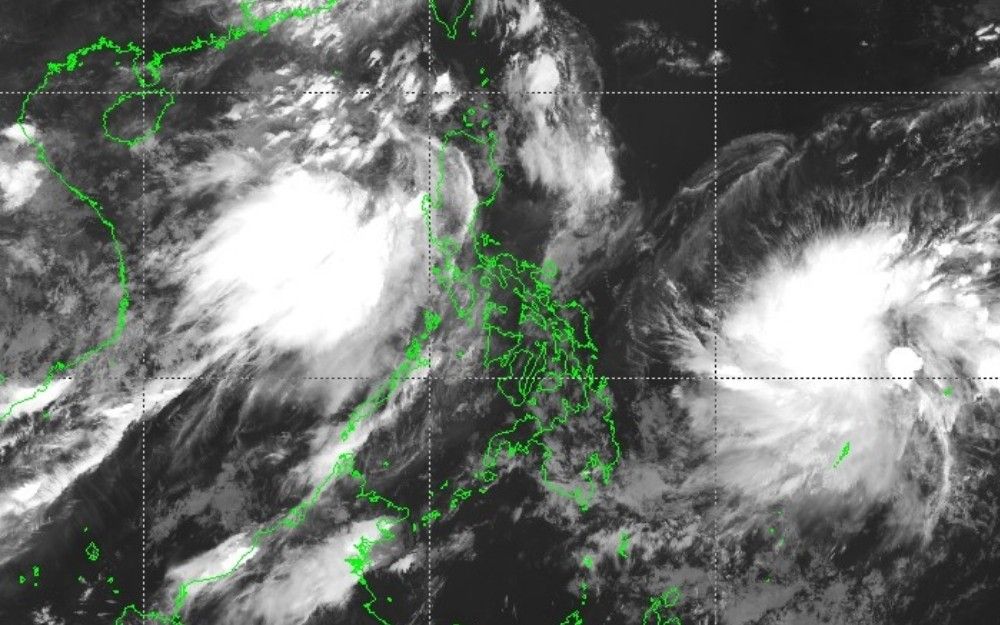
 Habagat rains expected to bring scattered showers over Metro Manila and Luzon
KillBait - News highlights delivered clearly and responsibly—no clickbait, no sensationalism

Photo: abs-cbn.com
2026-07-13 09:34 Environment 10


Central US Experiences Record-Breaking Heatwave
A severe heatwave has broken temperature records across the central United States, prompting widespread concerns about public health and infrastructure resilience.
The unprecedented weather event, characterized by prolonged periods of extreme heat, has led to power outages, wildfires, and heightened risks of heat-related illnesses.
Meteorological agencies have warned that the situation could worsen as the week progresses, with some regions expected to surpass historical temperature thresholds.
The National Weather Service has issued emergency alerts, urging residents to stay indoors, hydrate frequently, and avoid strenuous activities during peak heat hours.Local governments have deployed emergency crews to combat wildfires and provide cooling centers for vulnerable populations.
Scientists attribute the extreme conditions to a combination of climate change and persistent high-pressure systems that have trapped heat over the region.
The incident has sparked debates about the need for long-term climate adaptation strategies and infrastructure upgrades to withstand such extreme weather events.
Agence France-Presse reported that the heatwave has disrupted transportation networks and caused delays in critical services, highlighting the far-reaching impacts of the crisis.As temperatures continue to rise, experts emphasize the importance of community preparedness and policy reforms to mitigate future risks.
2186
Original title: Heat wave smashes records across central US
The AI system has determined that this news is clickbait/sensationalist: : The original title uses sensationalist language like 'smashes records' to grab attention, which is more clickbait than factual reporting. This has coincided with the opinion of the majority of users.
You may also be interested in...
Habagat rains expected to bring scattered showers over Metro Manila and Luzon
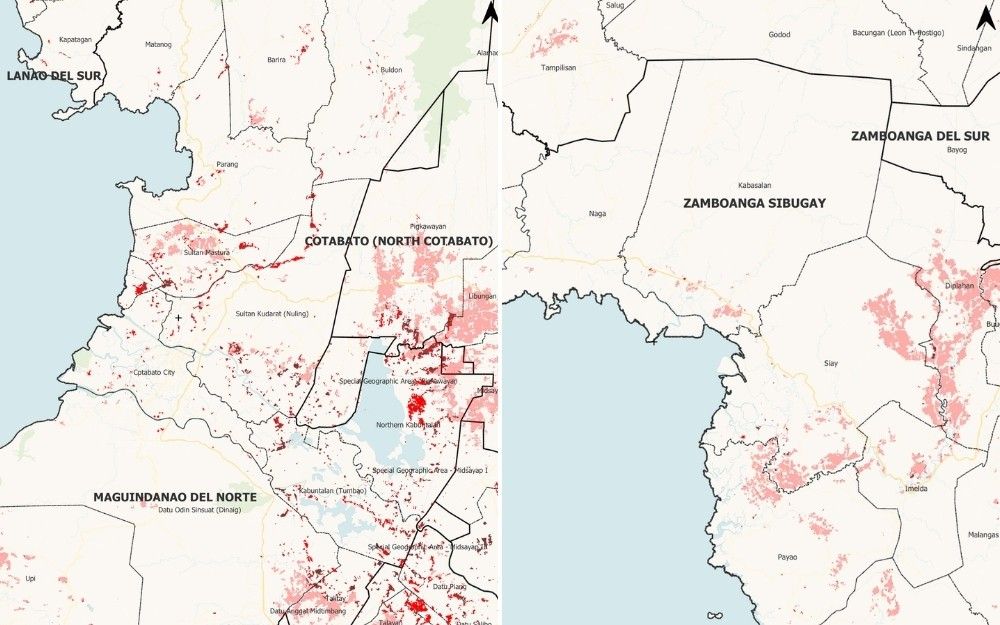 Satellite Data Reveals Severe Flooding in Mindanao After Typhoon Inday
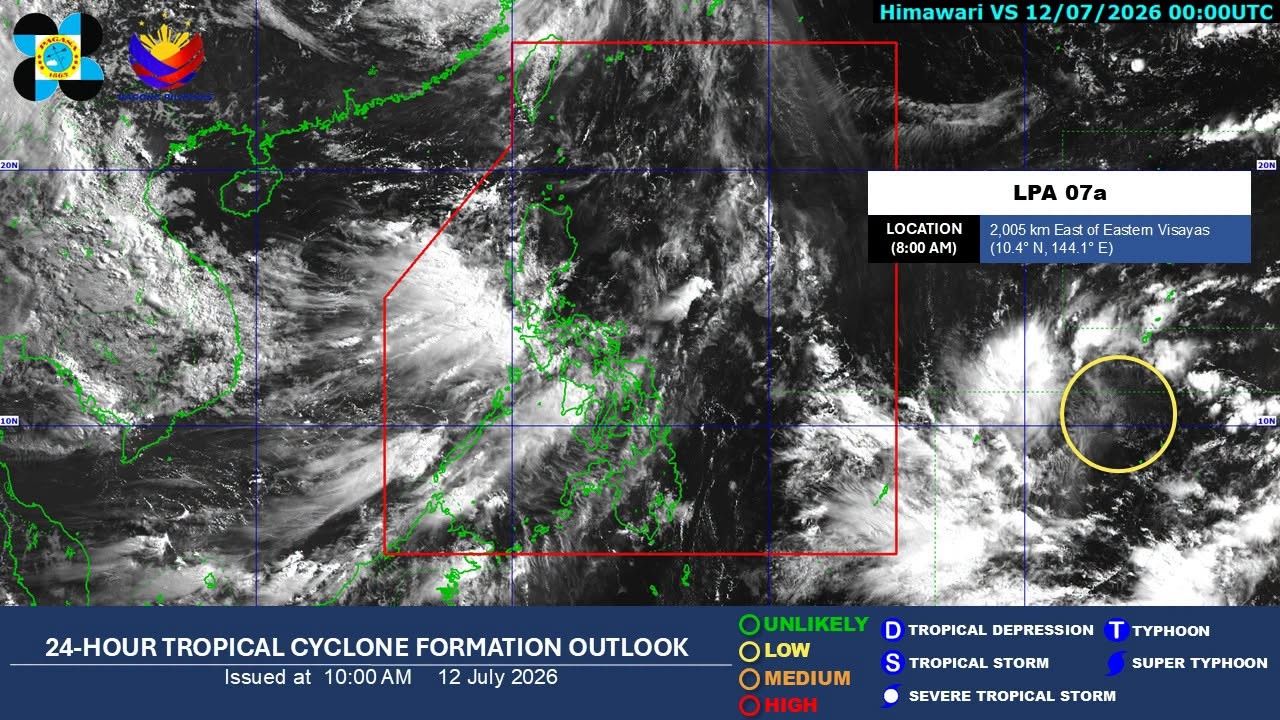 Habagat Monsoon Brings Rains as Inday Leaves PAR