
 Documentary explores Australia’s post-war Nazi immigration and contemporary threats
KillBait - News highlights delivered clearly and responsibly—no clickbait, no sensationalism
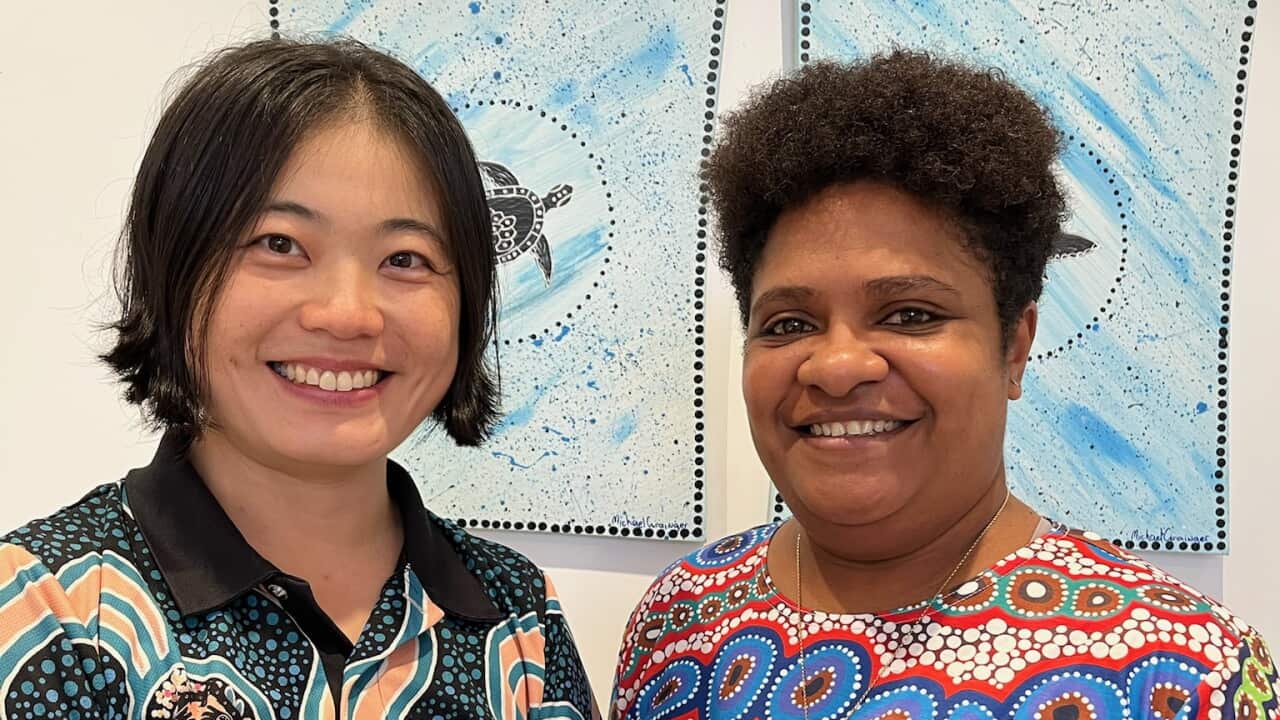
Photo: SBS Australia
2026-05-31 06:50 Society 10 


Challenges translating First Nations reconciliation concepts across multicultural Australia
The article explores how Australia’s National Reconciliation Week (NRW) is understood and communicated across multicultural communities, particularly when language and cultural context create barriers.Tiantian, a Chinese migrant who arrived in Australia in 2015, initially had only a limited understanding of First Nations issues and reconciliation.Over time, through her work as a social worker and engagement with Indigenous communities in Cairns, her awareness deepened.She began sharing information about NRW in Chinese, encouraging greater participation among her peers.However, Tiantian found that translating complex concepts such as “reconciliation” into Chinese was not straightforward.
Literal translations, such as “making peace”, fail to capture the historical and political depth tied to colonisation, systemic discrimination, and Indigenous experiences.
This highlights a broader issue: understanding First Nations history often requires cultural and contextual knowledge that does not easily transfer between languages.
Professor Jing Han from Western Sydney University emphasises that translation is not simply linguistic substitution but involves interpreting deeply embedded historical and cultural meanings.Her experience translating Indigenous literature revealed that many terms lack direct equivalents, requiring careful contextual explanation.
She also noted past issues, such as the 2023 Voice Referendum translation controversy, where wording choices led to misunderstandings within Chinese-speaking communities.Experts argue that improving understanding goes beyond translated materials.Community engagement, education, and potentially a national body to oversee consistent and accurate translations are seen as essential steps.
Reconciliation Australia has expanded multilingual resources and partnerships to reach culturally diverse communities, with surveys showing strong interest among multicultural Australians in supporting reconciliation.
Overall, the article underscores that meaningful participation in reconciliation requires more than access to translated words; it demands deeper cultural understanding and dialogue across languages.
2195
Original title: Australia talks about reconciliation — but how does it translate?
The AI system has determined that this news is not clickbait/sensationalist: : The title accurately reflects the article’s focus on reconciliation and translation challenges without exaggeration or sensationalism. This has coincided with the opinion of the majority of users.
You may also be interested in...
Documentary explores Australia’s post-war Nazi immigration and contemporary threats
 Blind date in London: Ailsa and Mike share dinner but no romantic spark
 NDIS transition prompts planned job cuts for early childhood disability coordinators in Victoria