
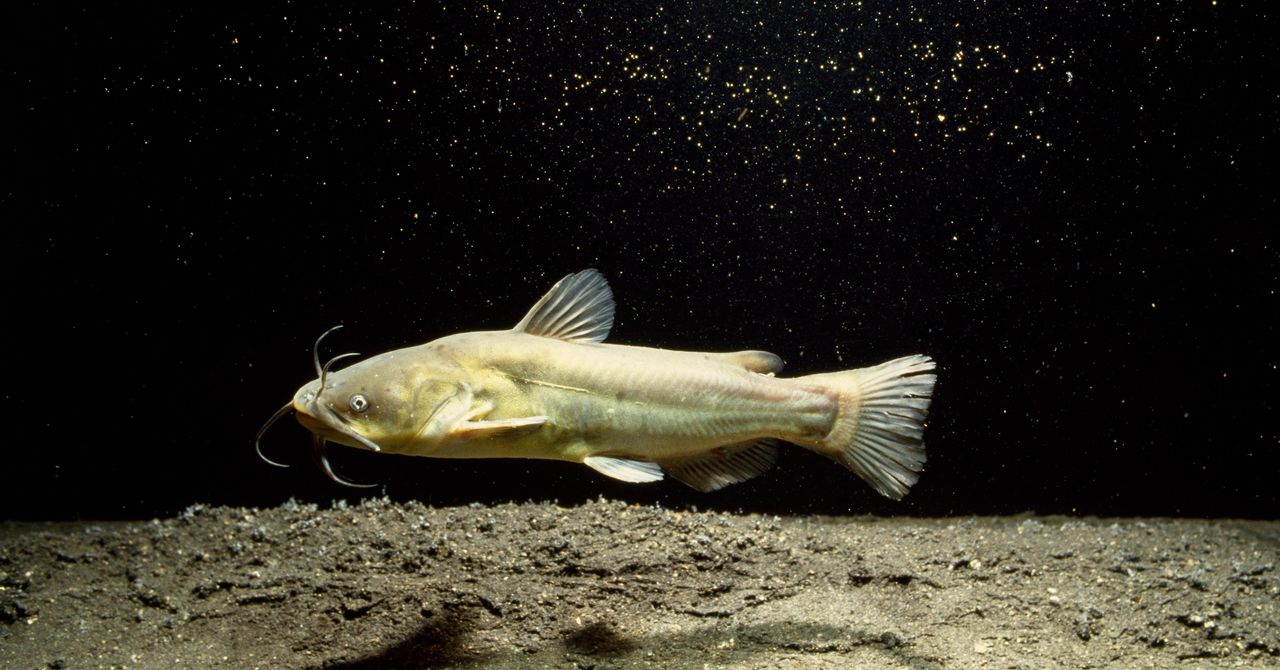
 Transmissible Cancer Discovered in North American Catfish
KillBait - News highlights delivered clearly and responsibly—no clickbait, no sensationalism

Photo: slashdot.org
2026-07-26 00:49 Science 11


China Advances Yak Cloning for Conservation and Agricultural Resilience
Chinese researchers are developing a cloning program to create over 100 'elite' yak clones in high-altitude labs in Tibet, aiming to enhance the species' resilience to climate change and habitat degradation.
The project, backed by significant government investment, seeks to produce yaks with improved traits like faster growth and greater size, addressing threats from warming temperatures and invasive plant species that are reducing wild yak populations.
While proponents argue cloning could complement traditional conservation efforts, critics warn it may divert attention from urgent environmental issues like deforestation and carbon emissions.Ethical concerns persist about the project's transparency and potential to prioritize technological solutions over habitat restoration.
The initiative reflects broader debates on synthetic biology's role in ecological preservation, with some experts advocating for its use to adapt species to changing environments while others caution against relying on genetic manipulation instead of addressing root causes of biodiversity loss.
2206
Original title: China is Creating a Herd of 100 Elite Yak Clones
The AI system has determined that this news is clickbait/sensationalist: : The original title uses hyperbolic language like 'Elite Yak Clones' and emphasizes a dramatic narrative, which is more sensationalist than factual. This has coincided with the opinion of the majority of users.
You may also be interested in...
Transmissible Cancer Discovered in North American Catfish
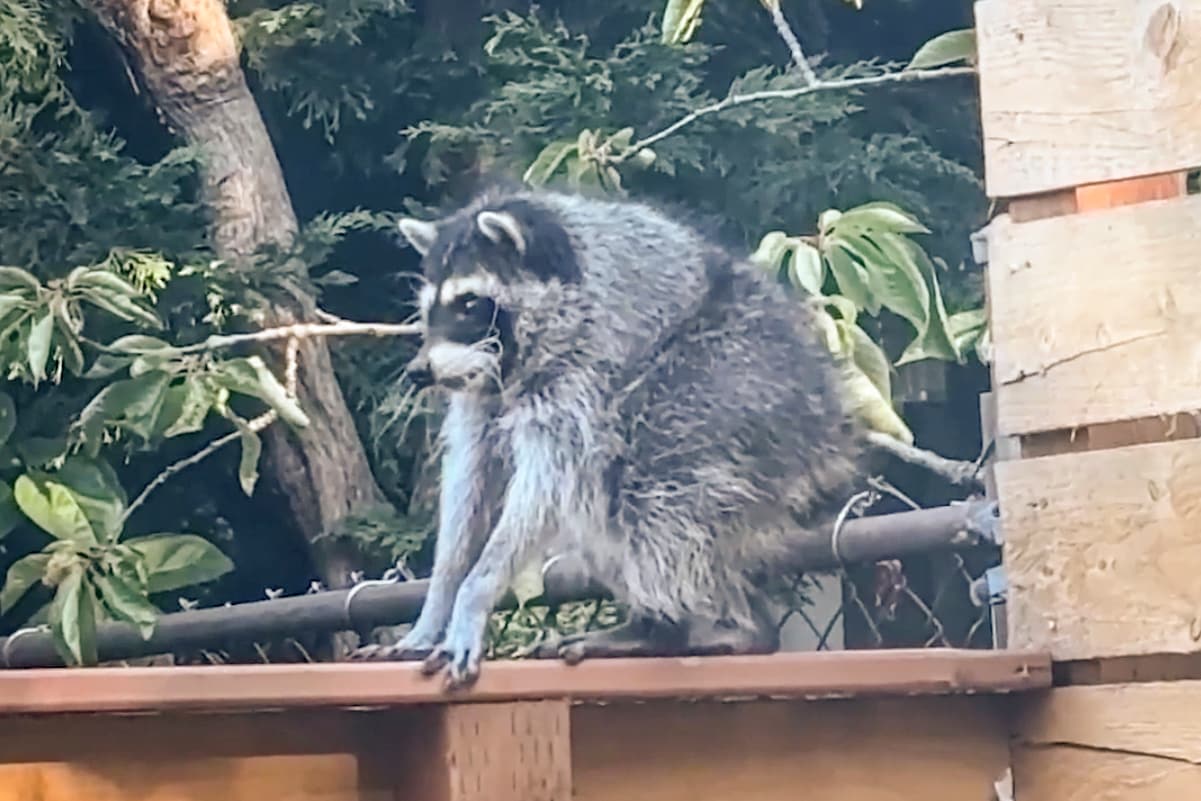 Raccoon with Spinal Condition Survives Thanks to Mother's Care
 Experimental Antiviral Shows Promise in Preventing Measles Transmission