
 Les Rencontres d’Arles 2026 Preview: Photography Reflects on Two Centuries of Image-Making
KillBait - News highlights delivered clearly and responsibly—no clickbait, no sensationalism
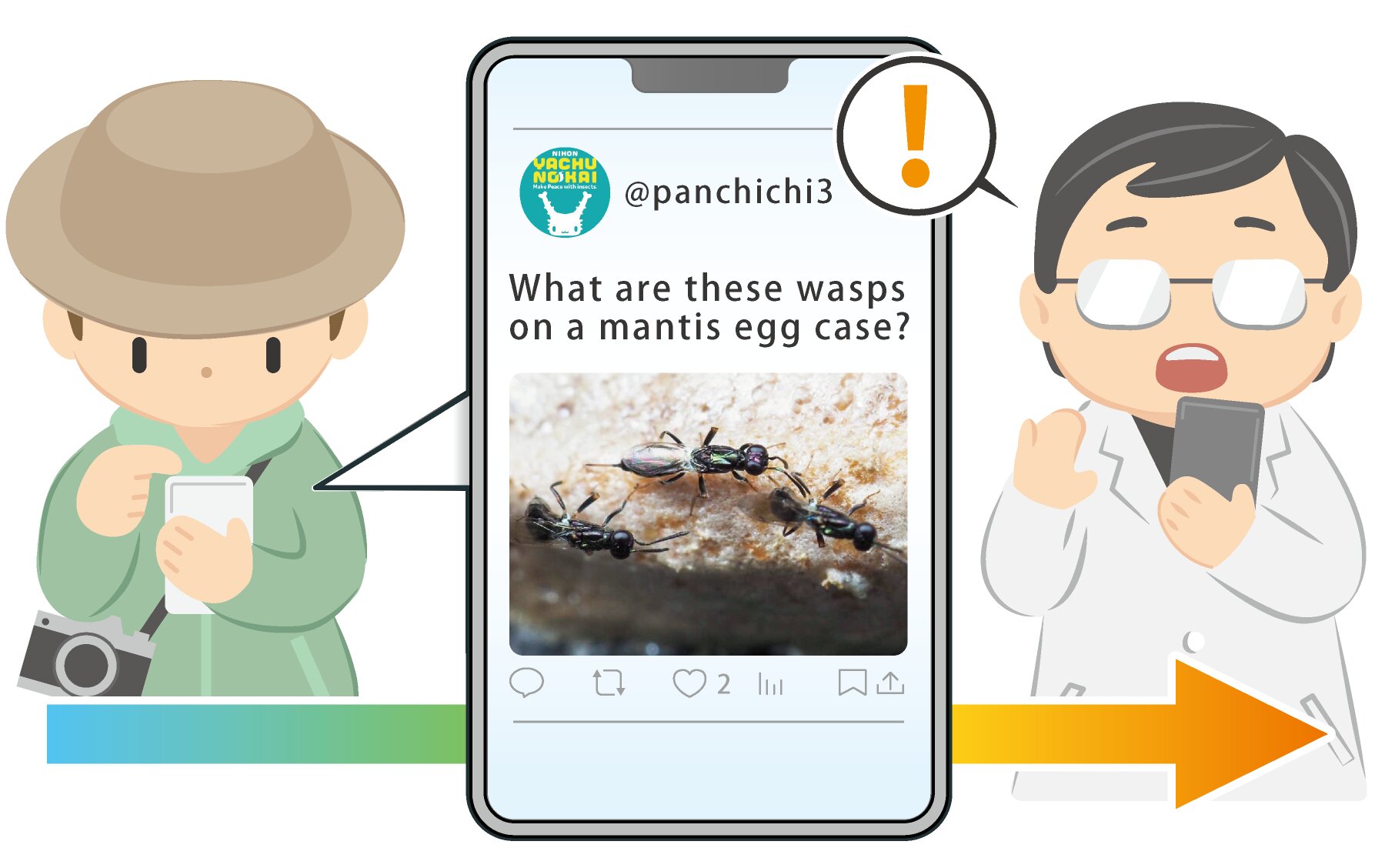
Photo: phys.org
2026-07-02 10:31 Science 10 


Citizen scientists and social media help identify a newly recorded parasitoid wasp in Japan
A recent study highlights how social media and citizen science contributed to the discovery of a previously unrecorded wasp species in Japan.Researchers from the Kyushu University Museum identified the insect, Eupelmus curvator, after observing photos shared on Twitter (now X) showing an unusual iridescent wasp interacting with mantis egg cases.
The images, initially posted by a nature enthusiast, were forwarded to scientists who recognized that the organism did not match known species commonly found in Japan.Further investigation confirmed that Eupelmus curvator, previously known only from China, had been recorded in Japan for the first time.
The discovery was especially significant because researchers were also able to formally describe the male of the species, which had not been scientifically documented before.
The wasp is a parasitoid that lays its eggs inside the oothecae (egg cases) of praying mantises, specifically targeting the Narrow-winged Mantis (Tenodera angustipennis).In some cases, a single mantis egg case produced dozens of wasps, drastically reducing the number of surviving mantis offspring.
The research underscores the growing role of “digital collecting,” where scientists use online platforms to identify and retrieve biological observations shared by the public.Citizen scientists provided not only images but also physical specimens through direct communication with researchers.
This allowed for detailed study, including advanced imaging techniques to document the wasp’s tiny anatomy, as individuals measure only a few millimeters in length.The findings demonstrate that even in well-studied regions like Japan, significant biodiversity discoveries remain possible.
They also highlight how social media platforms are expanding the reach of ecological research by increasing the number of field observations available to scientists and enabling faster collaboration between professionals and the public.
2186
Original title: Scrolling for science: How a Twitter post discovered a new wasp in Fukuoka, Japan
The AI system has determined that this news is not clickbait/sensationalist: : The original title is descriptive and accurately reflects the content of the article without sensational language or exaggeration. This has coincided with the opinion of the majority of users.
You may also be interested in...
Les Rencontres d’Arles 2026 Preview: Photography Reflects on Two Centuries of Image-Making
 Rescue operations underway in Kyiv after major Russian missile strike damages residential areas
 Universal Limits Influencer Access to Early Screenings of Christopher Nolan’s The Odyssey, Favoring Traditional Press