
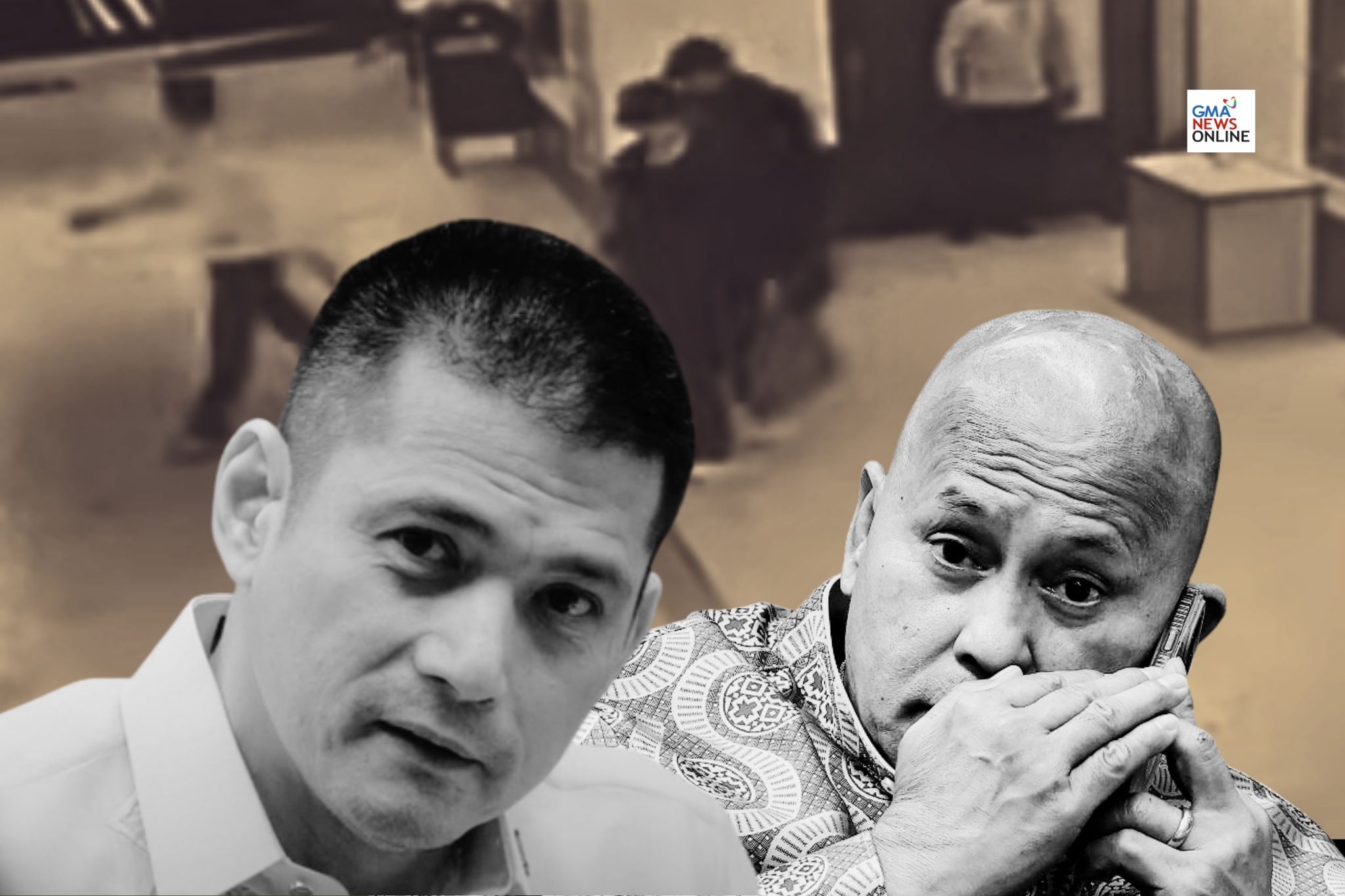
 Robin Padilla pushes for online Senate participation for Bato dela Rosa amid ICC arrest warrant
KillBait - News highlights delivered clearly and responsibly—no clickbait, no sensationalism

Photo: RAPPLER
2026-05-29 02:35 Politics 10 


Concerns persist despite revisions to Sandro Marcos’ anti-disinformation bill
The revised version of House Bill No.9645, also known as the Digital Media Anti-False Information Act, authored by Majority Leader Sandro Marcos, has advanced in the Philippine House of Representatives after undergoing significant changes aimed at addressing concerns over free speech and potential abuse.
The updated measure removes the commonly used term “fake news” and instead focuses on the more technical concept of “disinformation,” defined in terms of deliberate and malicious intent to mislead the public and cause verifiable harm or threaten national security.The bill introduces stricter safeguards by raising the legal threshold for prosecution.
It now requires proof of actual knowledge of falsity or reckless disregard for truth, intent to cause harm, and a clear link to public harm or national security threats.It also explicitly exempts ordinary users who simply like, share, or repost content without knowledge of its falsity and malicious intent.
Additionally, it protects legitimate forms of expression such as satire, journalism, academic discourse, political commentary, whistleblowing, and artistic expression.Despite these safeguards, critics remain unconvinced.
Media practitioners, lawmakers from progressive blocs, and civil society actors argue that the measure could still be used to suppress dissent, especially given broad interpretations of terms like “national security” and “public harm.
” Concerns also persist about the Department of Information and Communications Technology’s expanded role in content regulation, platform oversight, and accrediting researchers and dispute resolution bodies.
The bill also imposes obligations on digital platforms, requiring transparency reports, local representation in the Philippines, and stricter monitoring of coordinated inauthentic behavior such as troll farms and AI-manipulated content.Penalties for violations include fines of up to ₱2 million and imprisonment of up to 12 years.
While proponents argue that the measure is necessary to combat harmful online disinformation and protect public order, critics warn that its broad provisions and enforcement mechanisms may still lead to a chilling effect on free expression and be susceptible to political weaponization.
2186
Original title: Sandro Marcos’ anti-disinfo bill is revised but fears linger
The AI system has determined that this news is not clickbait/sensationalist: : The original title is straightforward and descriptive, accurately reflecting the content of the article without sensational language or exaggerated claims. It clearly states the subject (the revised anti-disinformation bill) and the ongoing concern, without attempting to provoke emotional reaction or click-driven framing. This has coincided with the opinion of the majority of users.
You may also be interested in...
Robin Padilla pushes for online Senate participation for Bato dela Rosa amid ICC arrest warrant
 Senate appoints Marcoleta and Jinggoy Estrada as vice chairpersons of Blue Ribbon Committee
 Senate minority bloc lacks enough members to push leadership change