
 Former political aide files lawsuit over alleged dating app catfishing and covert recordings
KillBait - News highlights delivered clearly and responsibly—no clickbait, no sensationalism
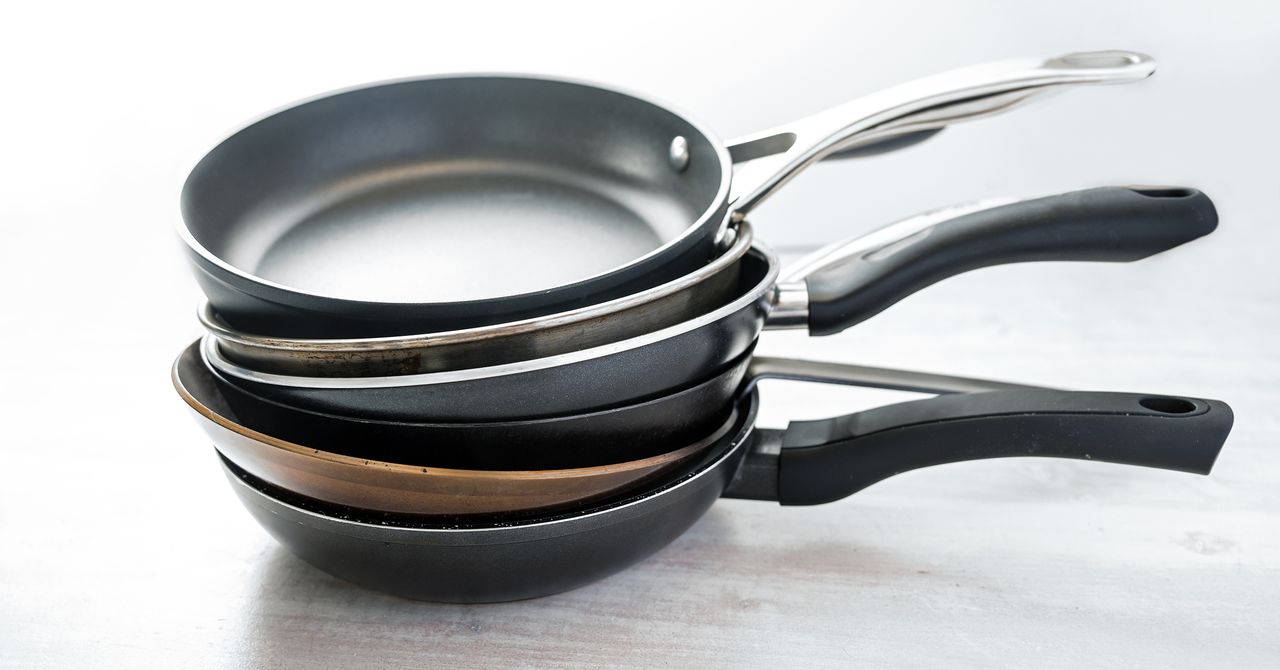
Photo: WIRED
2026-05-27 06:09 Justice 25 


Cookware Companies Clash Over PFAS Advertising Claims and Chemical Safety
The cookware industry is facing a growing legal and public relations dispute centered on per- and polyfluoroalkyl substances (PFAS), commonly known as “forever chemicals,” used in nonstick cookware.
A lawsuit filed in the Southern District of New York by major cookware manufacturers Groupe SEB USA and Meyer targets Caraway, a newer brand known for marketing its products as “PFAS-free” and “nontoxic.
” The plaintiffs argue that Caraway’s advertising is misleading, harms consumer perception, and damages the reputation of traditional nonstick cookware products, which often rely on PTFE, a type of PFAS considered safe under normal cooking conditions.
Caraway disputes these claims, arguing that its marketing complies with guidance from the National Advertising Division (NAD), an industry self-regulatory body.
The NAD had previously allowed Caraway to continue using terms like “nontoxic” and “PFAS-free,” while advising it to avoid certain comparative claims suggesting that conventional nonstick cookware releases toxins under normal use.Caraway maintains that any outdated or problematic advertisements cited in the lawsuit were due to technical errors and are no longer in use.The dispute also reflects broader tensions in the cookware industry and regulatory landscape.
Industry-backed groups such as the Cookware Sustainability Alliance have opposed state-level bans on PFAS in consumer products, while advocates and newer brands push for PFAS-free alternatives.Celebrity chefs and industry partners have also been drawn into the debate over legislation in states like California.At the center of the controversy is the scientific and regulatory understanding of PFAS and PTFE.
While some PFAS compounds have been linked to health risks and environmental persistence, manufacturers argue that PTFE used in cookware is stable and safe under normal cooking temperatures.Critics and researchers, however, point to gaps in scientific research regarding long-term exposure and high-heat emissions.
The case highlights how advertising law, chemical safety debates, and evolving consumer expectations are converging, with potential implications for how cookware products are marketed and regulated in the future.
2397
Original title: The Cookware Industry Has a Major Fight Brewing Over PFAS Claims
The AI system has determined that this news is not clickbait/sensationalist: : The original title is descriptive and fact-based, summarizing an ongoing industry dispute without sensational language or emotional framing, so it is not clickbait. This has coincided with the opinion of the majority of users.
You may also be interested in...
Former political aide files lawsuit over alleged dating app catfishing and covert recordings
 Questions raised over New Mexico officials' handling of former prosecutor linked to Jeffrey Epstein
 New lawsuit challenges Trump-era $1.8B anti-weaponization fund linked to January 6 prosecutions