
 Healthy Fat Loss Linked to Diabetes Risk
KillBait - News highlights delivered clearly and responsibly—no clickbait, no sensationalism
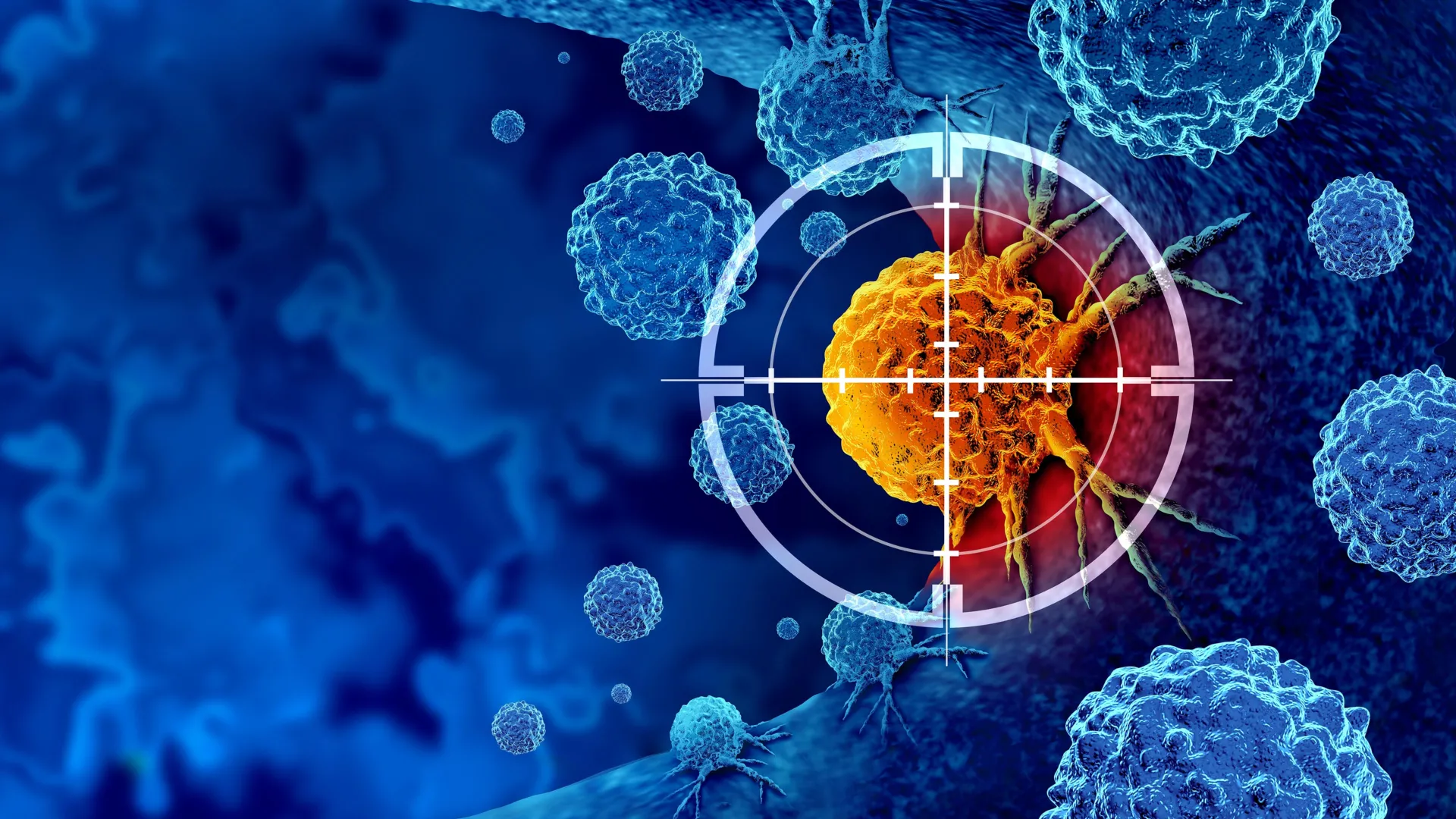
Photo: ScienceDaily
2026-07-27 01:35 Science 11


CRISPR Breakthrough Enhances Immunotherapy Efficacy Against Prostate Cancer
Scientists have developed an experimental CRISPR-based RNA targeting technology that significantly improves the effectiveness of immunotherapy for prostate cancer.Prostate tumors are typically 'immune cold,' meaning they resist immune system attacks by repelling T cells.
Researchers modified RNA in cancer cells using CRISPR, making tumors more visible to immune cells and enhancing their ability to destroy cancerous tissue.
In laboratory studies, this approach dramatically improved responses to immune checkpoint therapy in mice by restoring the MHC-1 complex, which acts as a molecular signal for T cells to recognize tumors.The treatment re-lengthened shortened mRNA that produces SPSB1 protein, reducing its levels and allowing the MHC-1 complex to return.This innovation could potentially be applied to other 'immune-cold' cancers like pancreatic cancer.
The findings, published in ScienceDaily, highlight a major advancement in cancer immunotherapy by addressing tumor resistance mechanisms through genetic modification.
2208
Original title: CRISPR makes prostate cancer vulnerable to immunotherapy
The AI system has determined that this news is not clickbait/sensationalist: : The original title is straightforward and accurately reflects the scientific breakthrough without sensationalism. This has coincided with the opinion of the majority of users.
You may also be interested in...
Healthy Fat Loss Linked to Diabetes Risk
 Three Astronauts Successfully Return from Space Station After 241 Days in Orbit
 Understanding Entropy Through Probability and Thermodynamics