
 Tanzania introduces home UTI self-test kit to support early detection and timely care
KillBait - News highlights delivered clearly and responsibly—no clickbait, no sensationalism
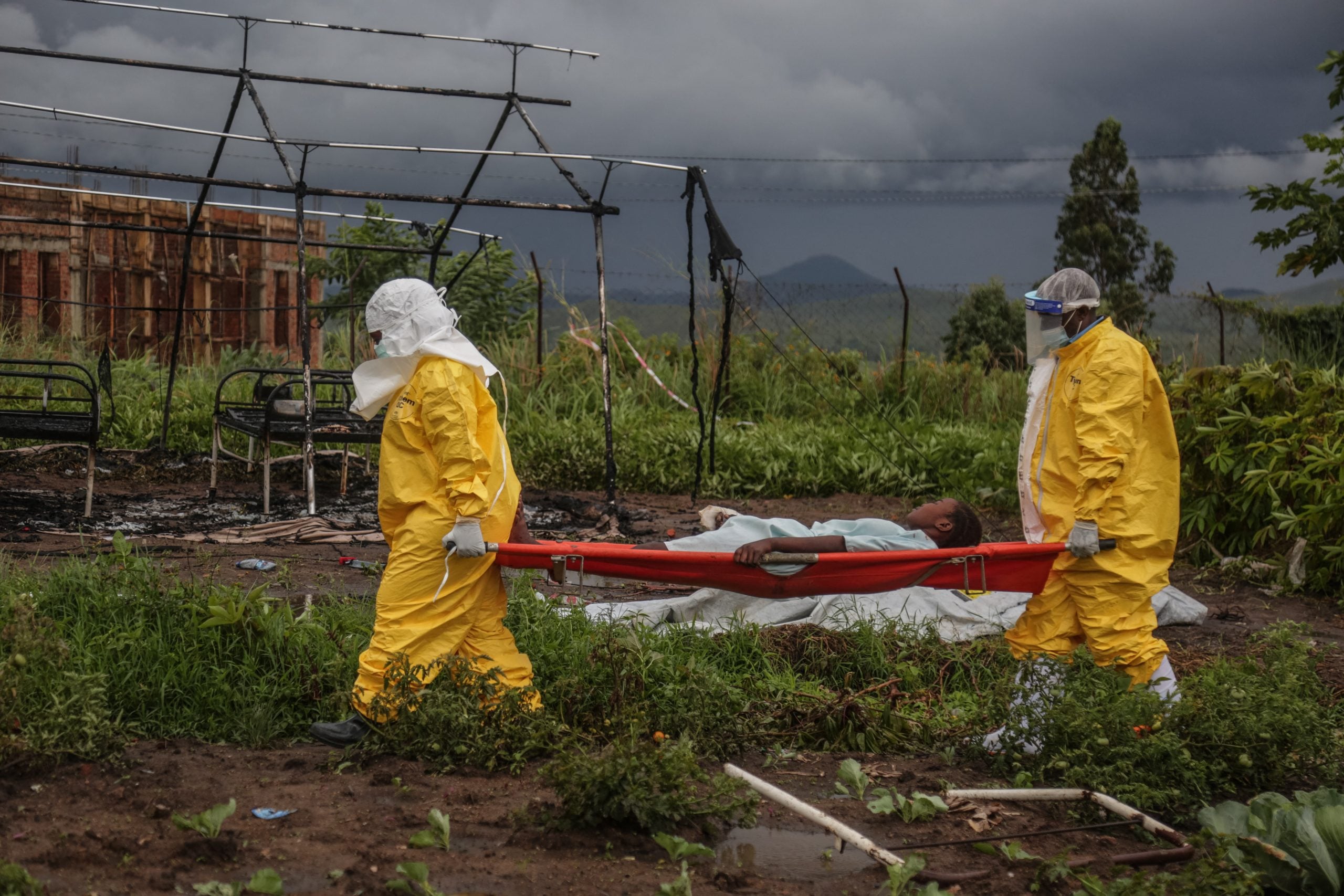
Photo: The Africa Report
2026-07-03 14:47 Health 10 


Debate over USAID funding cuts intensifies after Lancet report on global mortality, with criticism directed at Elon Musk
The article discusses growing international controversy following a report associated with The Lancet that links reductions in USAID funding to a large number of global deaths, estimated at around 14 million.The report has triggered strong political and public reactions, especially in Washington, where debates over foreign aid policy have intensified.
According to the narrative, the anniversary of USAID’s weakening or dismantling has brought renewed attention to the consequences of cutting global health assistance programs.
Elon Musk, described as a major influential figure in technology and global discourse, has come under criticism due to his earlier remarks about reducing or dismantling parts of government aid systems, including USAID.The article suggests that these statements are now being re-evaluated in light of the alleged human cost highlighted by the Lancet-linked findings.
Critics argue that reducing international aid funding can have severe consequences on vulnerable populations, especially in developing regions that rely heavily on health and humanitarian assistance.
On the other hand, allies of the Donald Trump administration and supporters of aid cuts have pushed back strongly against these claims, questioning both the methodology and the political framing of the report.They argue that aid systems require reform and that spending should be more efficient and accountable.
The story highlights a broader geopolitical and ethical debate over the role of wealthy nations in global health support, the influence of private individuals on public policy narratives, and the real-world impact of funding decisions.It also reflects ongoing tensions in U.S.politics regarding foreign assistance, accountability, and global responsibility in health crises affecting Africa and other regions.
Full reading at The Africa Report
2186
Original title: Musk under fire as Lancet links USAID cuts to 14 million deaths
The AI system has determined that this news is clickbait/sensationalist: : The original title uses highly sensational language by linking a public figure to a very large death toll figure (14 million), which strongly provokes emotional reaction and may oversimplify complex causal claims, making it partially clickbait in tone. This has coincided with the opinion of the majority of users.
You may also be interested in...
Tanzania introduces home UTI self-test kit to support early detection and timely care
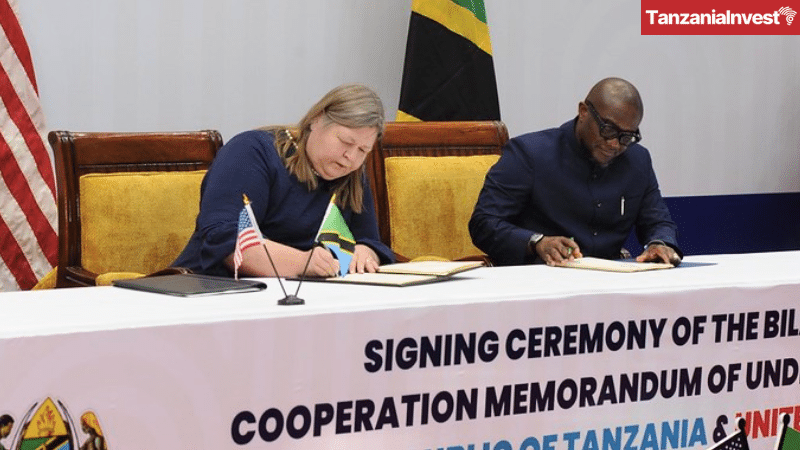 Tanzania–US sign five-year USD 3.1 billion health cooperation agreement to improve healthcare system
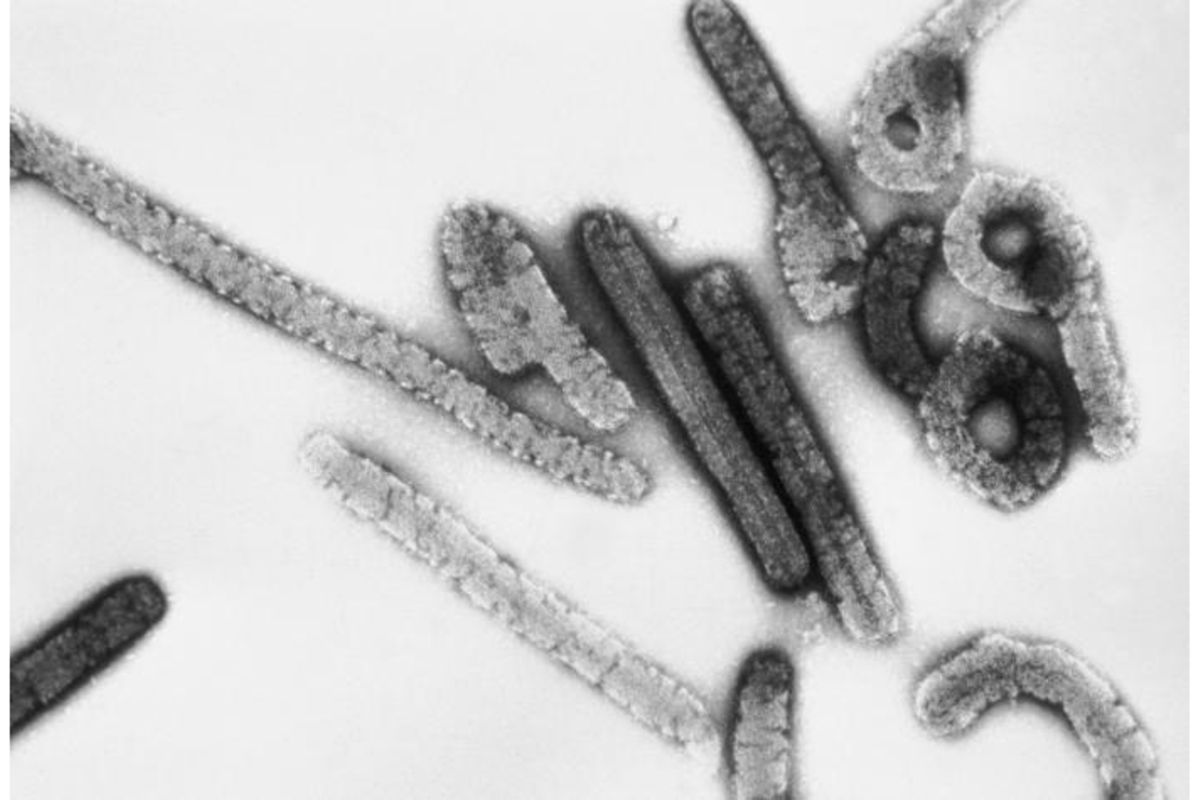 Uganda reports isolated Marburg virus case detected during surveillance, Africa CDC confirms