
 TWAD Board mandates regular water quality testing and infrastructure improvements in Virudhunagar district
KillBait - News highlights delivered clearly and responsibly—no clickbait, no sensationalism
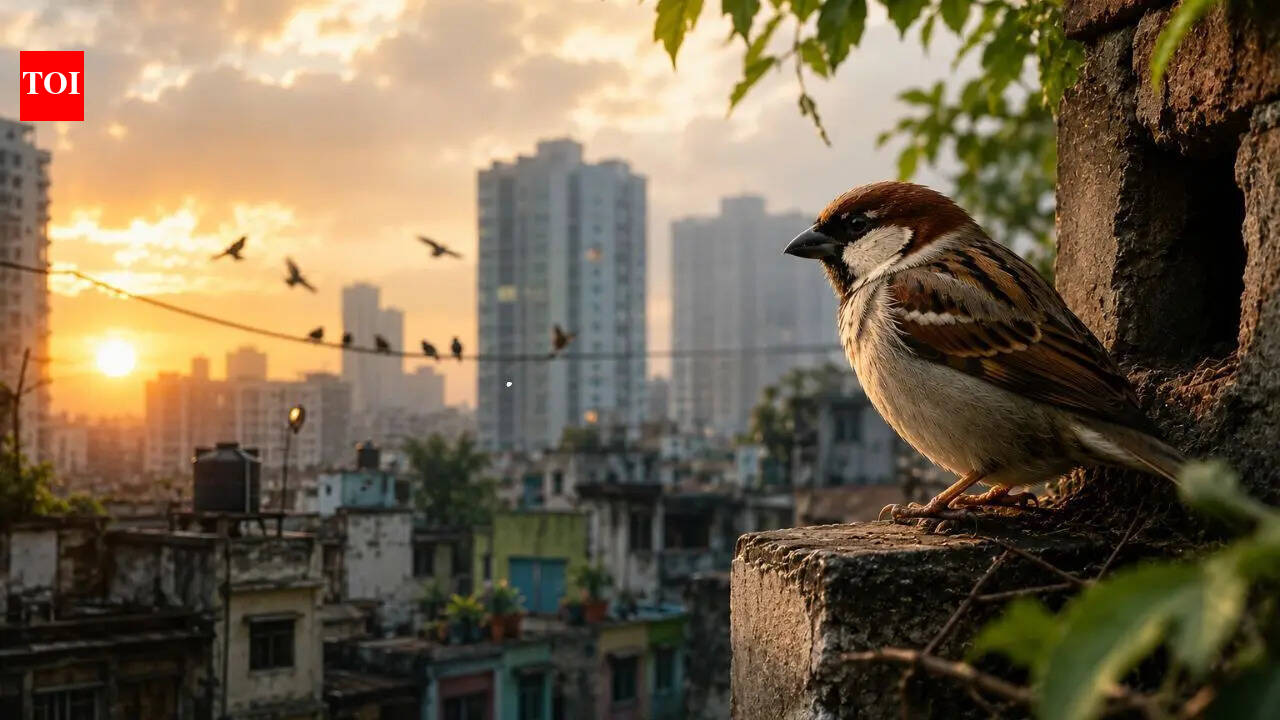
Photo: The Times of India
2026-06-06 14:18 Environment 10 


Decline of House Sparrows in Urban India and Efforts to Restore Their Habitat
The article highlights the sharp decline of house sparrows across urban India and globally, pointing to changing city environments as the primary cause.
Once a common presence in homes and neighbourhoods, sparrows are now disappearing from modern cities due to loss of nesting spaces, reduced food sources, and environmental changes.
Traditional buildings with ventilators, tiled roofs, and small crevices provided ideal nesting conditions, but contemporary glass-and-concrete structures are sealed and inhospitable.Urban landscaping has also eliminated hedges, mud patches, and open water sources that sparrows depend on.Food scarcity is another major factor.Sparrows rely on seeds and insects, especially to feed their chicks.However, increased pesticide use and cleaner, sanitised urban spaces have drastically reduced insect populations.Air pollution and possible effects of unleaded fuel byproducts further impact their survival.Additionally, competition from pigeons, crows, and invasive species, along with predation by cats, has made urban environments more hostile.
Despite the decline, sparrows continue to survive in older, densely built neighbourhoods where mixed-use spaces and less manicured surroundings still support biodiversity.The article emphasises that sparrows are ecologically important, helping control pests and potentially reducing disease transmission risks.Encouragingly, several grassroots initiatives across Indian cities are showing positive results.
Campaigns in Hyderabad, Mumbai, Chennai, and Mysuru have introduced nest boxes, feeders, and awareness programmes, leading to a gradual return of sparrows.
Experts suggest simple actions such as installing nest boxes, leaving water and food, planting native vegetation, and allowing some natural, unmanicured spaces.
The broader message is that small, conscious changes in urban planning and individual behaviour can help restore habitats and bring sparrows back into daily life.
Full reading at The Times of India
2187
Original title: The bird that woke us up has fallen silent. Can we bring back the Sparrow's chirp?
The AI system has determined that this news is clickbait/sensationalist: : The title uses emotional and nostalgic language to attract attention rather than directly stating the issue of sparrow decline and urban habitat loss. This has coincided with the opinion of the majority of users.
You may also be interested in...
TWAD Board mandates regular water quality testing and infrastructure improvements in Virudhunagar district
 IMD issues warning as dust storms and strong winds hit Delhi
 Allahabad High Court Criticises Police for Failing to Provide Grounds of Arrest, Grants Bail to Murder Accused