
 Stephanie O’Connor Explores Pregnancy and Microchimerism Through Composite Photography in The Waves Came in Like Horses
KillBait - News highlights delivered clearly and responsibly—no clickbait, no sensationalism
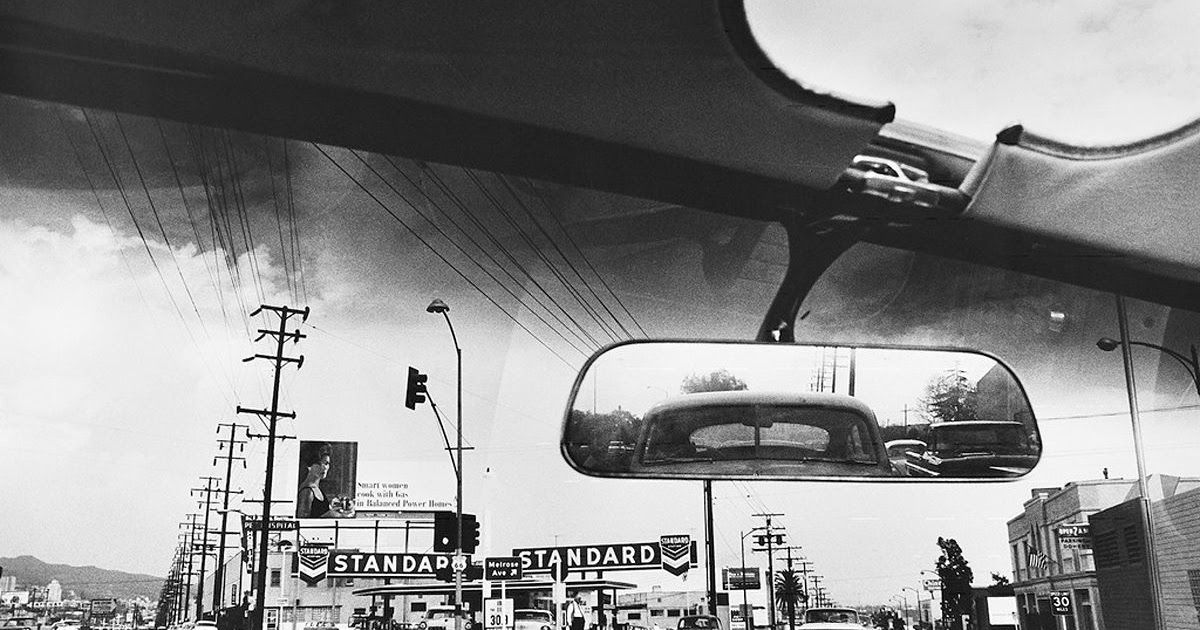
Photo: vintag.es
2026-05-21 20:12 Culture 22 


Dennis Hopper's Photographic Journey Through 1960s America
Before Dennis Hopper became known as a rebellious icon of New Hollywood and the director of 'Easy Rider,' he faced a period of professional blacklisting after a fallout with director Henry Hathaway.During this time, his wife, Brooke Hayward, gifted him a 28mm Nikon camera, which he carried everywhere throughout the 1960s.
Hopper’s photography captured candid, intimate moments of Hollywood stars, influential artists, musicians, and cultural movements with a commitment to realism.Rejecting flash and darkroom cropping, he produced raw, high-contrast black-and-white images that conveyed authenticity and immediacy.
His work documented iconic figures such as Paul Newman, Jane Fonda, Andy Warhol, and Tina Turner, while also providing historical glimpses into civil rights marches and Hells Angels gatherings.Hopper’s photographs from 1961 to 1967 offer a vivid visual record of American subcultures and the artistic and political landscapes of the decade.This period of photography informed his cinematic style, ultimately shaping the aesthetic and social realism of 'Easy Rider.' Hopper’s camera became both a creative outlet and a tool to immerse himself in transformative moments of American history and culture.
2351
Original title: Amazing Photography by Dennis Hopper in the 1960s
The AI system has determined that this news is not clickbait/sensationalist: : The original title accurately describes the content of the article without exaggeration or sensational language. This has coincided with the opinion of the majority of users.
You may also be interested in...
Stephanie O’Connor Explores Pregnancy and Microchimerism Through Composite Photography in The Waves Came in Like Horses
 Gray Malin’s ‘Art of Living’ Series Places Mid-Century Furniture on Floating Platforms in Bora Bora
 Photos Document Priscilla Beaulieu’s Teenage Years in West Germany Before Moving to Elvis Presley’s World