
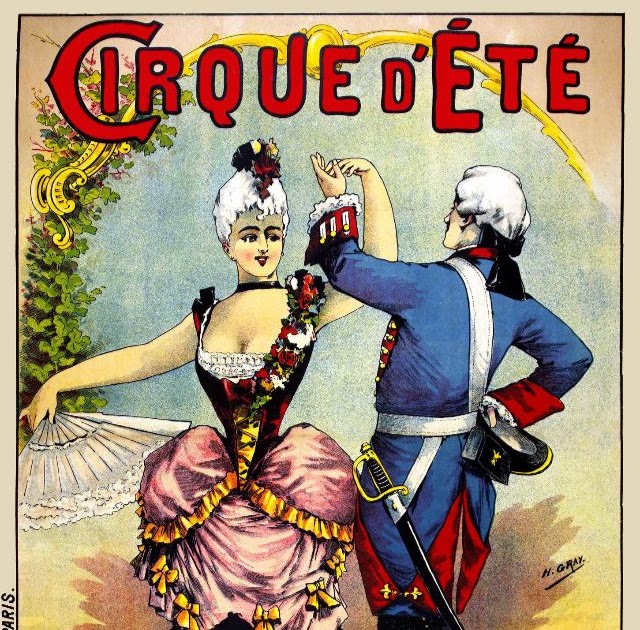
 A Retrospective of Henri Gray's Belle Époque Posters and Contributions to French Graphic Art
KillBait - News highlights delivered clearly and responsibly—no clickbait, no sensationalism
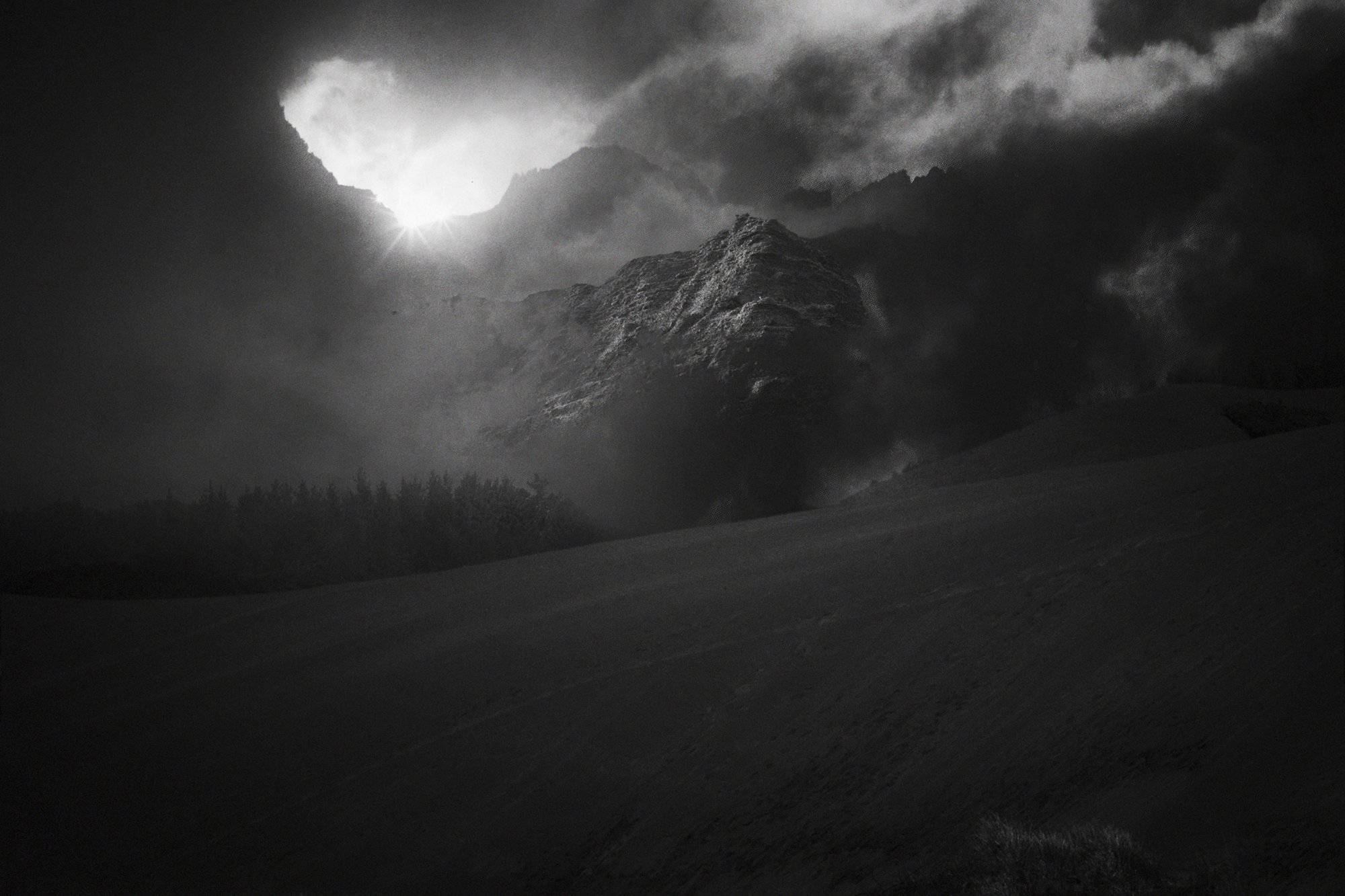
Photo: LensCulture
2026-05-28 16:14 Culture 17 


Stephanie O’Connor Explores Pregnancy and Microchimerism Through Composite Photography in The Waves Came in Like Horses
The LensCulture interview “The Waves Came in Like Horses” presents the photographic work of Stephanie O’Connor, a series that blends layered imagery to explore themes of pregnancy, identity, and bodily transformation.
Originally started during the COVID-19 lockdown, the project initially consisted of experimental composites made from old photographs, found negatives, and fragmented visual materials.At that stage, O’Connor set the work aside, feeling it lacked conceptual depth.The project gained new meaning years later when the artist became pregnant.During this period, she re-engaged with the earlier fragments, now experiencing them through the lens of bodily change and internal movement.
The sensations of pregnancy—described as shifting, kinetic, and at times unfamiliar—transformed how she approached image-making, infusing the work with emotional and physiological resonance.
Central to the project is the scientific concept of microchimerism, the phenomenon in which cells are exchanged between fetus and parent and can persist for decades.O’Connor uses this idea as a conceptual framework, translating it into visual form through composite photography.
Each image is constructed from multiple sources, including landscapes photographed in New Zealand, European imagery, archival negatives, and contemporary photographs taken during pregnancy.
Some compositions contain up to fifteen different visual fragments, resulting in hybrid, surreal forms that blur distinctions between organic bodies, landscapes, and abstract textures.In the interview, O’Connor explains that her process is intuitive and meditative, shaped by her background in post-production and compositing.
Rather than planning rigidly, she builds images by assembling fragments until they begin to feel coherent, like bodies or memories emerging from abstraction.The resulting visuals evoke a sense of the uncanny, reflecting her experience of pregnancy as both intimate and estranging.
The work ultimately highlights the porous boundaries between self and other, and the uncertainty of inhabiting a body undergoing profound transformation.
2301
Original title: The Waves Came in Like Horses
The AI system has determined that this news is not clickbait/sensationalist: : The original title is poetic and descriptive rather than sensational or misleading. It reflects the artistic tone of the work and does not exaggerate or misrepresent the content, so it is not considered clickbait. This has coincided with the opinion of the majority of users.
You may also be interested in...
A Retrospective of Henri Gray's Belle Époque Posters and Contributions to French Graphic Art
 BuzzFeed Publishes Personality Quiz Matching Readers With a Backrooms Character
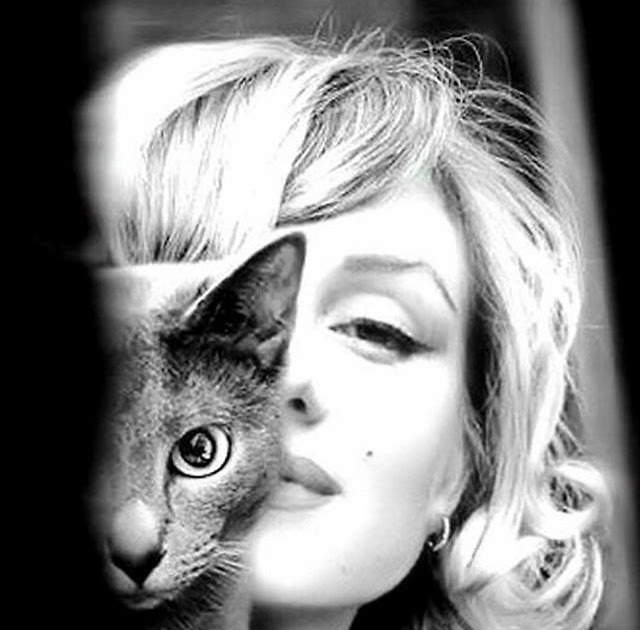 Marilyn Monroe and Her Cats: A Glimpse into the Star’s Love for Animals