
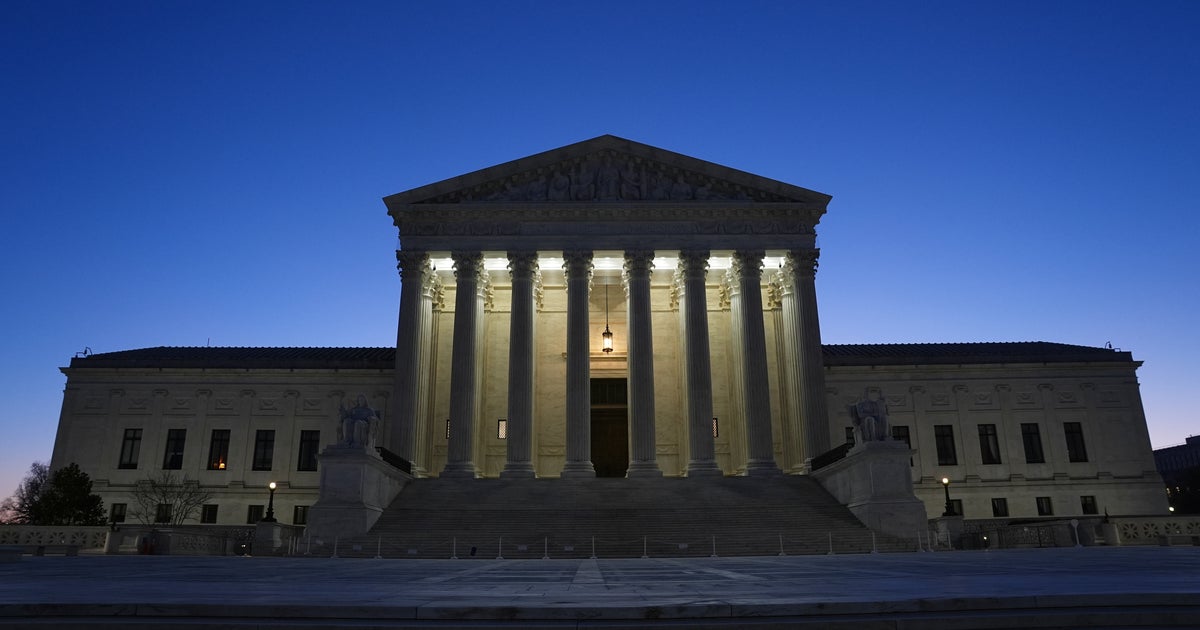
 Supreme Court rulings could reshape U.S. midterm elections through voting and campaign finance cases
KillBait - News highlights delivered clearly and responsibly—no clickbait, no sensationalism
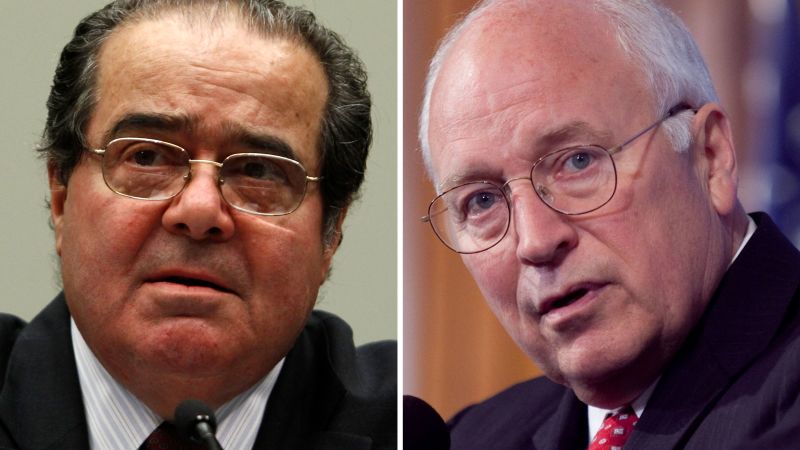
Photo: CNN
2026-06-01 12:22 Politics 11 


Documents Show Justice Scalia Influenced Supreme Court to Hear Cheney Energy Task Force Case
Newly released documents reveal that Justice Antonin Scalia played a decisive role in persuading the Supreme Court to hear a case involving then-Vice President Dick Cheney’s energy task force.
Originally, most justices had voted to reject Cheney's appeal to keep the task force’s politically sensitive records private, but Scalia repeatedly advocated for reconsideration, arguing the case raised fundamental separation-of-powers issues.
Three weeks after the Court agreed to hear the case, Scalia went on a long-planned duck hunting trip with Cheney, sparking a major ethics controversy and prompting the Sierra Club to formally request his recusal.Scalia refused, emphasizing that his impartiality could not reasonably be questioned and warning that recusal would harm the Court’s reputation.
The Supreme Court ultimately sided with Cheney in a 7-2 vote, shielding the Vice President and his aides from disclosing most of the task force’s records, despite criticism over potential conflicts of interest and the secretive case-selection process.These revelations highlight historical and ongoing debates about judicial ethics, executive power, and transparency in Supreme Court decision-making.
2208
Original title: Once-confidential documents reveal Scalia’s role in Supreme Court taking up famous Dick Cheney case
The AI system has determined that this news is not clickbait/sensationalist: : The original title accurately describes the content of the article and does not exaggerate or mislead; it simply reports that documents reveal Scalia’s involvement. This has coincided with the opinion of the majority of users.
You may also be interested in...
Supreme Court rulings could reshape U.S. midterm elections through voting and campaign finance cases
 Wall Street Journal criticizes Republicans for lack of response to Democrats' Supreme Court plans
 Supreme Court Justice Samuel Alito's Son Works as Attorney at Treasury Department During Trump Administration