
 Evaluating the Role of Wegovy in Addressing New Zealand’s Obesity Challenge
KillBait - News highlights delivered clearly and responsibly—no clickbait, no sensationalism
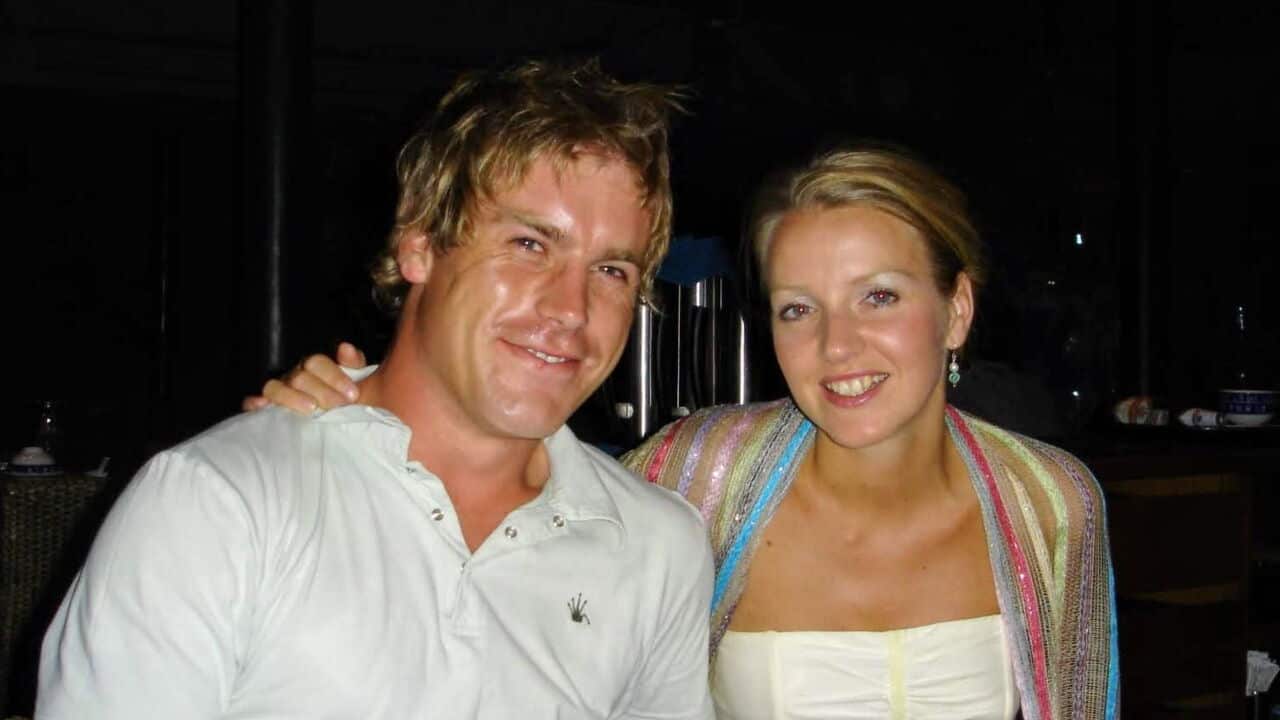
Photo: SBS Australia
2026-06-01 10:43 Health 10 


Early-onset dementia diagnosis highlights challenges in accessing support for Australian families
The article explores the lived experience of Lisa, who was diagnosed with Alzheimer’s disease, a form of dementia, at the age of 47.Her partner, Luke, describes a gradual but noticeable decline in her behaviour and engagement prior to diagnosis, including withdrawal from family life and social activities.Following the diagnosis, Luke became Lisa’s full-time carer while also raising their three young children.Over time, Lisa’s condition progressed to the point where she became immobile and non-verbal, making home care increasingly unsafe and unsustainable.
Luke details the emotional and administrative burden of navigating Australia’s support systems, particularly the National Disability Insurance Scheme (NDIS).
Although younger people with dementia can access the NDIS, he describes lengthy delays, extensive paperwork, and the need for persistent advocacy to secure appropriate care.At one stage, Lisa spent months in hospital and aged care before receiving suitable disability accommodation.Eventually, she was granted an NDIS package valued at approximately $1.3 million per year, which significantly improved her long-term care arrangements.
The story is set against broader context, noting that around 446,500 Australians live with dementia, including approximately 29,000 younger-onset cases.
Experts explain that dementia is a progressive condition with no cure, most commonly caused by Alzheimer’s disease, and that Australia’s ageing population is contributing to rising prevalence.
The article also discusses the distinction between the NDIS and aged care systems, with eligibility based largely on age thresholds, and highlights ongoing debate about funding sustainability and system design.Medical experts emphasise that while dementia is currently incurable, lifestyle and health factors may reduce risk.
Despite the challenges, carers and people living with dementia stress the importance of maintaining dignity, connection, and quality of life through appropriate support structures.
2186
Original title: When Lisa was diagnosed with dementia in her 40s, her partner Luke had to 'beg' for support
The AI system has determined that this news is clickbait/sensationalist: : The original title includes an unrelated promotional FIFA World Cup 2026 streaming claim alongside the actual article topic, which is a typical clickbait or sensational hook designed to attract attention rather than accurately reflect the story content. This has coincided with the opinion of the majority of users.
You may also be interested in...
Evaluating the Role of Wegovy in Addressing New Zealand’s Obesity Challenge
 Stranger Returns Mountain Bike After Heart Attack on Trail
 Nick Weickart honours his late friend through mental health awareness and The Push-Up Challenge