
 Early-onset dementia diagnosis highlights challenges in accessing support for Australian families
KillBait - News highlights delivered clearly and responsibly—no clickbait, no sensationalism
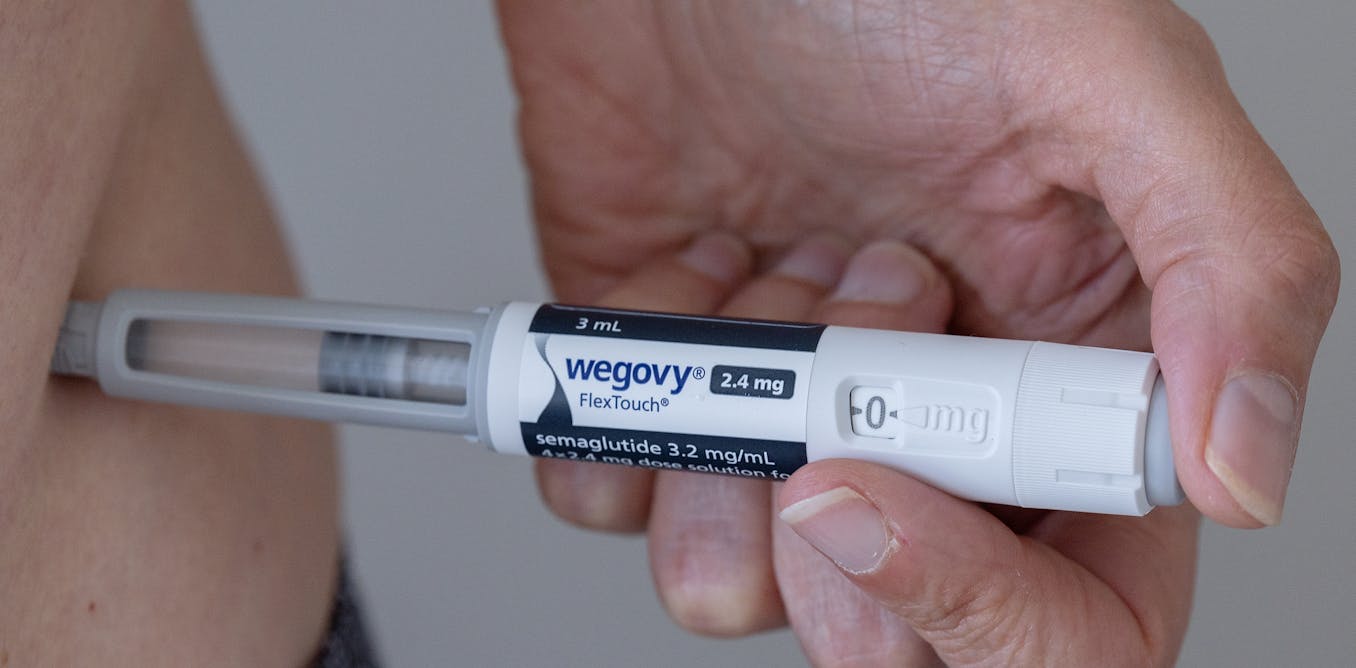
Photo: The Conversation
2026-05-31 22:54 Health 12 


Evaluating the Role of Wegovy in Addressing New Zealand’s Obesity Challenge
Wegovy, a medication based on semaglutide, has attracted significant attention in New Zealand due to its potential for substantial weight loss.The drug works by regulating appetite and blood sugar, helping people feel fuller for longer.Clinical trials indicate that, alongside lifestyle changes, participants can lose up to 15% of their body weight over around 68 weeks.
While this can reduce the risk of diabetes, heart disease, and other health issues, ongoing treatment is usually required, with weight often regained after stopping the drug.Side effects and long-term effects remain uncertain.
New Zealand has one of the highest obesity rates among developed nations, affecting both adults and children, with disproportionate impacts on Māori and Pacific communities due to socio-economic and environmental factors.
Factors such as the widespread availability of highly processed foods, aggressive marketing, and uneven school nutrition policies contribute to the problem.Local initiatives, like community 'food havens,' show how targeted interventions can improve access to healthy food.
Experts caution that while public funding for Wegovy may reduce long-term healthcare costs and improve equity, obesity is ultimately a systemic issue.
Addressing root causes—such as improving food environments, restricting unhealthy marketing, and tackling broader social inequalities—is necessary for lasting impact.Pharmaceutical solutions alone are unlikely to reverse New Zealand’s growing obesity epidemic.
Full reading at The Conversation
2224
Original title: Can Wegovy move the needle on NZ's obesity crisis, or simply treat its symptoms?
The AI system has determined that this news is not clickbait/sensationalist: : The original title raises a genuine question about the effectiveness of Wegovy in tackling NZ’s obesity crisis rather than exaggerating or sensationalising outcomes. This has coincided with the opinion of the majority of users.
You may also be interested in...
Early-onset dementia diagnosis highlights challenges in accessing support for Australian families
 Staff changes at JPMorgan’s Australian equities desk
 Australian farmers prepare for possible El Niño conditions amid growing climate change impacts