
 Canada Considers Permanent Daylight Saving Time After U.S. Bill Passes
KillBait - News highlights delivered clearly and responsibly—no clickbait, no sensationalism
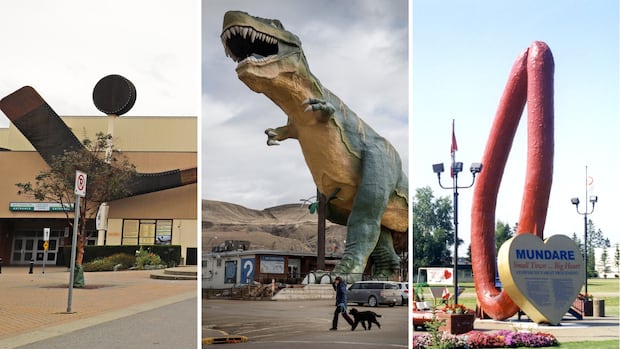
Photo: CBC
2026-07-16 18:22 Tourism 10


Economic Challenges and Future of Canada's Roadside Attractions
Canada's roadside attractions, such as giant dinosaurs and oversized sausages, have long been a source of quirky tourism.These landmarks, many built between the 1950s and 1970s alongside the Trans-Canada Highway, served as economic drivers by drawing visitors to small towns.However, rising maintenance costs and shifting tourism trends are now forcing communities to reconsider their value.
Experts like Wayne Smith note that these attractions historically generated revenue through gas sales, local businesses, and souvenirs, with families spending up to $150 per visit.Yet, as online discovery replaces physical roadside stops, towns face challenges in converting short visits into overnight stays.
The Drumheller dinosaur Tyra, a symbol of the 'Dinosaur Capital of the World,' faces uncertain future due to lease expiration and upkeep costs.
While some argue these monuments foster community pride and cultural identity—like the Ukrainian-themed giant sausage in Mundare—others question their sustainability.The debate highlights balancing economic viability with preserving unique cultural symbols.
2186
Original title: Giant dinosaurs, oversized sausages: Are Canada's roadside attractions worth keeping around?
The AI system has determined that this news is clickbait/sensationalist: : The original title uses hyperbolic language ('giant dinosaurs, oversized sausages') to sensationalize the topic, prioritizing shock value over substantive discussion of economic and cultural factors. This has coincided with the opinion of the majority of users.
You may also be interested in...
Canada Considers Permanent Daylight Saving Time After U.S. Bill Passes
 Advocates Push for Safer Drug Supply to Combat Overdose Crisis in Manitoba
 EU mandates Google to share search data and open Android for rival AI companies