
 1951 Atlas Babycar 2S: Rare French Post-War Microcar Design
KillBait - News highlights delivered clearly and responsibly—no clickbait, no sensationalism
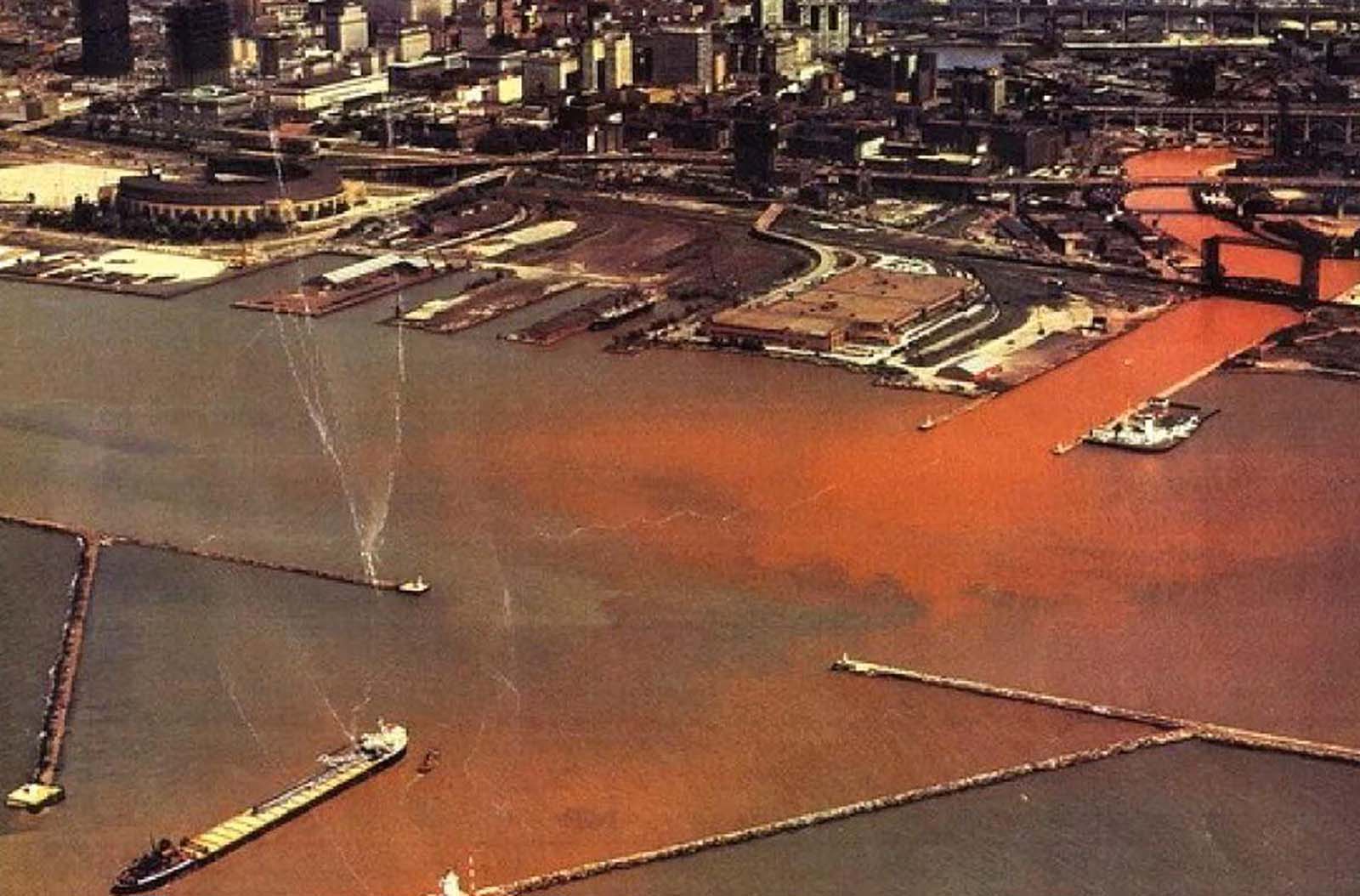
Photo: Rare Historical Photos
2026-07-02 08:14 Environment 27 


EPA Documerica Photographs Document Pollution and Daily Life Along the Ohio River in the 1970s
In the early 1970s, the Ohio River stood at a crossroads between industrial prosperity and severe environmental degradation.Serving as a major commercial waterway for the Midwest, the river supported shipping traffic carrying coal, steel, chemicals, and other essential goods, while also supplying drinking water, recreation, and economic livelihoods for millions of residents along its banks.
At the same time, it suffered heavy pollution from factories, power plants, municipalities, and mining operations that discharged untreated or partially treated waste directly into the water.The article highlights a series of color photographs taken during this period, many by photographer William Strode III as part of the U.S.Environmental Protection Agency’s Documerica project.
Launched in 1971, this initiative aimed to visually document environmental conditions across the United States and the relationship between Americans and their changing landscapes.
Strode, an accomplished photojournalist with a career spanning major national publications, captured scenes that revealed both the beauty and degradation of life along the river.
Images from the era show industrial pollution, smog, littered urban areas, and contaminated waterways, alongside everyday life such as boating, camping, steamboats, and community activities.
The Ohio River also experienced alarming incidents, including chemical hazards and evacuations, underscoring the public health risks tied to pollution.
The article places these images within the broader context of the emerging environmental movement, which led to the creation of the EPA in 1970 and the Clean Water Act in 1972.
Over time, coordinated cleanup efforts by government agencies and industries gradually improved water quality, leading to ecological recovery in many sections of the river.Fish populations rebounded, recreation increased, and conditions became significantly better than those documented in the early 1970s.
Full reading at Rare Historical Photos
2394
Original title: Color Photos Capture Life and Pollution Along the Ohio River in the Early 1970s
The AI system has determined that this news is not clickbait/sensationalist: : The title is descriptive and accurately reflects the content of the article, which focuses on historical photographs documenting pollution and life along the Ohio River, without sensationalism or exaggerated claims. This has coincided with the opinion of the majority of users.
You may also be interested in...
1951 Atlas Babycar 2S: Rare French Post-War Microcar Design
 House Rules Committee Blocks Vote on Amendment to Limit US-Israel Military Cooperation, Drawing Criticism
 Statue of Anubis Discovered in Tutankhamun’s Tomb During 1922 Carter Expedition