
 Fashion Photography of Arik Népo in the Early 1950s
KillBait - News highlights delivered clearly and responsibly—no clickbait, no sensationalism
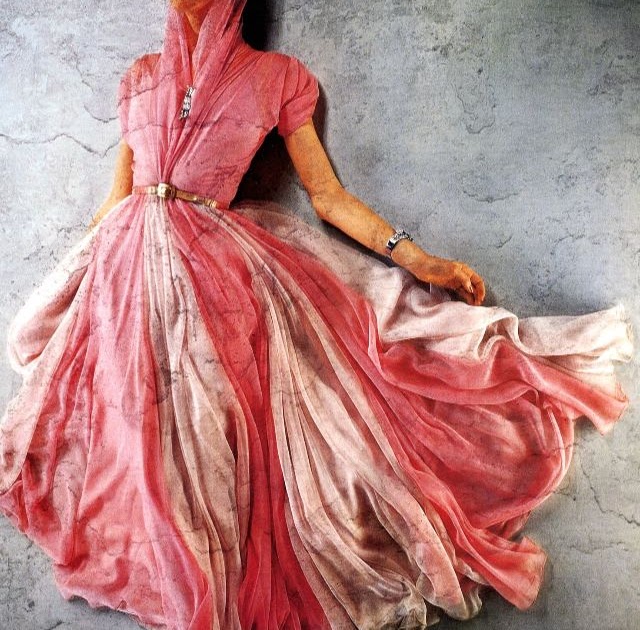
Photo: vintag.es
2026-05-23 12:10 Fashion 16 


Erwin Blumenfeld and the Surrealist Revolution in Mid-Century Fashion Photography
Erwin Blumenfeld (1897–1969) was a German-American photographer whose innovative approach to fashion imagery helped redefine visual aesthetics in the mid-20th century.Deeply influenced by Dadaism and Surrealism, he treated photography as an experimental art form rather than a simple means of documentation.
During his work with major publications such as Vogue and Harper’s Bazaar, Blumenfeld introduced radical techniques including solarization, multiple exposures, dramatic color filtration, and extreme cropping.These methods gave his images a dreamlike, often unsettling quality that distinguished them from conventional fashion photography of the time.
His work frequently explored themes of identity, femininity, and psychological complexity, shaped in part by his experiences surviving both World Wars.
Blumenfeld became especially known for his ability to merge commercial fashion demands with avant-garde artistic expression, elevating editorial photography to the level of fine art.
Among his most iconic contributions is the 1950 Vogue cover known as the “Doe Eye,” which reduced the human face to a minimalist, graphic composition emphasizing abstraction and form.
Throughout the 1940s and 1950s, he produced a wide range of editorial and advertising images featuring prominent models and haute couture designs from leading fashion houses such as Dior, Cartier, and Mainbocher.
His photographs often featured striking poses, surreal lighting, and experimental composition, contributing to a new visual language in fashion media.
Today, Blumenfeld is remembered as a pioneer who bridged avant-garde art and commercial photography, leaving a lasting influence on both fashion photography and modern visual culture.
2285
Original title: Erwin Blumenfeld: The Surrealist Visionary of Fashion Photography
The AI system has determined that this news is not clickbait/sensationalist: : The original title is descriptive and informational, clearly stating the subject and his significance without sensational language or misleading claims. This has coincided with the opinion of the majority of users.
You may also be interested in...
Fashion Photography of Arik Népo in the Early 1950s
 Vintage Fashion Portraits of Model Ludmila Feodoseyevna (“Lud”) in the 1930s and 1940s
 Karseell Collagen and Argan Oil Hair Mask Available at Discount for Frizz Control