
 Trump Says U.S. Could Target Iranian Oil Infrastructure and Seek Control of Key Energy Assets
KillBait - News highlights delivered clearly and responsibly—no clickbait, no sensationalism
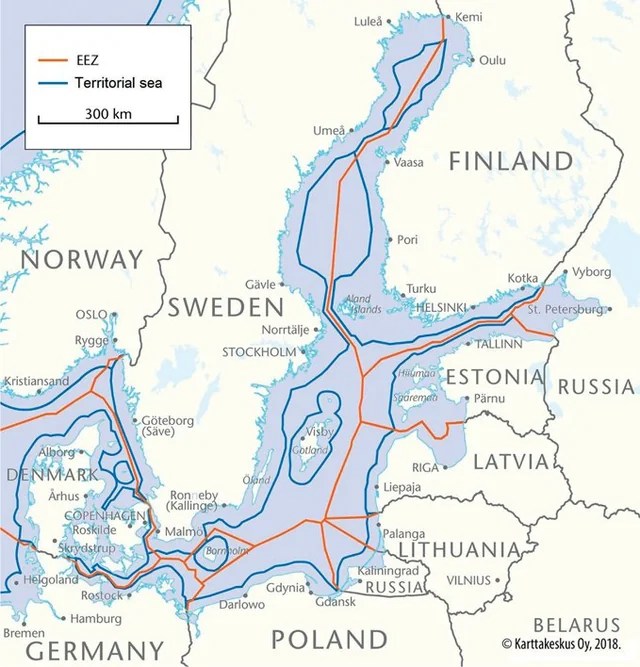
Photo: Rafael Poch de Feliu
2026-06-04 16:16 Geopolitics 51 


Escalating Geopolitical Tensions in the Baltic Sea Region Between NATO and Russia
The Baltic Sea region is currently viewed by security experts as one of the highest-risk areas for potential direct conflict between NATO and Russia.The article highlights how NATO's eastward expansion has transformed the Baltic Sea into what is effectively a NATO-controlled body of water, with the alliance controlling approximately 92% of the coastline.Russia's access remains limited to small stretches near Kaliningrad and St.Petersburg.Key flashpoints include the strategic vulnerability of St.
Petersburg at the end of the Gulf of Finland, surrounded by NATO members Finland and Estonia, and the Russian enclave of Kaliningrad, which is geographically isolated within NATO territory.The Suwalki Gap between Poland and Lithuania represents another critical chokepoint that could lead to rapid escalation in a crisis.
The author notes provocative actions such as Ukrainian drones using Baltic airspace for strikes on Russian targets, raising concerns about neutrality violations.Statements from Lithuanian officials and U.S.commanders about potential strikes on Kaliningrad have further heightened tensions.
Historical context is provided, including the Soviet withdrawal from the Baltic states in the early 1990s and the complex legacies of World War II collaboration.The piece warns that aggressive posturing by Baltic states, combined with NATO activities, risks dragging Europe into a larger conflict.
It calls for de-escalation, diplomacy, demilitarization of sensitive areas, and better integration of Russian minorities to reduce pretexts for intervention.
Overall, the analysis portrays the region as a powder keg where multiple interconnected issues could ignite a broader confrontation in the context of global power realignment.
Full reading at Rafael Poch de Feliu
2520
Original title: Ojo al espacio Báltico, la mecha del polvorín se acorta
The AI system has determined that this news is clickbait/sensationalist: : The original title uses dramatic metaphorical language like 'mecha del polvorín' (fuse of the powder keg) to create urgency and alarm, which is characteristic of clickbait even though the content is a serious analysis. This has coincided with the opinion of the majority of users.
You may also be interested in...
Trump Says U.S. Could Target Iranian Oil Infrastructure and Seek Control of Key Energy Assets
 Lawmakers dispute Trump’s claim about secret oil transit in the Strait of Hormuz
 US Inflation Rises to 4.2 Percent in May Due to Oil Disruptions from Iran Conflict