
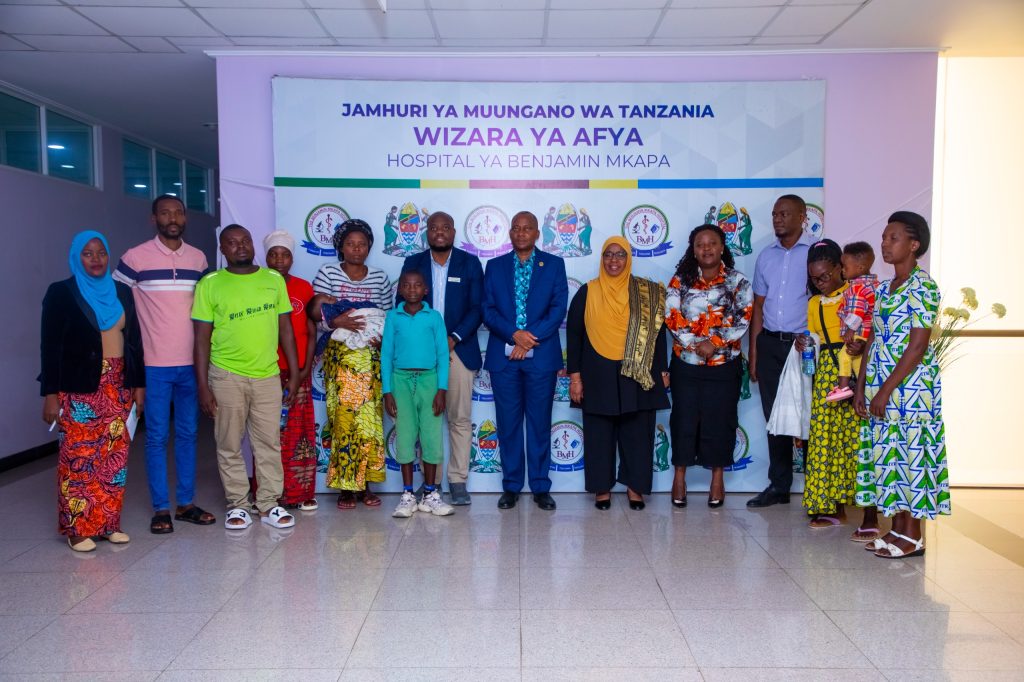
 Tanzania's Hospitals Perform Successful Heart Surgeries on Burundian Children, Marking Regional Medical Milestone
KillBait - News highlights delivered clearly and responsibly—no clickbait, no sensationalism

Photo: Tanzania Insight
2026-07-10 20:19 Health 10


Essential Guidelines for Women Preparing for Cesarean Delivery
Cesarean sections, commonly known as C-sections, have become a common method of childbirth worldwide.While this procedure can be life-saving for both mother and child in certain circumstances, it requires careful preparation and understanding of factors that influence successful outcomes.
Medical professionals emphasize the importance of preoperative assessments to identify underlying health conditions like hypertension, diabetes, or blood clotting disorders.Proper nutrition is vital for healing and recovery, with recommendations for adequate protein intake and hydration.Mental and emotional preparation is also crucial, as many women experience anxiety about undergoing major abdominal surgery.The choice of anesthesia—such as regional blocks or general anesthesia in emergencies—must be carefully considered.Postoperative care includes pain management, wound care, and monitoring for infections.Healthcare providers stress the need for follow-up checkups to ensure proper healing.The World Health Organization recommends cesarean rates between 10-15% of all births, though many countries exceed this.Recovery typically takes six to eight weeks, requiring family support and comprehensive postpartum care.
Full reading at Tanzania Insight
2187
Original title: Key Considerations for Women Undergoing Cesarean Section Delivery
The AI system has determined that this news is not clickbait/sensationalist: : The original title is straightforward and informative, focusing on medical considerations rather than sensationalizing the topic. This has coincided with the opinion of the majority of users.
You may also be interested in...
Tanzania's Hospitals Perform Successful Heart Surgeries on Burundian Children, Marking Regional Medical Milestone
 Tanzania Urged to Boost Research Investments for Health Solutions
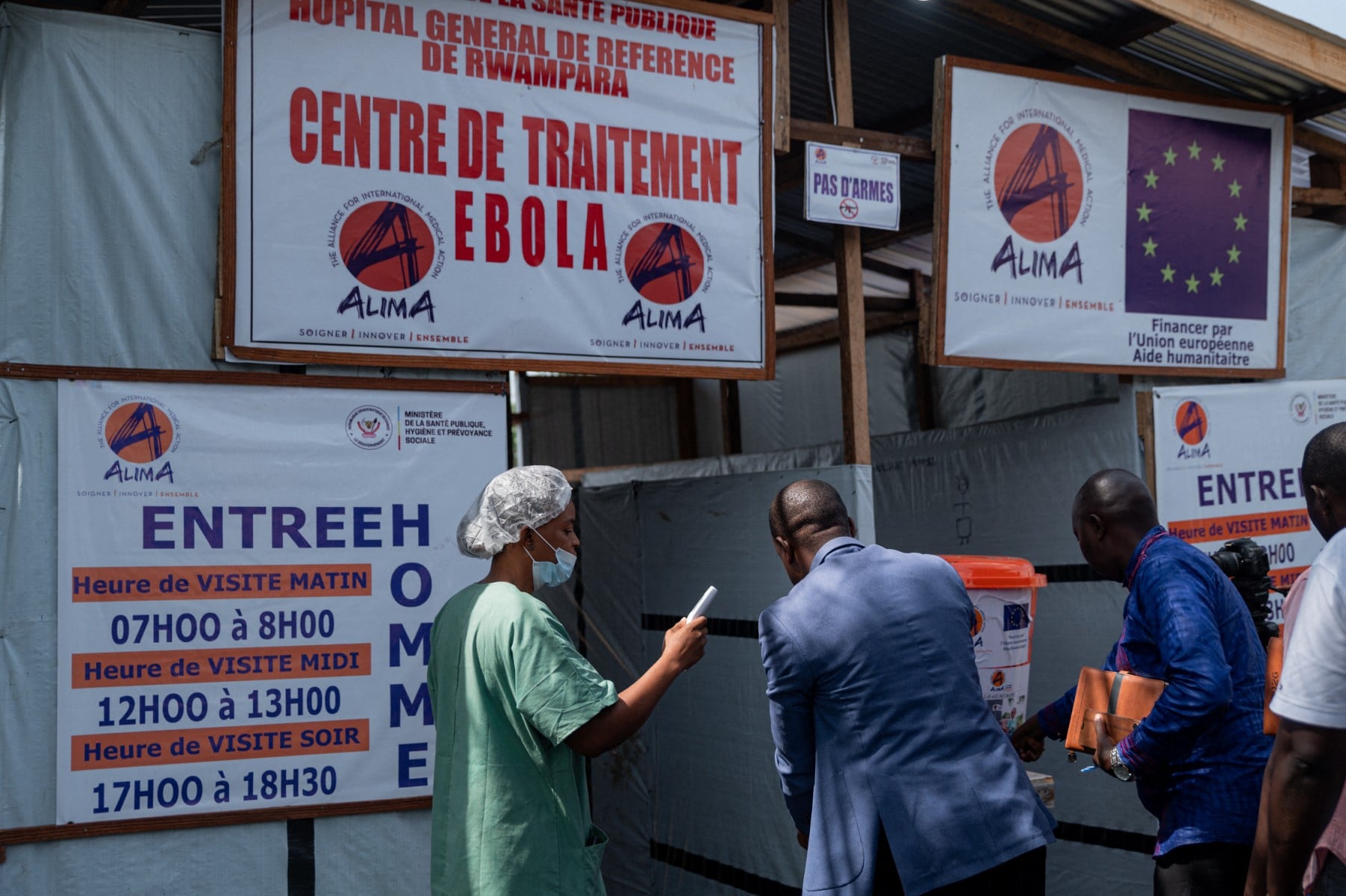 Ebola outbreak in DRC is fastest-growing, kills 600 people