
 Urbanisation reshapes frog communities in Western Ghats, study finds
KillBait - News highlights delivered clearly and responsibly—no clickbait, no sensationalism

Photo: The Hindu
2026-07-12 23:55 Environment 10


Ethanol Policy and Its Impact on Indian Consumers and Farmers
The article critiques India's ethanol-blended fuel policy, highlighting how mandating E20 petrol at higher costs during low oil prices unfairly burdens consumers and farmers.
It argues that the policy, intended to compensate sugarcane farmers, fails to address systemic issues like post-harvest losses and limited market access.The piece emphasizes that sugarcane, a water-intensive crop, is not the most efficient feedstock for ethanol production.It suggests exploring alternatives like maize, millets, sweet sorghum, and agricultural residues for second-generation ethanol to reduce food vs.fuel competition and tackle stubble burning.
The author advocates for subsidies, infrastructure support, and policy integration between agriculture and energy sectors to ensure sustainable and equitable outcomes.
The policy's success hinges on balancing economic, environmental, and social factors while avoiding forced consumer subsidies for lower-mileage fuel.
2186
Original title: Insular incentive: On ethanol-blended fuel and the Indian consumer
The AI system has determined that this news is not clickbait/sensationalist: : The original title is informative and avoids sensationalism by focusing on policy analysis rather than exaggerated claims. This has coincided with the opinion of the majority of users.
You may also be interested in...
Urbanisation reshapes frog communities in Western Ghats, study finds
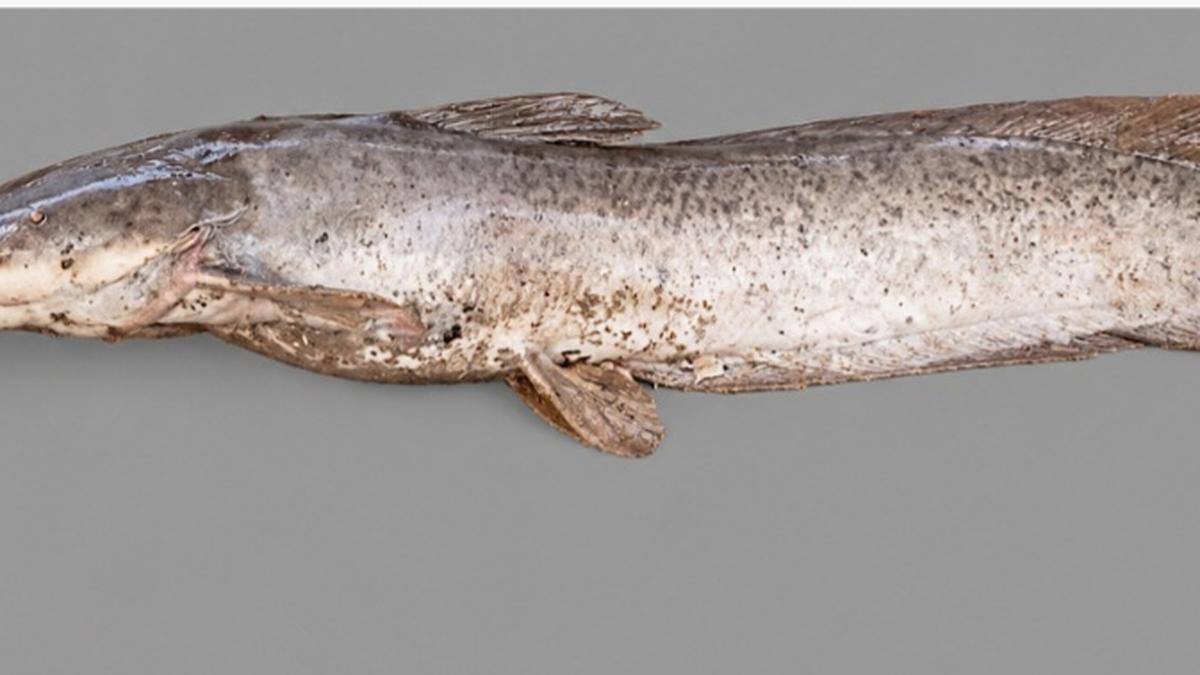 Periyar Tiger Reserve Launches Initiative to Control Invasive African Catfish
 Invasive plants threaten grasslands and wildlife in Manas Tiger Reserve