
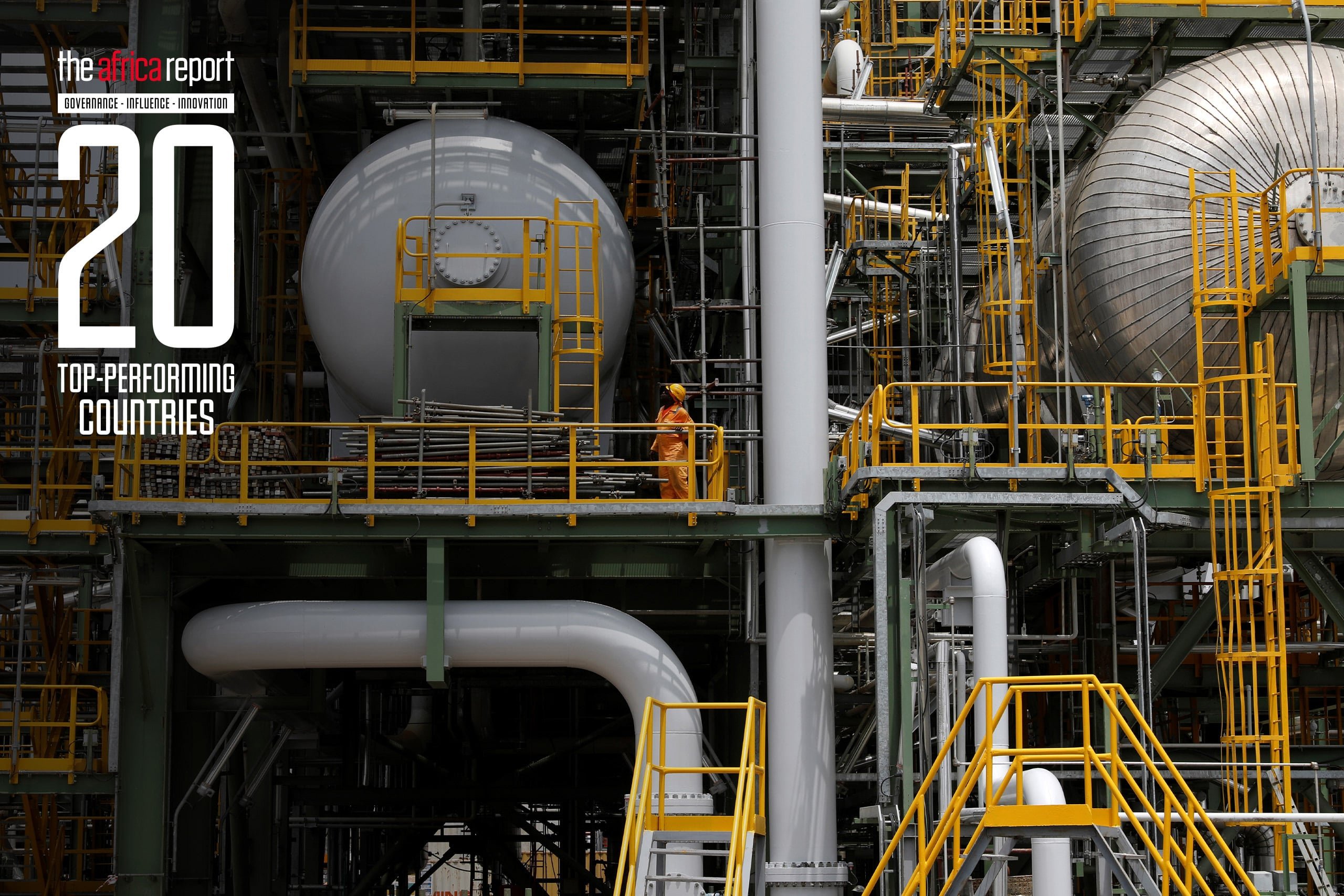
 Nigeria and South Africa Face a Critical Test as Economic Reforms Aim to Restore Growth
KillBait - News highlights delivered clearly and responsibly—no clickbait, no sensationalism

Photo: The Africa Report
2026-06-03 06:25 Economy 10 


Ethiopia Accelerates Economic Reforms Amid Debate Over Risks to Domestic Industries
Ethiopia is going through one of the biggest economic transitions in its recent history as Prime Minister Abiy Ahmed’s government pushes ahead with major liberalisation reforms.
After many years of relying on a state-led development model, the country is opening key sectors of the economy, including foreign exchange, banking, telecommunications and logistics, to greater competition and private-sector participation.
Supporters of the reforms argue that Ethiopia needs fresh investment, improved efficiency and stronger competition to sustain growth and modernise its economy.They believe that attracting foreign capital and expertise could help address long-standing structural challenges and improve economic performance.However, the reforms have also raised concerns among analysts and critics.
They warn that the speed of the liberalisation process may expose domestic businesses, financial institutions and ordinary households to significant economic shocks.
One of the most notable changes has been the move toward a more flexible exchange-rate system for the Ethiopian birr, alongside plans to allow foreign banks greater access to the market and reforms intended to modernise logistics services.Critics argue that local firms may not yet be prepared to compete effectively with stronger international players.
There are also concerns that regulatory institutions may lack the capacity to manage the transition smoothly, potentially leading to instability or increased economic pressure on citizens.
The debate centres not on whether Ethiopia should become more open economically, but on whether the country is implementing reforms at a pace that matches the readiness of its businesses, regulators and consumers.
The article places these developments within a broader assessment of African economic performance, noting that Ethiopia has slipped in recent continental rankings despite its previous reputation as one of Africa’s fastest-growing economies.The success or failure of the current reforms could play a major role in determining Ethiopia’s future economic trajectory.
Full reading at The Africa Report
2187
Original title: Ethiopia’s liberalisation gamble: Is Abiy opening up too fast?
The AI system has determined that this news is not clickbait/sensationalist: : The title accurately reflects the main subject of the article and presents a legitimate policy question about the pace of Ethiopia’s economic liberalisation. It is not highly sensationalist or misleading. This has coincided with the opinion of the majority of users.
You may also be interested in...
Nigeria and South Africa Face a Critical Test as Economic Reforms Aim to Restore Growth
 Rehabilitation of Ludewa–Lumbiji road improves year-round transport and market access in Morogoro
 Tanzania 2026/27 Transport Budget Focuses on SGR Expansion and Regional Logistics Development