
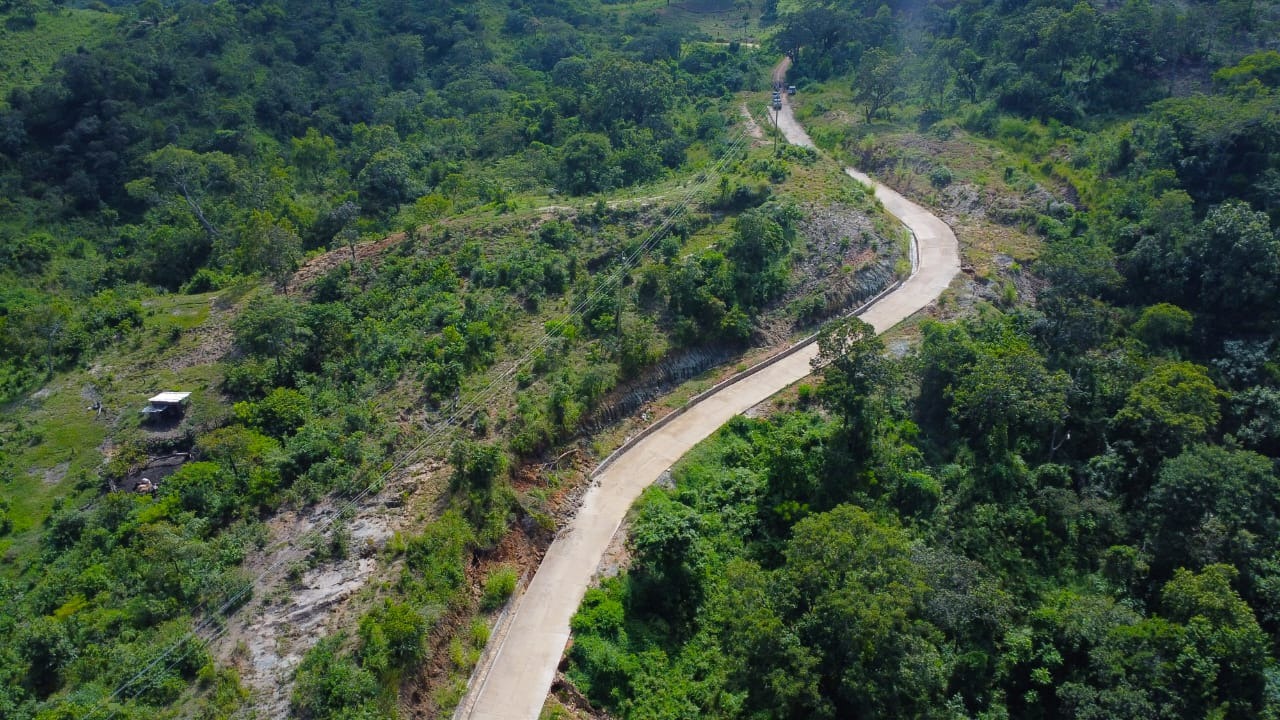
 Rehabilitation of Ludewa–Lumbiji road improves year-round transport and market access in Morogoro
KillBait - News highlights delivered clearly and responsibly—no clickbait, no sensationalism
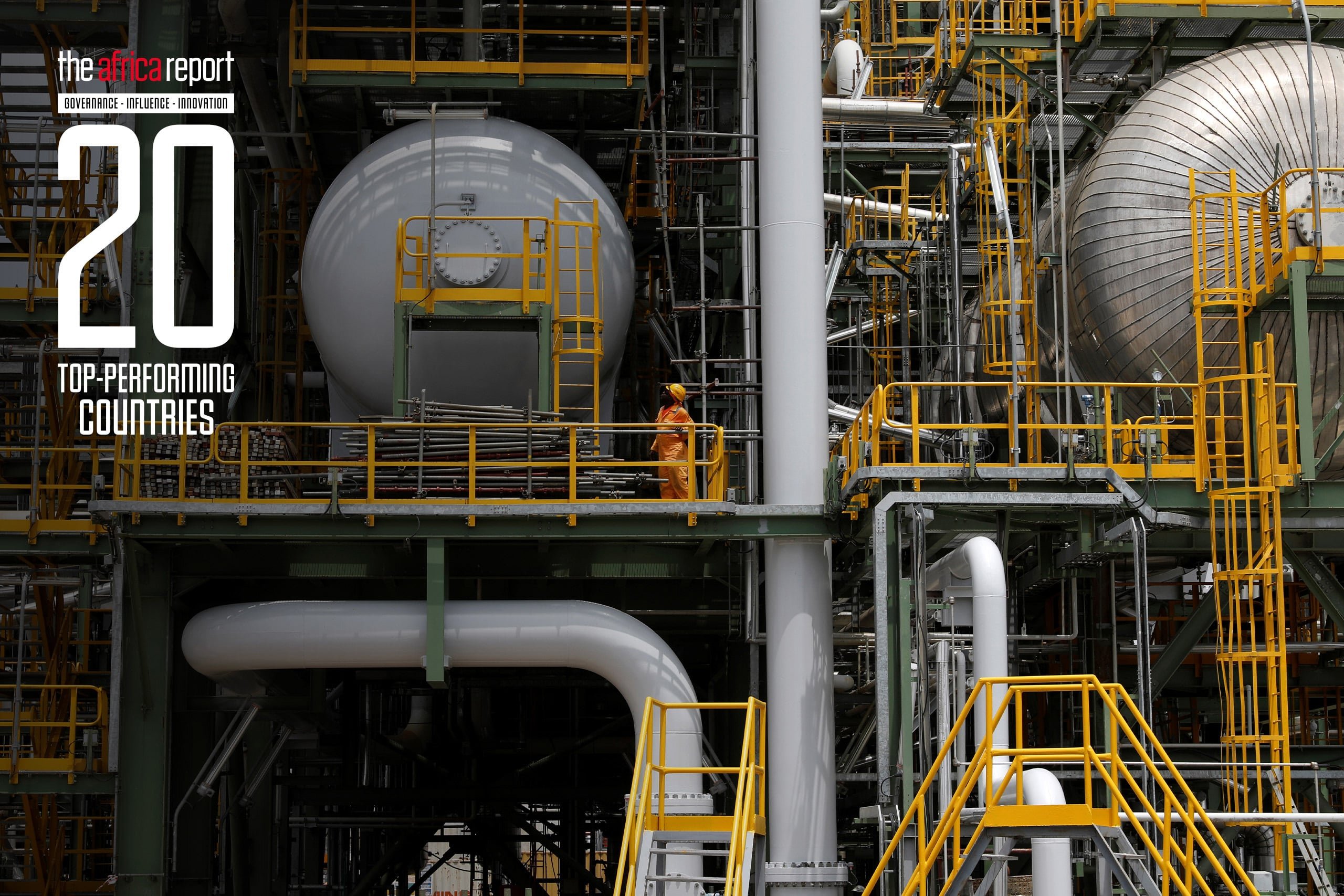
Photo: The Africa Report
2026-06-02 19:45 Economy 10 


Nigeria and South Africa Face a Critical Test as Economic Reforms Aim to Restore Growth
Nigeria and South Africa, the two biggest economies in Africa, are entering an important period as both countries try to recover from years of economic and structural challenges.
For more than a decade, Nigeria struggled with costly fuel subsidies and an inefficient foreign exchange system that weakened economic performance and limited growth.
At the same time, South Africa faced severe infrastructure problems, particularly in electricity generation, ports and rail transport, which reduced productivity and discouraged investment.According to the article, recent reforms in both countries have created renewed optimism that the two economic giants can regain momentum.However, the success of these reforms is far from guaranteed.
Leaders in both nations must transform difficult and often unpopular policy changes into tangible improvements in living standards, employment opportunities and business confidence.The article highlights that political pressures, global economic uncertainty and domestic challenges could still undermine progress.If governments fail to deliver visible benefits to citizens, public support for reform efforts may weaken.External shocks, including fluctuations in global markets and commodity prices, also remain significant risks.The discussion appears within The Africa Report's broader assessment of Africa’s top-performing countries in 2026.
The ranking suggests that major shifts are taking place across the continent, with some countries improving their positions while others have fallen behind.
Within this context, Nigeria and South Africa are viewed as countries with the scale and influence to shape Africa’s economic future, provided they can overcome long-standing structural weaknesses and maintain reform momentum.
Full reading at The Africa Report
2186
Original title: The giants awaken: Can Nigeria and South Africa outrun their own shadows?
The AI system has determined that this news is not clickbait/sensationalist: : The title uses a metaphorical style but accurately reflects the article's focus on the economic recovery and reform efforts of Nigeria and South Africa. It does not make exaggerated claims or promise information that is not delivered in the article. This has coincided with the opinion of the majority of users.
You may also be interested in...
Rehabilitation of Ludewa–Lumbiji road improves year-round transport and market access in Morogoro
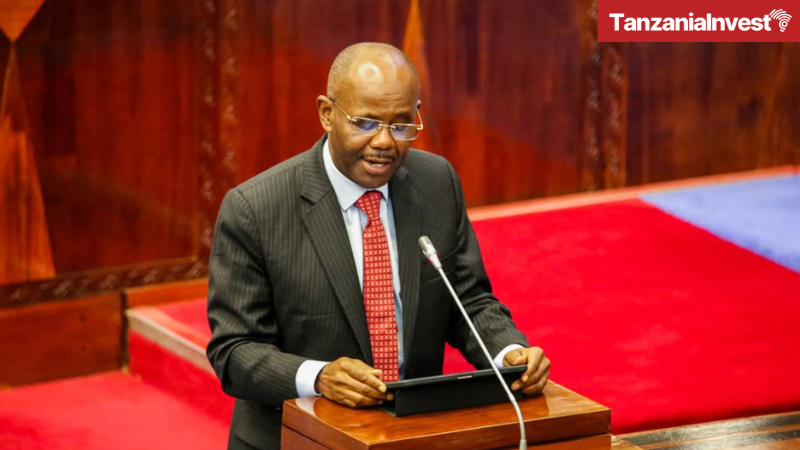 Tanzania 2026/27 Transport Budget Focuses on SGR Expansion and Regional Logistics Development
 Tanzania Approves Key Frameworks to Launch Vision 2050