
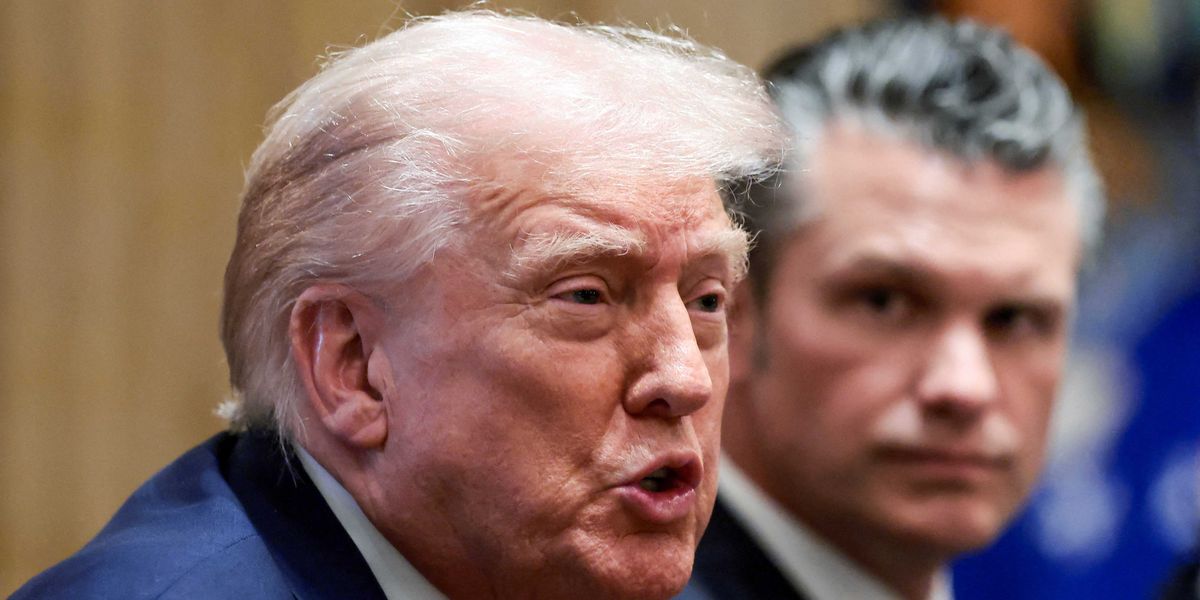
 Report Claims Trump Has Limited Public Appearances Amid Strained Iran Negotiations and Policy Criticism
KillBait - News highlights delivered clearly and responsibly—no clickbait, no sensationalism
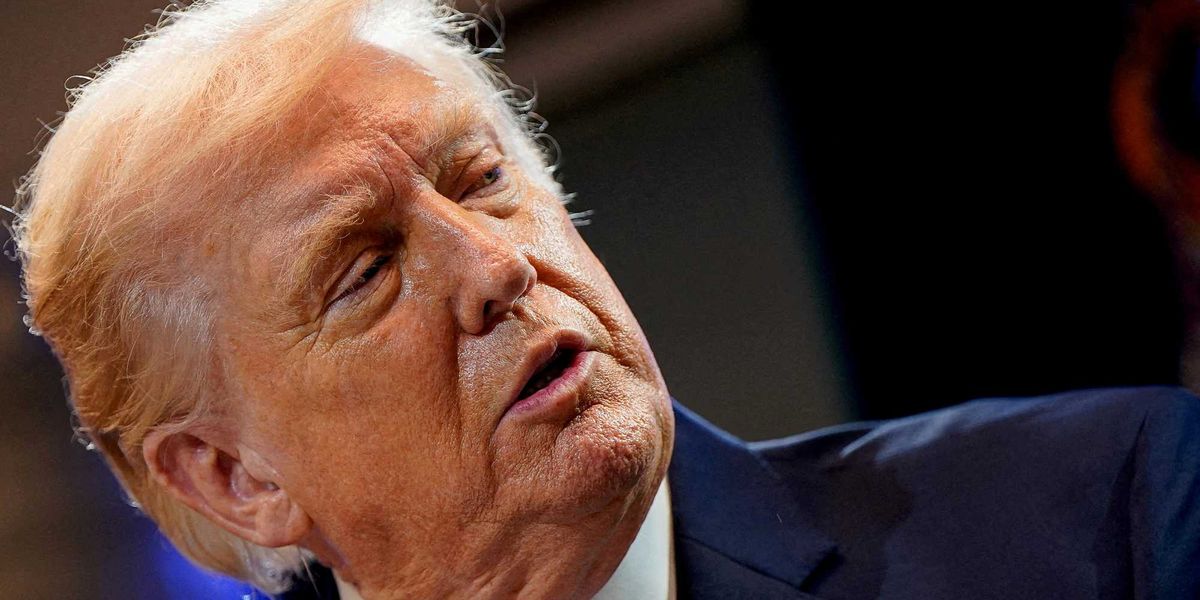
Photo: Raw Story - Celebrating 20 Years of Independent Journalism
2026-05-27 14:38 Geopolitics 37 


Expert warns Trump’s Iran strategy and Abraham Accords proposal may strengthen Iran’s geopolitical leverage
The article examines criticism from columnist Tom Friedman regarding former President Donald Trump’s recent approach to Iran and Middle East diplomacy.
According to Friedman, Trump’s strategy—combining military pressure on Iran with diplomatic expectations tied to the Abraham Accords—has unintentionally strengthened Iran’s strategic position rather than weakening it.Friedman argues that U.S.and Israeli assumptions about quickly forcing Iran to abandon its nuclear ambitions were overly optimistic and based on flawed expectations of regime collapse.
Instead, he claims Iran has learned to leverage asymmetrical tools such as low-cost drones and disruption tactics that could threaten critical global infrastructure, including the Strait of Hormuz, a key oil transit chokepoint.
The article highlights concerns that Iran now recognizes its ability to exert pressure on global energy markets, giving it long-term leverage in future conflicts or negotiations.
Friedman also criticizes Trump’s recent Truth Social post, in which the former president urged Middle Eastern countries to join or expand the Abraham Accords and even suggested the possibility of Iran joining.The columnist describes this idea as unrealistic given the deep ideological and political hostility between Iran and Israel.He argues that proposing such a framework without expert consultation reflects a lack of strategic coherence and raises concerns among U.S.allies about American leadership reliability.
Overall, the piece portrays Friedman’s view that Trump’s approach may be diplomatically disconnected from regional realities and could destabilize rather than resolve tensions.It suggests that miscalculations in U.S.policy toward Iran risk empowering Tehran with new forms of influence while undermining trust among allies in the Middle East.
Full reading at Raw Story - Celebrating 20 Years of Independent Journalism
2456
Original title: 'Truly unstable' Trump's new 'unhinged' proposal gave Iran the upper hand: expert
The AI system has determined that this news is clickbait/sensationalist: : The original title uses highly charged and subjective language such as 'truly unstable' and 'unhinged,' which are emotionally loaded terms intended to provoke attention and reinforce a particular interpretation of political behavior rather than neutrally describe the event. This has coincided with the opinion of the majority of users.
You may also be interested in...
Report Claims Trump Has Limited Public Appearances Amid Strained Iran Negotiations and Policy Criticism
 Wall Street Journal Criticizes Trump’s Approach to Iran and Lebanon Ceasefire
 Concerns Over Escalation Pathways and Nuclear Risk in U.S. Policy Toward Iran