
 Government works on clarifying exemptions under proposed capital gains tax reforms
KillBait - News highlights delivered clearly and responsibly—no clickbait, no sensationalism
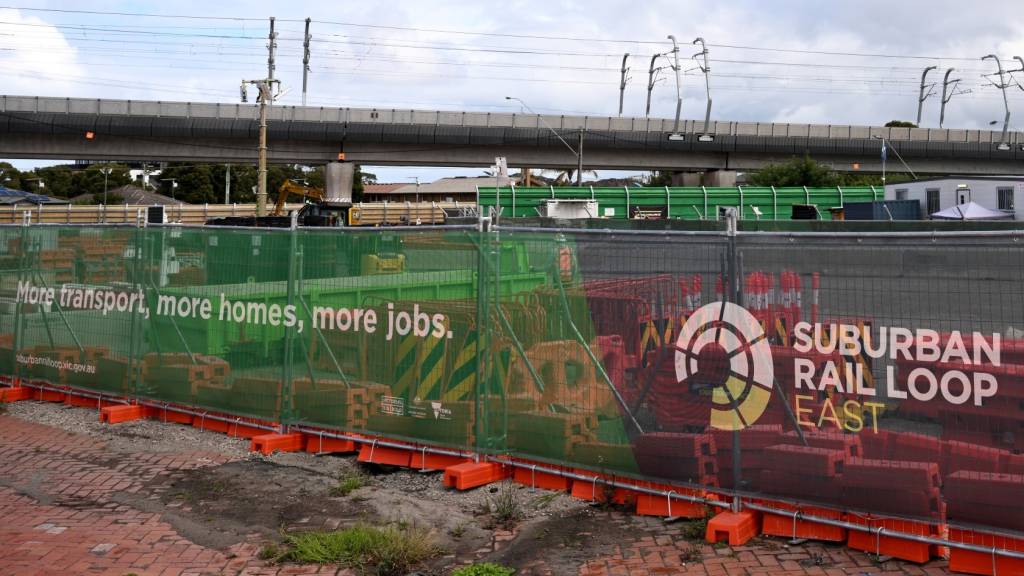
Photo: Crikey
2026-05-25 03:42 Economy 13 


Experts call for major reforms to reduce infrastructure cost blowouts in Australia
Australia continues to struggle with delivering major infrastructure projects on time and within budget, according to the article by Dominic D Ahiaga-Dagbui.
The piece argues that repeated cost overruns in large public projects are not isolated incidents but the result of systemic problems in the country’s infrastructure planning and delivery processes.
A recent Deloitte review found that 13 publicly funded road, rail and energy projects exceeded their original budgets by a combined $130 billion, highlighting the scale of the issue.One of the clearest examples mentioned is Snowy Hydro 2.0, a renewable energy and hydroelectric expansion project initially expected to cost $2 billion and be completed by 2021.The project remains unfinished, with estimates suggesting costs could rise to as much as $22 billion.The article uses this case to demonstrate how inaccurate forecasting, poor governance and political pressures can undermine major developments.The author argues that Australia requires three significant reforms to improve outcomes for future megaprojects.
These include improving the accuracy and transparency of early cost estimates, strengthening governance and accountability during project delivery, and adopting more realistic risk management practices.The article suggests governments often approve projects too quickly for political reasons, despite incomplete planning and unrealistic budgets.
The analysis concludes that without structural reform, Australian taxpayers will continue to bear the financial burden of repeated infrastructure failures across transport and renewable energy sectors.
2244
Original title: To avoid future road, rail and renewable blowouts, Australia needs these three big fixes
The AI system has determined that this news is not clickbait/sensationalist: : The title is informative and directly reflects the article’s subject about infrastructure cost overruns and proposed reforms. It does not rely on exaggerated or misleading language. This has coincided with the opinion of the majority of users.
You may also be interested in...
Government works on clarifying exemptions under proposed capital gains tax reforms
 Foreign LNG investors oppose proposed domestic gas supply obligations under Australian reservation scheme
 Falling House Prices Fail to Offset Declining Borrowing Power for Australian Home Buyers