
 Fair Work Commission increases minimum wage by 4.75% following annual review amid economic pressures
KillBait - News highlights delivered clearly and responsibly—no clickbait, no sensationalism
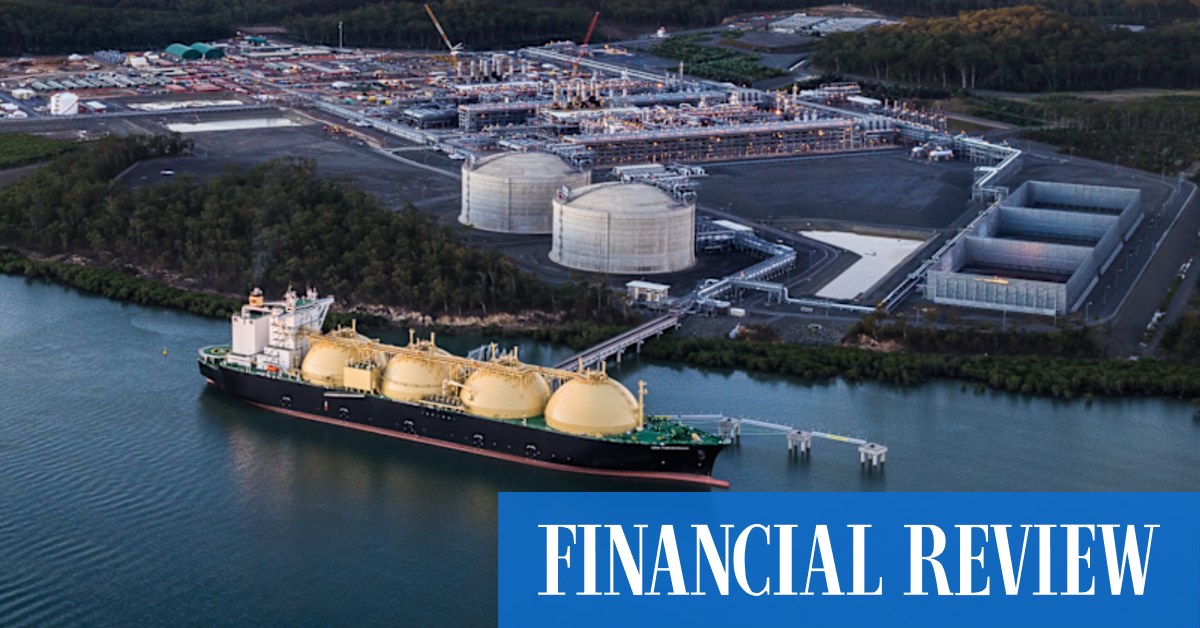
Photo: Australian Financial Review
2026-05-31 16:20 Economy 12 


Foreign LNG investors oppose proposed domestic gas supply obligations under Australian reservation scheme
Major foreign oil and gas companies operating in Queensland’s liquefied natural gas (LNG) export sector have expressed strong opposition to a proposed Australian government policy that could require them to supply gas directly to the domestic market.
Under the Albanese government’s developing domestic gas reservation scheme, international investors such as Korea Gas Corporation, Sinopec, and TotalEnergies may be individually compelled to allocate portions of their production to Australian customers.
The proposal forms part of broader efforts to address domestic gas affordability and security concerns, particularly as Australia balances its role as a major global LNG exporter with rising local energy demand pressures.
However, industry sources indicate the plan has created significant tension between the government and overseas stakeholders who have invested heavily in Queensland’s LNG infrastructure, valued at around $80 billion.
According to reports, these companies are alarmed by the prospect of mandatory supply obligations being imposed at an individual operator level rather than through a more flexible market-based mechanism.
Industry participants argue that such intervention could undermine investment certainty, distort contractual export commitments, and potentially affect Australia’s reputation as a stable destination for large-scale energy investment.
Consultation on the policy is ongoing, and discussions are expected to intensify as stakeholders assess the potential operational and commercial impacts.
The debate highlights the broader policy challenge facing Australia: ensuring adequate and affordable domestic gas supply while maintaining the confidence of international partners who underpin the country’s LNG export earnings and energy infrastructure development.
Full reading at Australian Financial Review
2226
Original title: Overseas gas giants ‘appalled’ by forced supply under Albanese plan
The AI system has determined that this news is not clickbait/sensationalist: : The original title uses emotive language ('appalled'), but it accurately reflects stakeholder reaction reported in the article and is standard for financial journalism rather than sensational clickbait. This has coincided with the opinion of the majority of users.
You may also be interested in...
Fair Work Commission increases minimum wage by 4.75% following annual review amid economic pressures
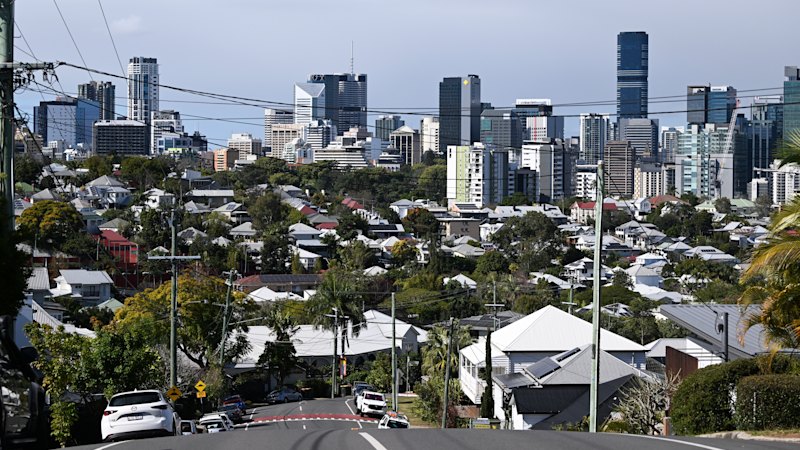 Brisbane property prices continue rising as market momentum slows amid supply shortages and affordability pressures
 Experts warn Brisbane housing market may face increased downside risks amid tax changes and weaker buyer demand