
 Bain Capital submits non-binding takeover proposal for oOh!media amid growing private equity interest
KillBait - News highlights delivered clearly and responsibly—no clickbait, no sensationalism
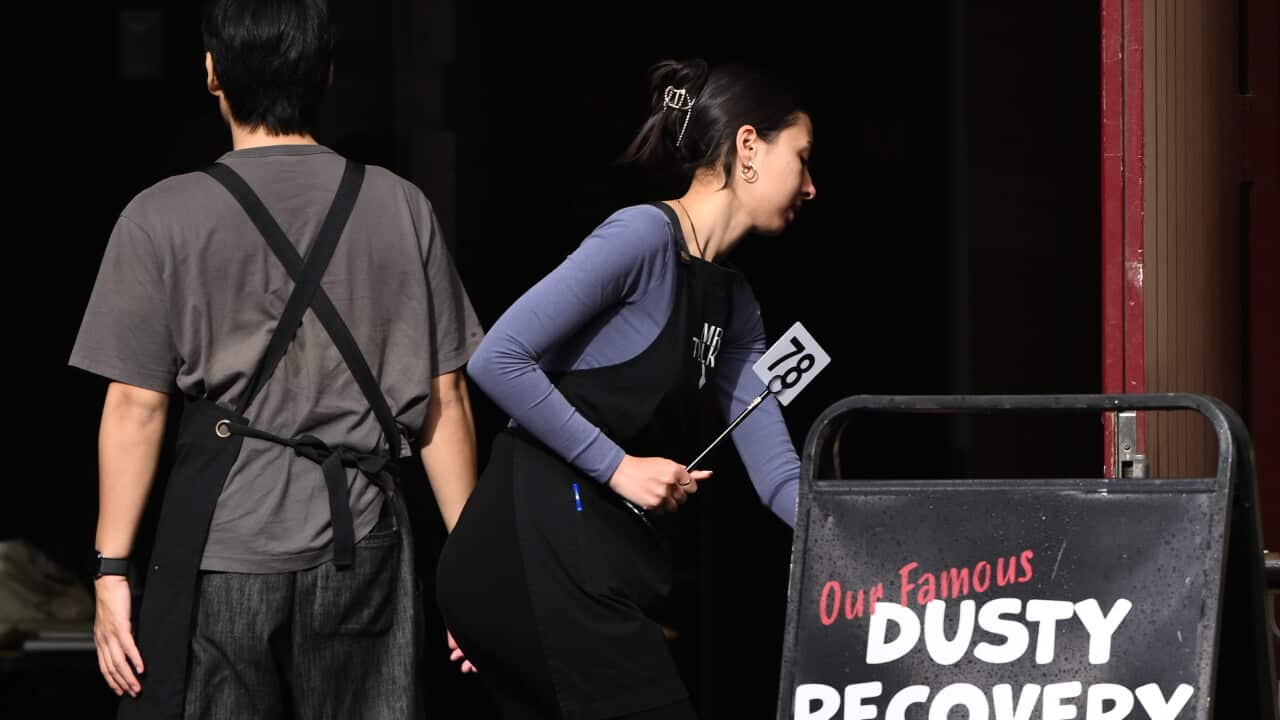
Photo: SBS Australia
2026-06-02 13:25 Economy 39 


Fair Work Commission increases minimum wage by 4.75% following annual review amid economic pressures
The Fair Work Commission has announced a 4.75 per cent increase to Australia's minimum wages following its annual wage review, delivering a rise that will affect around three million workers from 1 July 2026.The decision lifts the national minimum hourly rate to approximately 26.44 dollars, with weekly earnings for the lowest-paid workers under modern awards rising to about 1004.90 dollars.
The commission described the decision as difficult, citing complex economic conditions including inflation pressures and global uncertainty linked in part to the conflict in the Middle East.The increase exceeds recent inflation figures reported at 4.
2 per cent but falls short of the 6 per cent rise sought by unions, who argued stronger growth was needed to restore lost purchasing power and help workers meet living costs.Employers, by contrast, had pushed for a 3.9 per cent increase, warning that higher wage growth could place further strain on businesses already facing challenging trading conditions.
Fair Work Commission president Adam Hatcher acknowledged that while last year’s decision narrowed the real wage gap, rising inflation had widened it again.He noted that closing the gap entirely would require increases above 5 per cent, which he said would not be practical under current conditions.
The federal government, represented by Treasurer Jim Chalmers, supported the outcome, arguing that the rise still constitutes a real wage increase when compared with inflation and budget forecasts.
The Australian Council of Trade Unions welcomed the decision as a positive step above inflation, although it maintained that a higher rise would have been preferable.Employer groups warned the increase could force businesses to pass costs onto consumers or reduce investment and staffing.
Overall, the decision reflects an attempt to balance wage growth with broader economic stability, highlighting ongoing tensions between worker advocacy groups and employer organisations over the direction of wage policy in Australia.
2467
Original title: Wage umpire's 'regret' over minimum pay rise as unions cheer, employers cry foul
The AI system has determined that this news is clickbait/sensationalist: : The original title is clickbait because it leads with an unrelated promotional line about watching the FIFA World Cup 2026, which is not connected to the wage decision story, and mixes it with emotionally charged framing of unions and employers, reducing clarity and accuracy. This has coincided with the opinion of the majority of users.
You may also be interested in...
Bain Capital submits non-binding takeover proposal for oOh!media amid growing private equity interest
 How 1980s Toy Franchises Created the Modern Transmedia Entertainment Business
 Fugitive wanted over 1999 Sydney nightclub stabbing arrested in Greece after 27 years