
 Blue Origin Rocket Explosion Expected to Delay NASA Moon Base Timeline by at Least One Year
KillBait - News highlights delivered clearly and responsibly—no clickbait, no sensationalism
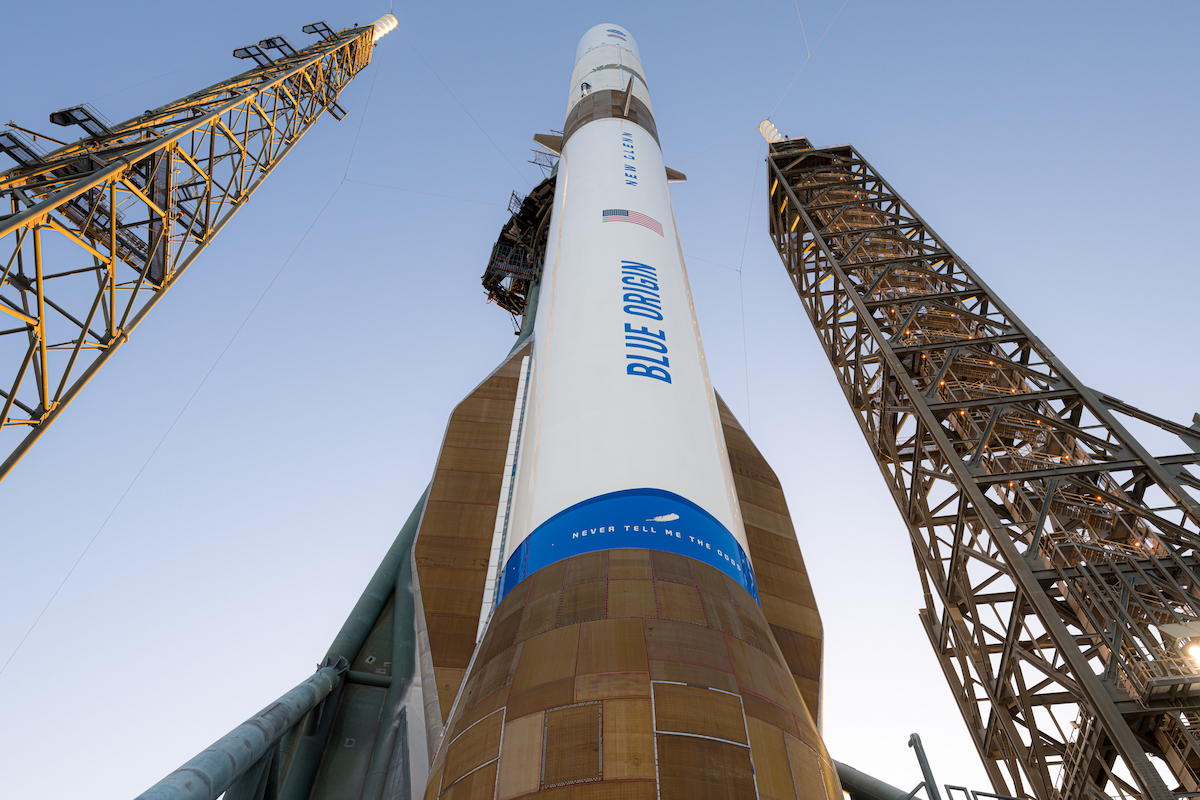
Photo: TechCrunch
2026-05-24 06:33 Astronomy 15 


FAA clears Blue Origin’s New Glenn rocket to resume flights after upper-stage anomaly
Blue Origin’s New Glenn rocket has been cleared to return to flight following a brief grounding triggered by a failure during its April launch.According to the Federal Aviation Administration (FAA), the company is now permitted to resume operations after reviewing the incident and submitting a corrective action report.The issue occurred during New Glenn’s third flight, when the upper stage experienced what Blue Origin described as an “off-nominal thermal condition.” This anomaly affected one of the vehicle’s three engines, causing it to generate lower-than-expected thrust.As a result, the mission’s payload, an AST SpaceMobile satellite, failed to reach orbit and was instead lost after burning up in Earth’s atmosphere.AST SpaceMobile later confirmed that insurance covered the cost of the satellite.Despite the upper-stage failure, other aspects of the mission were successful.
Blue Origin achieved a milestone by successfully reusing and landing the New Glenn booster for the second time, marking progress in its reusable rocket program.The booster was recovered on a drone ship in the ocean, demonstrating continued advancement in the company’s recovery capabilities.Following the anomaly, Blue Origin submitted a report to the FAA and implemented unspecified corrective measures aimed at preventing a recurrence.The FAA’s decision to lift the grounding now allows the company to resume its launch schedule, which is expected to be ambitious.
Blue Origin has previously stated its goal of conducting up to 12 New Glenn launches by the end of 2026, though the temporary pause may affect timing.The company did not disclose detailed technical fixes, and the extent of the investigation’s findings has not been fully made public.Nevertheless, the clearance signals regulatory confidence that the identified issues have been addressed sufficiently for continued operation.
The incident highlights both the challenges of developing heavy-lift reusable launch systems and the competitive pace of the commercial space industry, where companies like Blue Origin and SpaceX are rapidly iterating new rocket technologies.
2273
Original title: Blue Origin cleared to fly New Glenn mega-rocket after April mishap
The AI system has determined that this news is not clickbait/sensationalist: : The title is factual and directly describes the FAA clearance and the rocket involved without exaggerated or sensational wording beyond standard tech journalism. This has coincided with the opinion of the majority of users.
You may also be interested in...
Blue Origin Rocket Explosion Expected to Delay NASA Moon Base Timeline by at Least One Year
 Fourth New Glenn Rocket Destroyed in Static Fire Test at Cape Canaveral
 Shenzhou 22 Returns to Earth Carrying Shenzhou 21 Crew After Extended Tiangong Mission