
 Blue Origin Rocket Explosion Expected to Delay NASA Moon Base Timeline by at Least One Year
KillBait - News highlights delivered clearly and responsibly—no clickbait, no sensationalism
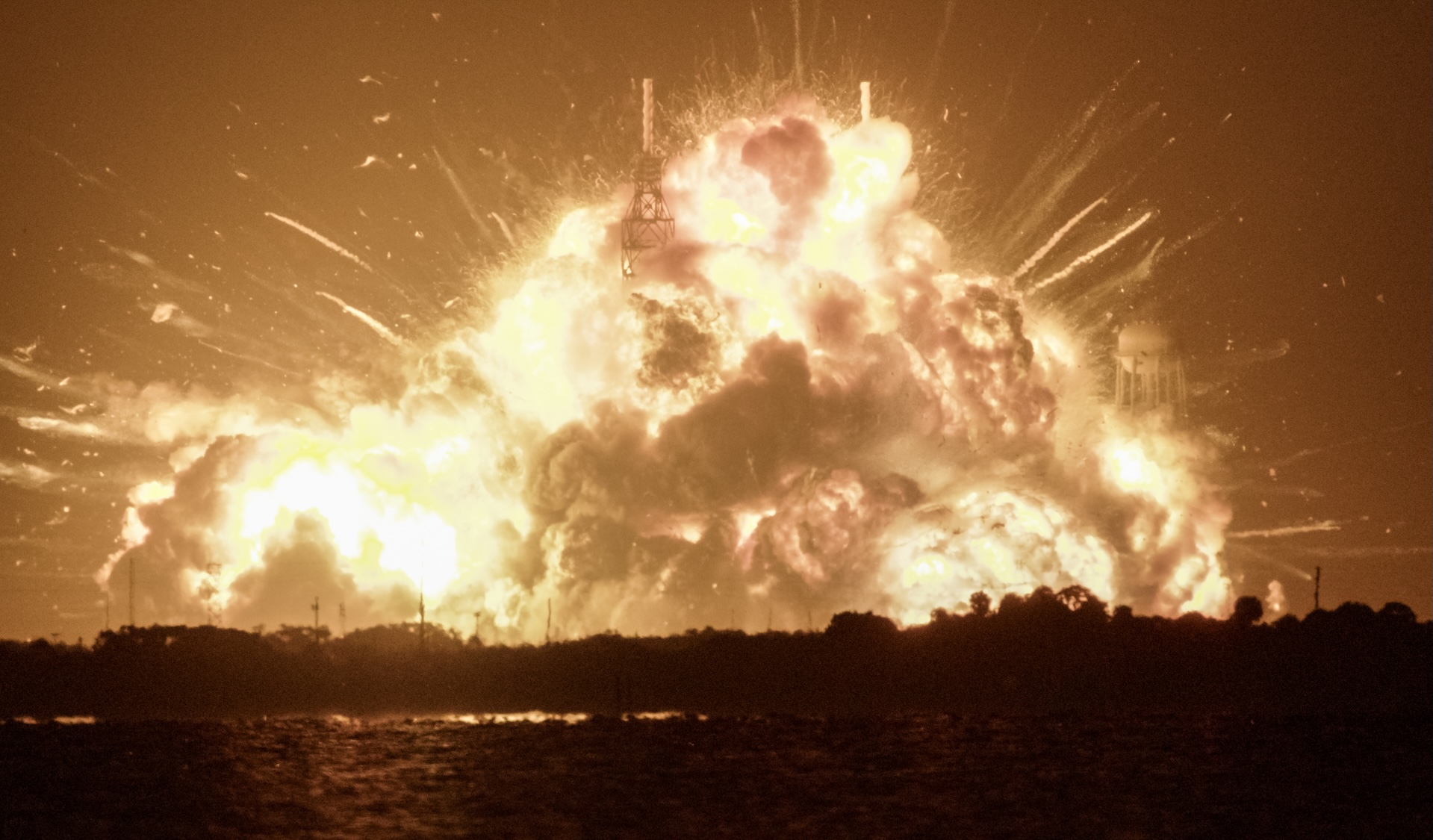
Photo: Eureka
2026-05-30 03:15 Astronomy 62 


Fourth New Glenn Rocket Destroyed in Static Fire Test at Cape Canaveral
On May 29, 2026, during a scheduled static fire test at Cape Canaveral's SLC-36, Blue Origin's New Glenn rocket NG-4 suffered a catastrophic explosion immediately after ignition of its seven BE-4 engines.The explosion destroyed the first stage, severely damaged both service towers, and completely destroyed the transport erector.Fortunately, no personnel were injured, and the payload of 48 Amazon Leo satellites was not installed at the time.The incident adds to the challenges facing Blue Origin, following a previous mission failure where the second stage malfunctioned.
This explosion jeopardizes upcoming NASA lunar missions, including the Blue Moon Mark 1 and VIPER rover launches, and could impact the timeline for the crewed Blue Moon Mark 2 mission.
Although the FAA will not investigate due to the incident not being an actual launch, repairing the pad will take significant time, as SLC-36 is the sole New Glenn launch facility.
Historical context shows that large rocket explosions during static fire tests are rare but have occurred, such as the Falcon 9 SLC-40 incident in 2016 and the Soviet N1 lunar rocket in 1969.The aerospace community will closely monitor Blue Origin's recovery efforts, which are expected to be lengthy.
2560
Original title: Explosión del cuarto cohete New Glenn en la rampa de lanzamiento
The AI system has determined that this news is not clickbait/sensationalist: : The original title is straightforward and factual, directly describing the incident without exaggeration or sensationalist language. This has coincided with the opinion of the majority of users.
Comments :
You may also be interested in...
Blue Origin Rocket Explosion Expected to Delay NASA Moon Base Timeline by at Least One Year
 NASA Ends MAVEN Mission After Loss of Contact With Mars Orbiter Following 11 Years of Scientific Operations
 Angrite Meteorite NWA 12774 Reveals Evidence of a Large Protoplanet in the Early Solar System
#1 clymenemew
Figures. These space companies, throwing money around, always end up blowing things up. Just another waste of taxpayer dollars, I tell ya.
#2 mintgreen
Taxpayer $$ goin' up in flames again. These private space ventures need way more accountability. Hope Blue Origin figures it out, but this whole thing feels sus. Big oof for lunar missions, too. Need transparency, stat.