
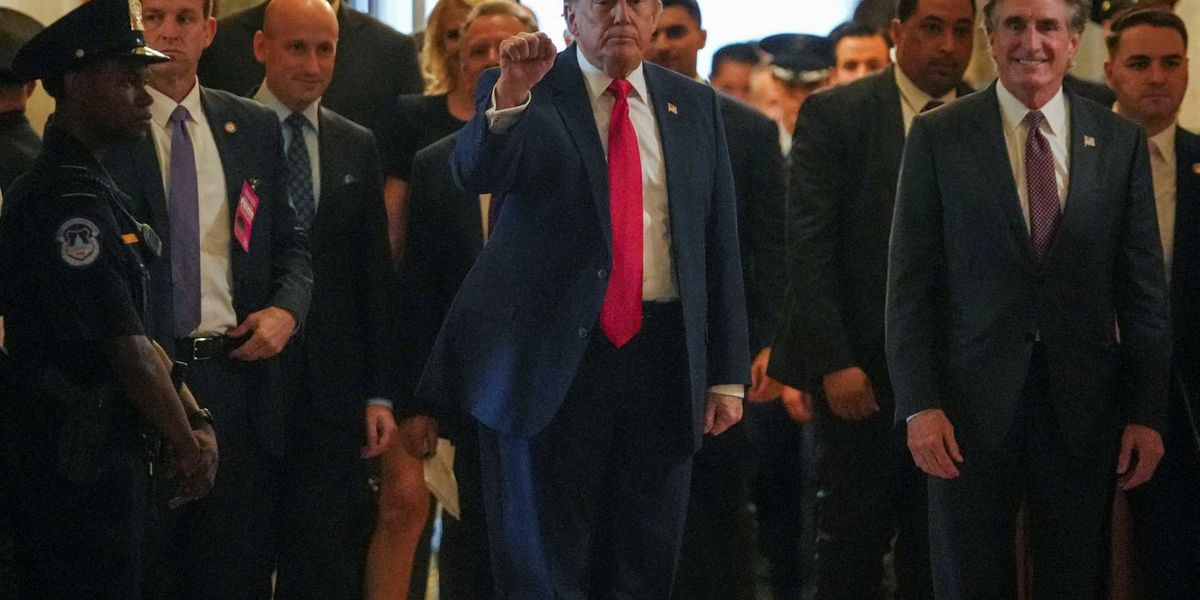
 Analysis argues White House Smithsonian report echoes historical defenses of the Chinese Exclusion Act
KillBait - News highlights delivered clearly and responsibly—no clickbait, no sensationalism
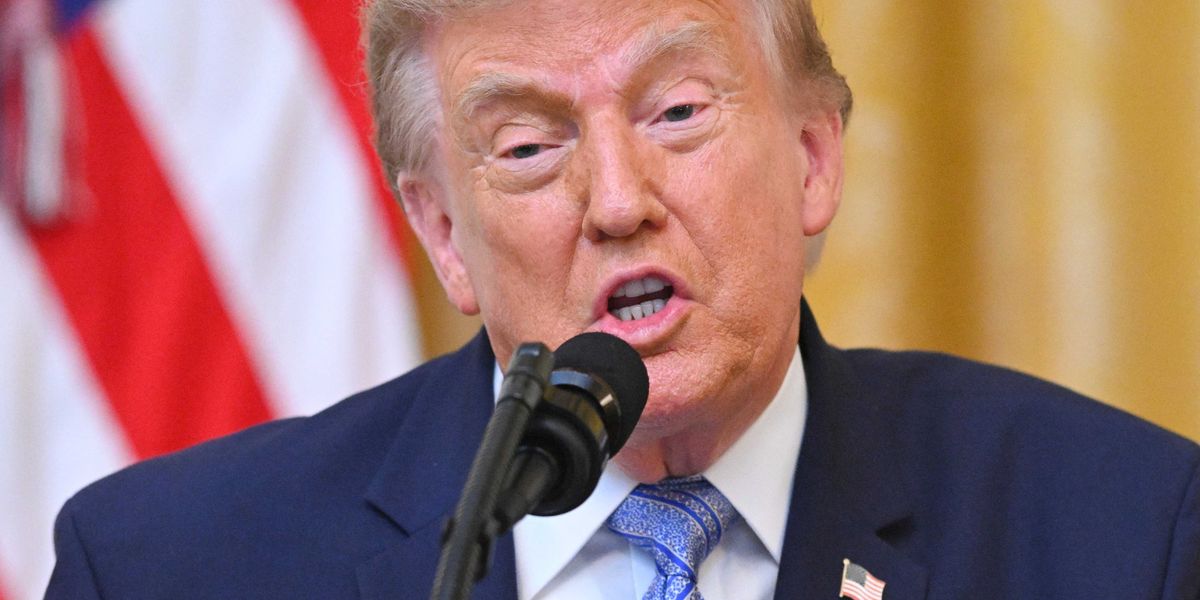
Photo: Raw Story - Celebrating 20 Years of Independent Journalism
2026-07-17 21:06 Politics 12


FCC Commissioner Defends Broadcasters After Trump Demands License Revocation
President Donald Trump faced backlash from FCC Commissioner Anna Gomez after he demanded the Federal Communications Commission revoke the broadcast licenses of ABC and NBC for refusing to air his primetime address.
Gomez, the sole Democratic commissioner on the FCC, criticized Trump's request as a 'naked attempt to bully broadcasters' and emphasized that the FCC has no authority to punish stations for editorial decisions.
She argued that the networks' refusal to carry the speech was a legitimate exercise of First Amendment rights, noting that the content remained accessible online.Trump used his address to promote his SAVE America Act, discuss claims about Chinese election interference, and accuse ABC and NBC of political bias.
Media analysts and journalists weighed in on Gomez's comments, with some highlighting historical precedents where networks have declined to air speeches from former presidents like Barack Obama and Joe Biden.
The incident underscores ongoing tensions between media outlets and political figures over editorial independence and the role of broadcast regulations.
Critics argue that Trump's public pressure on the FCC reflects broader concerns about executive overreach in media governance, while supporters defend his right to criticize perceived censorship.The controversy highlights the complex interplay between free speech, journalistic autonomy, and regulatory oversight in the digital age.
Full reading at Raw Story - Celebrating 20 Years of Independent Journalism
2224
Original title: Raging Trump smacked with 'brutal' response after demanding networks lose licenses
The AI system has determined that this news is clickbait/sensationalist: : The original title uses hyperbolic language like 'brutal' and 'smacked' to sensationalize the conflict, which is more attention-grabbing than factual. This has coincided with the opinion of the majority of users.
You may also be interested in...
Analysis argues White House Smithsonian report echoes historical defenses of the Chinese Exclusion Act
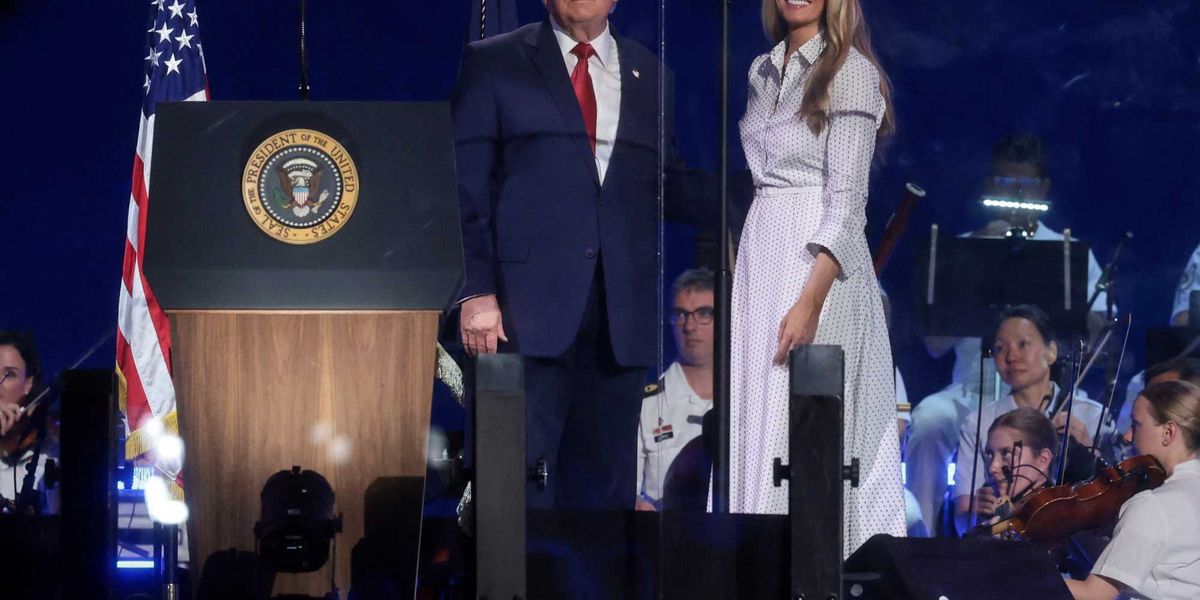 Melania Trump Laughs as Trump Promises to Keep Family Secrets
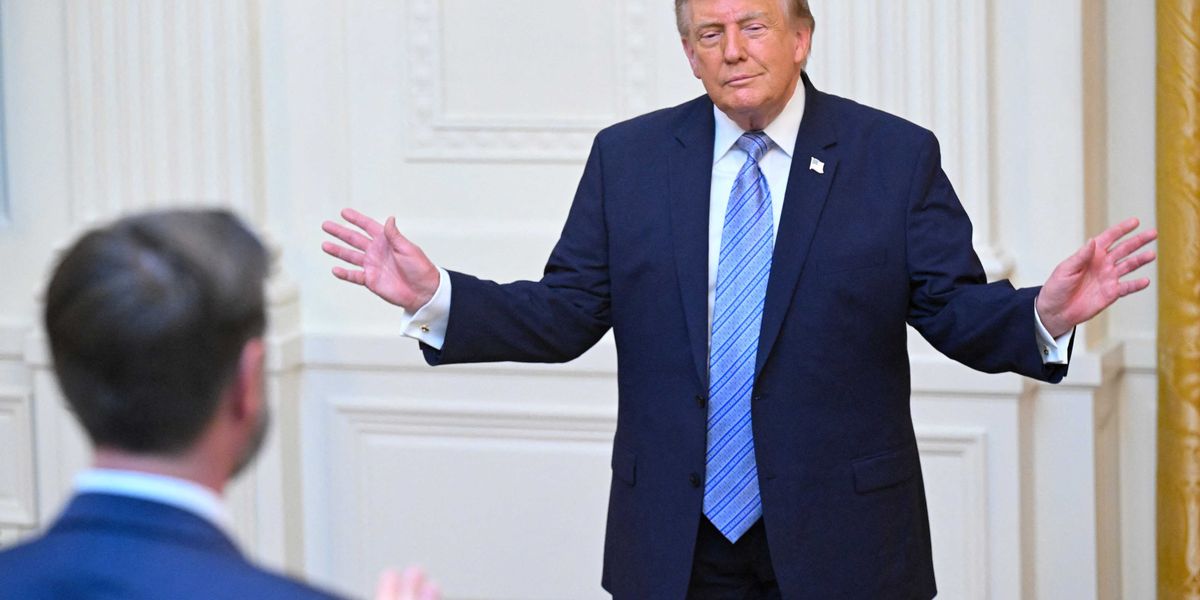 Trump's Primetime Speech Sparks Outcry Over Election Claims Amid National Crises