
 Atiku calls for transparency on ₦501 billion power sector bond beneficiaries
KillBait - News highlights delivered clearly and responsibly—no clickbait, no sensationalism
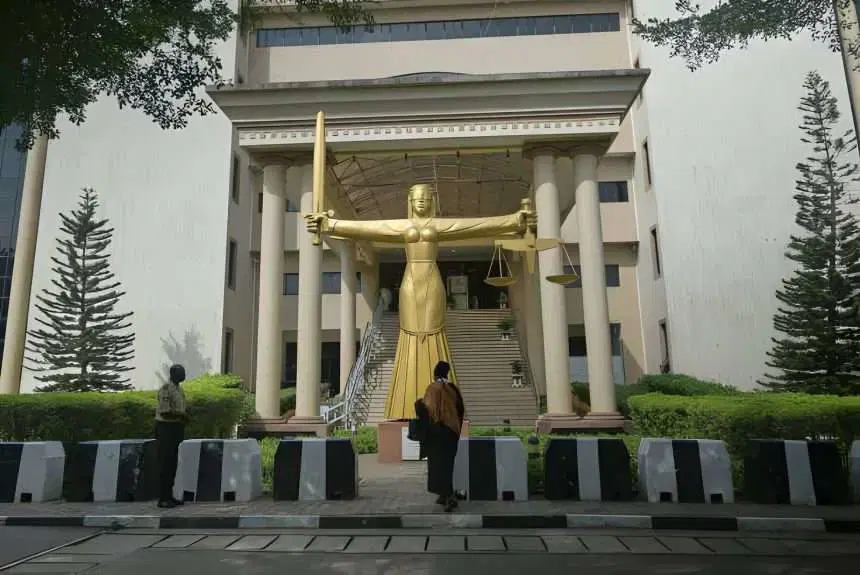
Photo: Vanguard News
2026-07-02 15:16 Politics 11 


Federal High Court introduces weekend filing system for pre-election cases ahead of 2027 elections
The Federal High Court (FHC) in Nigeria has introduced a new Practice Direction that allows the filing of pre-election cases on weekends and public holidays as part of efforts to fast-track electoral dispute resolution ahead of the 2027 general elections.Under the directive issued by the Chief Judge, Justice John Tsoho, court registries across all judicial divisions will now open between 10 a.m.and 2 p.m.on Saturdays, Sundays, and public holidays, but strictly for pre-election matters.
This move comes as courts continue to struggle with a heavy backlog of election-related litigation, with some judges reportedly handling over 1,000 pending cases.
The decision follows concerns raised by the Chief Justice of Nigeria, Justice Kudirat Kekere-Ekun, who recently highlighted the need for improved case management and faster delivery of justice to strengthen public trust in the judiciary.
The directive also aligns with constitutional provisions requiring pre-election cases to be concluded within 180 days of filing under the Electoral Act and the 1999 Constitution.The new rules emphasize speed and efficiency, mandating strict timelines for filing responses, counter-affidavits, and written addresses.It also limits adjournments, encourages electronic service of court processes, and supports virtual hearings where necessary.Judges are expected to prioritize pre-election cases, ensure quick scheduling of hearings, and reduce delays caused by interlocutory applications.
Additionally, the practice direction requires that all disputes challenging party primaries or electoral processes include all relevant parties to ensure proper adjudication.It also gives the Chief Judge authority to assign judges across divisions or transfer cases where necessary.Importantly, the directive is not retroactive and will only apply to new cases.
Legal stakeholders, including the Body of Senior Advocates of Nigeria, have long called for reforms to address congestion in election-related litigation.
The new measures are seen as part of broader judicial reforms aimed at improving efficiency, reducing backlog, and ensuring timely resolution of politically sensitive cases as the 2027 elections approach.
2209
Original title: 2027 Polls: FHC approves filing of cases on weekends, public holidays
The AI system has determined that this news is not clickbait/sensationalist: : The original title is straightforward and factual, clearly stating the subject matter without exaggeration, emotional manipulation, or sensational wording, so it is not considered clickbait. This has coincided with the opinion of the majority of users.
You may also be interested in...
Atiku calls for transparency on ₦501 billion power sector bond beneficiaries
 Nigeria’s economic reforms boost markets but increase political pressure on President Tinubu
 SERAP Demands Investigation Into N6.3bn Constituency Project Funds or Legal Action Against National Assembly Leaders